
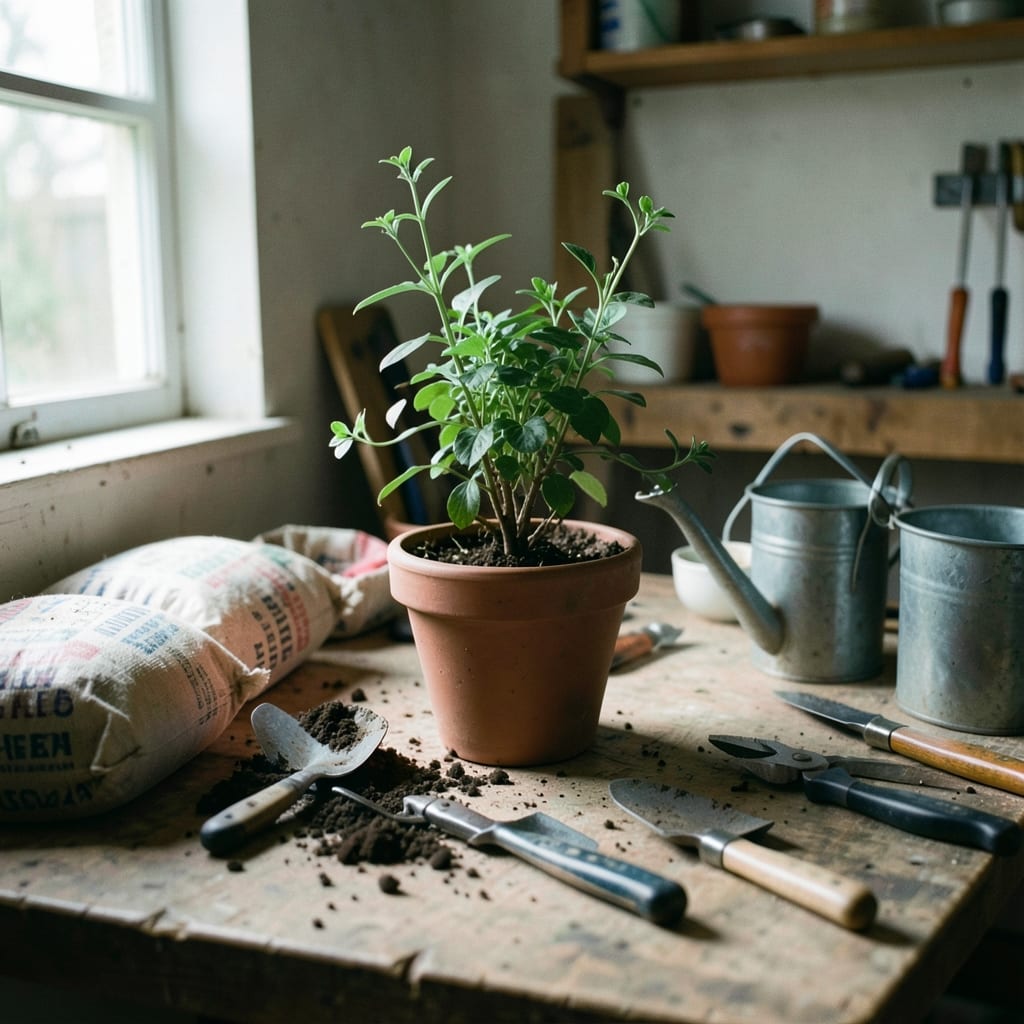
Welcome to How To Grow At Home
You’ve got a packet of seeds in your hand—maybe they’re heirloom tomatoes, fragrant basil, or something you’ve never tried before—and you’re not sure where to start. The instructions on the back feel vague, the soil in your pot looks too dry, and the light in your windowsill isn’t enough.
This is where the story begins to go wrong, or where it starts right, depending on who’s holding the trowel.
This site is for anyone who wants to grow something, whether you’re a beginner with a single windowsill or a seasoned gardener looking for the next challenge.
Here, we strip away the guesswork and focus on the real work: the soil, the light, the patience, and the small, stubborn victories of watching something grow from nothing.
Our story
There was a gap between the advice in gardening books and what actually worked in a small apartment with fluorescent light. The instructions assumed you had a greenhouse, a perfect south-facing plot, or at least a backyard that didn’t get flooded every spring.
Joelle Faulkner was growing herbs on a sunny windowsill in 2018 when she realized most of the ‘expert’ tips she found online were either useless or outright wrong for real-life growing spaces.
The first attempt was a notebook—scrawled observations about soil moisture, light angles, and the exact moment basil leaves started curling from too much sun. She posted a few photos online, and the responses were overwhelming: people wanted to know *how* she’d figured it out, not just what had worked.
That’s when the site became necessary. By 2019, the notebook had turned into a blog, and by 2020, it was clear this was more than a hobby.
The turning point came on a rainy afternoon in March 2021, when Joelle was adjusting the angle of a grow light over a tray of microgreens in her tiny kitchen.
A neighbor knocked on the door and asked if she could take a photo of the setup—‘I’ve been trying to grow chives for months, and mine always die.’ That moment, with the cold air seeping in and the fluorescent light buzzing overhead, became the reason this site exists: to show people that growing things isn’t about luck or ideal conditions.
It’s about paying attention.
What we stand for
We believe growing plants should be accessible, not mysterious. That means no ‘secret’ tips, no overcomplicated language, and no pretending that every garden is the same. We also believe in honesty—if a method fails after three tries, we’ll say so.
And we believe the best lessons come from the questions, not just the answers.
What you will always get here
- Clear, step-by-step instructions with real measurements (not ‘a pinch’ or ‘a handful’).
- Honest assessments of what works in small spaces, limited light, or imperfect soil.
- Photos that show the process, not just the perfect end result.
- Answers to the questions you’re too embarrassed to ask—like why your seedlings keep falling over or how to fix leggy herbs.
Meet the team

The people behind *How To Grow At Home* are gardeners first, writers second. They’ve all spent years figuring out what works—and what doesn’t—in real growing spaces, from cramped balconies to overcrowded community plots.
Their work here is shaped by the mistakes they’ve made (and the ones they still make), the plants that thrived against all odds, and the quiet satisfaction of watching something grow from a single seed.
Joelle Faulkner
Joelle Faulkner is the founder and editor of *How To Grow At Home*, and her approach to gardening is rooted in the lessons she learned as a child sneaking seeds from her mother’s garden.
She started this site after years of testing growing methods in her own tiny apartment, where space and light were always limited.
Her desk is cluttered with seed packets, a magnifying glass for inspecting leaves, and a notebook filled with sketches of plant structures—because she believes the best way to learn is to see how things actually work.
Before this site, Joelle worked as a horticulture assistant at a botanical garden, where she learned to diagnose plant problems by touch and smell as much as by sight.
She still gets the pH of her soil wrong at least once a year, but she’s gotten better at spotting the first signs of powdery mildew before it spreads. Her writing here is shaped by those hands-on failures and the small, stubborn victories that follow.
I still remember the first time I grew a tomato from seed that actually ripened indoors. It was a tiny, misshapen thing, but it tasted like summer. That’s the magic of growing—it’s not about perfection, it’s about the moment something you nurtured becomes something you can eat, share, or just admire. And if you mess up? Well, that’s just part of the story.
Joelle Faulkner
How we create our content
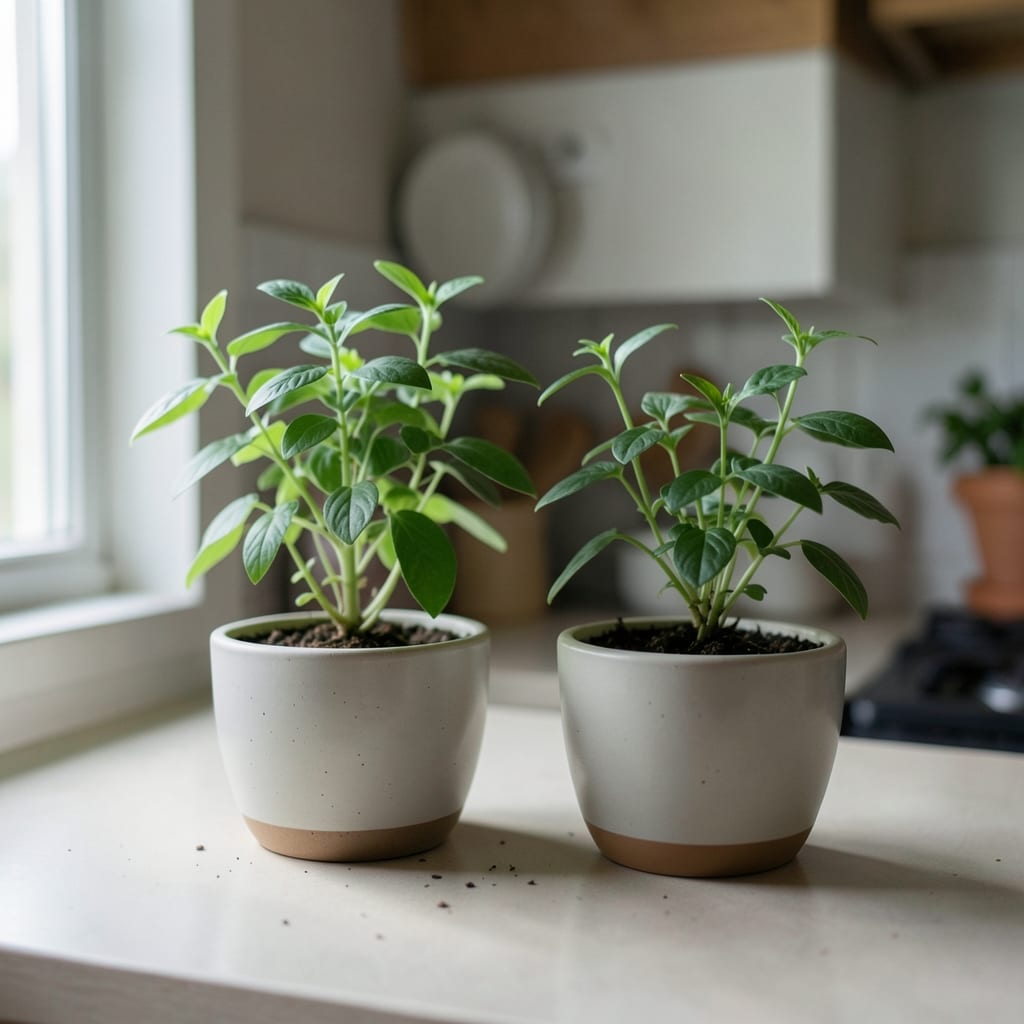
Every piece of content here starts with a question—or a problem. It could be ‘How do I grow basil in a north-facing window?’ or ‘Why do my pepper plants keep dropping flowers?’ We don’t assume we know the answer. The first step is always research: reading, observing, and testing.
Then comes the real work.
Step 1: the experiment
We grow everything ourselves, in the exact conditions we’re writing about. That means setting up grow lights at 6 inches above seedlings for 14 hours a day, or testing soil mixes in 6-inch pots on a balcony where the wind hits at 3 PM.
No shortcuts—if we’re writing about overwintering herbs, we’ll keep them alive through a real winter, not just a simulation. The goal isn’t to find the ‘best’ method, but to document what *actually* happens when you follow a set of steps.
Quantities matter. A ‘handful’ of compost is 1 cup if you’re using a standard measuring cup, ½ cup if your hands are small. Light levels are tracked with a light meter, not guessed.
And we always test at least three times—once to learn, once to refine, and once to write about. The notes from these experiments fill binders in our office, because the details are what make the difference between a plant that thrives and one that gives up.
Step 2: the fix
After the experiment, we look for the weak points—the steps that failed, the conditions that didn’t hold, the tools that didn’t work. If the seedlings stretched too tall, we adjust the light distance or add a reflective surface. If the soil dried out too fast, we test different moisture-retention mixes.
The fix isn’t about making things easier; it’s about making them *reliable*. That’s what turns a good growing method into one that works for real people.
The final version is written with those fixes in mind, but we never pretend it’s foolproof. We’ll say ‘This worked for us three times, but your light conditions might be different,’ because the truth is, growing is always a conversation between what you’re given and what you do with it.
The goal is to give you the tools to adjust when things go wrong—and to celebrate when they don’t.
Join our community
This site isn’t just about reading—it’s about the questions you ask, the struggles you share, and the suggestions you send in.
We answer the ones that stump us all: ‘Why did my zucchini flowers fall off?’ or ‘How do I keep slugs away without chemicals?’ We feature the best reader-submitted fixes in our ‘Grower’s Notebook’ section, and we’ll always credit the source.
If you’ve got a problem, a win, or a weird plant quirk, there’s a place for it here.
Let's connect
We love hearing about the plants you’re growing, the mistakes you’ve made, and the little victories that keep you coming back. Did your first tomato finally ripen? Did you figure out how to save seeds from your peppers? Did something go horribly wrong and you want to know why?
Share it—the contact page is where those stories begin.
This site exists because growing things is a shared experience, not a solo one. So tell us what you’re curious about, what you’ve learned, or what you wish you knew sooner. And if you’re holding a seed packet right now, wondering where to start—you’re already part of the story.
The guides are grouped by category: Companion Plants, Fertilization, Flowers, How To, Pests and Picking.