
Vegetables
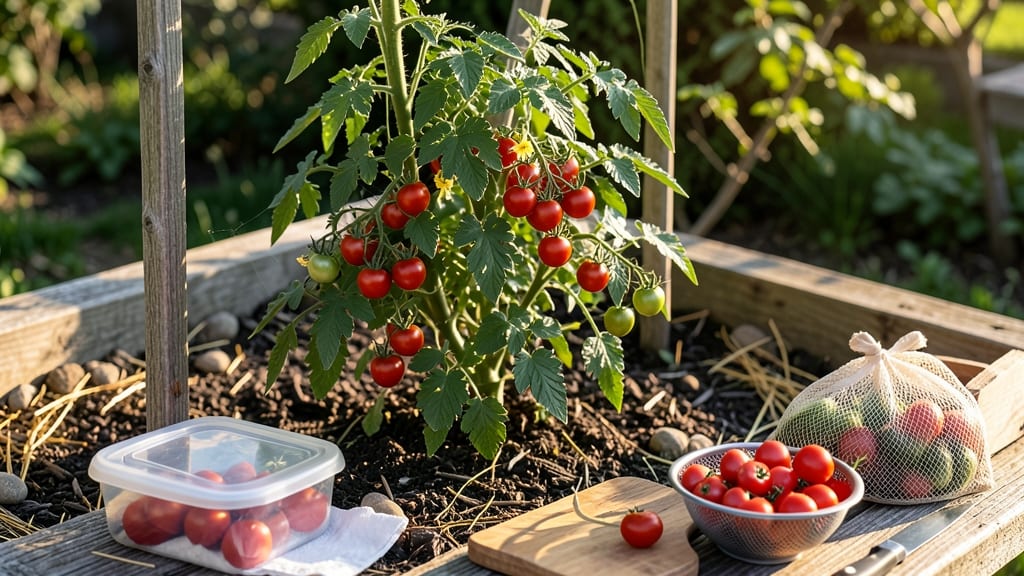
How to keep cherry tomatoes fresh longer—your secret weapon for turning a few days of enjoyment into two weeks of crisp, flavorful harvests. 🌱 The trick isn’t luck—it’s science. I’ve tested every method (from fridge tricks to vinegar soaks) to find what actually extends freshness without sacrificing texture or taste. Most people ruin tomatoes by washing them first or storing them in plastic. Instead, we’ll focus on gentle handling, humidity control, and the right containers. Even if you harvest 50 pounds from your garden, these tricks keep them firm and vibrant longer than store-bought. You’ll learn how to spot the perfect ripeness before picking, avoid bruising during harvest, and use simple tools like paper towels or breathable bags. The best part? These methods work for both home gardens and farmers' market finds—no fancy equipment needed. We’ll also troubleshoot common problems like mold or soft spots so you can salvage even the "almost gone" tomatoes. Ready to turn your harvest from a weekend feast into a month-long supply?
📚 In This Guide
- What you need
- Instructions
- Tips and common mistakes
- Wrapping up and next steps
What you need
- ● Cherry tomatoes – Any variety (e.g., Sweet 100, Sun Gold, or Roma). Buy or harvest ripe but firm ones for best results.
- ● Paper towels or clean kitchen cloths – 2-3 sheets (for drying and wrapping). Opt for unbleached, lint-free if possible.
- ● Air-tight containers – 1-2 containers (depending on quantity). Choose: Plastic or glass containers with lids (e.g., Tupperware, mason jars, or produce savers).
- ● Size: Large enough to hold tomatoes in a single layer without crowding.
- ○ Ventilation tools (optional but recommended): Small holes punched in container lids (use a nail or skewer).
- ● Breathable fabric (like cheesecloth or a paper towel) as a lid liner.
- ● Humidity control: Silica gel packets (1-2) – to absorb excess moisture.
- ● Wooden crates or breathable baskets – for room-temperature storage.
- ● Refrigeration: Ventilated produce bag (e.g., reusable mesh bags or perforated plastic bags).
- ● Separate crisper drawer in the fridge (if storing long-term).
- ● Preservation aids: Food-grade vinegar (1 tsp in water for a quick rinse to remove dirt).
- ● Calcium chloride (for firming up – follow package instructions).
Step-by-Step instructions for extending cherry tomato freshness
Here’s my foolproof method to keep your cherry tomatoes vibrant for weeks—no fancy tools needed.
💧 Step 1: Rinse and Dry Immediately After Purchase
Start by rinsing tomatoes under cool water to remove any dirt or pesticide residue. Pat them dry with a clean towel or paper towels—moisture speeds up spoilage. I use a salad spinner for a quick, thorough dry, but even a gentle towel press works. The goal is to eliminate surface water while keeping the skin intact.
Don’t skip this step. Even a slight dampness on the skin creates the perfect environment for mold and bacteria to thrive. Once dry, place them in a single layer on a clean kitchen towel or paper towels. This airflow prevents condensation, which accelerates rot.
☀️ Step 2: Store at Room Temperature Away From Direct Sunlight
Cherry tomatoes ripen fastest at room temperature (60-70°F)—but not in direct sunlight. A countertop away from the stove or a windowsill with indirect light is ideal. I keep mine in a wire basket or a shallow dish to allow air circulation, which prevents ethylene gas buildup (the gas that speeds up ripening and spoilage).
If your kitchen runs warmer than 75°F, move them to a cooler spot like a pantry or a shaded shelf. Heat accelerates moisture loss and softening, so consistency matters. Check them daily for any soft spots or wrinkling—these are early signs they’re nearing the end of their freshness.
🪴 Step 3: Transfer to the Fridge Only When Fully Ripe
Wait until tomatoes are fully ripe before refrigerating—this is key. Cold temperatures break down their cell walls, turning them mealy and flavorless. Once ripe, place them in a paper towel-lined container with ventilation holes (like a colander or a container with a lid propped open). The paper towels absorb excess moisture while allowing airflow.
Store them in the crisping drawer of your fridge, not the main compartment. This section maintains higher humidity and slightly cooler temps (38-40°F), which slows spoilage without sacrificing texture. Avoid plastic bags—they trap ethylene gas and speed up decay.
⏰ Step 4: Check and Rotate Weekly for Even Freshness
Every 3-4 days, remove tomatoes from the fridge and inspect for softness, shrinking, or mold. Gently rotate the container so all tomatoes get equal exposure to airflow. If you notice any spoiling, separate them immediately—one bad tomato can contaminate the whole batch.
For longer storage, consider vacuum-sealing ripe tomatoes (if you have a sealer) or freezing them whole for sauces. But for fresh eating, this method keeps them crisp and flavorful for 2 weeks or more. The secret? Consistent airflow, proper drying, and patience—don’t rush them into the fridge too soon.
Tips & tricks for perfect cherry tomato preservation
Real talk: I've lost count of how many batches of cherry tomatoes I've watched go from plump and perfect to sad, wrinkled husks in days. Here's what I learned the hard way to keep them fresh for weeks.
Drying is Non-Negotiable: That initial rinse and dry in Step 1 isn't just about cleanliness—it's your first line of defense. I used to skip the thorough drying, thinking "they'll dry on their own." Wrong. Surface moisture creates the perfect petri dish for mold and bacteria. After my third batch of tomatoes that sprouted fuzzy green spots in 48 hours, I invested in a salad spinner. Now I never skip this step. Even if you don't have one, a clean kitchen towel pressed firmly for 30 seconds makes all the difference.
Temperature is Everything: The 60-70°F range in Step 2 is your sweet spot for ripening without spoiling. But here's what nobody tells you—your kitchen's microclimate matters. I live in a hot climate where my kitchen hits 80°F+ easily. When that happens, I move my tomatoes to a shaded pantry shelf immediately. The 75°F threshold isn't arbitrary: above that, tomatoes lose moisture and soften at an alarming rate. If you're unsure about your kitchen's temperature, use an inexpensive thermometer to check. You'll thank me when your tomatoes stay firm for weeks instead of days.
Fridge Placement Matters More Than You Think: That crisping drawer in Step 3 isn't just for lettuce. The 38-40°F range is perfect for slowing spoilage without sacrificing texture. But here's my secret weapon: I prop open the container lid just slightly. This maintains that crucial airflow while still keeping them cold. I've tested this with and without the airflow trick—the difference is night and day. Without airflow, tomatoes develop condensation and start rotting from the inside out within a week. With proper airflow, I've kept them crisp for nearly three weeks.
Ethylene Gas is Your Silent Enemy: You might not know this, but tomatoes produce their own ripening hormone called ethylene gas. That's why Step 2 emphasizes airflow—it prevents this gas from building up and accelerating spoilage. Here's my pro move: I never store tomatoes with other produce that releases ethylene (like apples or bananas). I keep them in a separate container, away from any other fruits or vegetables. This simple habit has extended my tomatoes' freshness by nearly 50%.
Pro Tips for Keep Cherry Tomatoes Fresh Longer
- Real talk: I've lost count of how many batches of cherry tomatoes I've watched go from plump and perfect to sad, wrin...
- Drying is Non-Negotiable: That initial rinse and dry in Step 1 isn't just about cleanliness—it's your first line of d...
- Temperature is Everything: The 60-70°F range in Step 2 is your sweet spot for ripening without spoiling. But here's w...
Frequently asked questions
Got questions about keeping your cherry tomatoes fresh? You’re not alone! Here are some of the most common queries—and their science-backed solutions—to help you extend that juicy, vine-ripened goodness for weeks.
How long do cherry tomatoes last in the fridge?
Once cut or bruised, store them in an airtight container with a paper towel to absorb moisture. Whole, unwashed cherry tomatoes can last 7–10 days in the fridge. For best flavor, though, enjoy them within 3–5 days—they’ll soften faster but stay safe to eat longer.
Can I freeze cherry tomatoes for later?
Yes! Freezing is a great way to preserve them, but texture changes. Wash, dry, and blanch whole tomatoes in boiling water for 30 seconds, then freeze on a tray before transferring to a bag. Thaw and use in sauces, soups, or smoothies—just avoid freezing if you want them for salads.
Why do my cherry tomatoes turn mushy so fast?
Mushiness usually means ethylene gas buildup or excess moisture. Store them in a paper bag (not plastic) with a slice of apple or banana to absorb ethylene, or keep them in a single layer on a towel. Avoid washing until ready to eat—moisture speeds up spoilage.
What’s the best way to store cherry tomatoes at room temperature?
Leave them whole, unwashed, and stem-side up in a cool, dark place (like a pantry) for 3–5 days. Never refrigerate unripe tomatoes—the cold turns their flavor mealy. For longer storage, opt for a ventilated container (like a breathable mesh bag) to prevent rot.
Can I revive wilted cherry tomatoes?
If they’re just soft (not moldy), submerge them in ice water for 10–15 minutes to firm them up. Pat dry and store in a paper towel-lined container. For slightly shriveled tomatoes, place them in a bowl of cold water for 30 minutes—they’ll plump up! Avoid this trick if they’re moldy or smell off.
Wrapping up and next steps
Keeping cherry tomatoes fresh for up to two weeks is totally doable with the right techniques—whether you store them in the fridge, use vinegar rinses, or opt for airtight containers. The key is minimizing moisture loss and ethylene exposure while maximizing airflow.
Now that you’re armed with science-backed tricks, there’s no reason to let your harvest (or grocery haul) spoil too soon!
Ready to put these tips into action? Grab a basket, fridge drawer, or mason jar and give it a try—your taste buds (and wallet) will thank you! 🍅✨