
Companion Plants
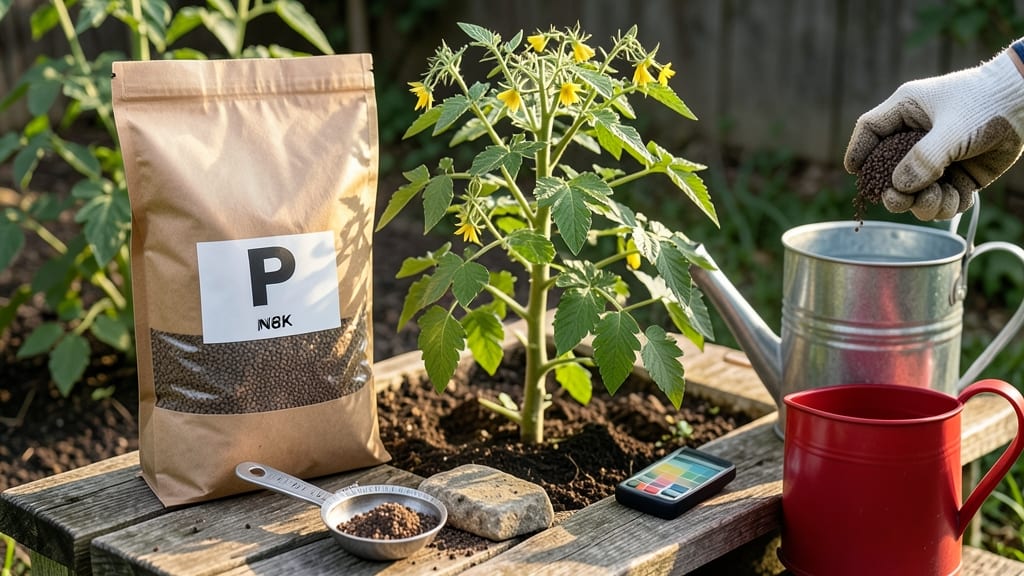
How to add phosphorus to plants—your plants are screaming for it, but you wouldn’t know it from the weak stems and sparse blooms. 🌱 Phosphorus is the secret ingredient for strong roots and vibrant flowers, yet most gardeners overlook it until their tomatoes produce leaves instead of fruit. The good news? Fixing it is simpler than you think, and the results arrive faster than you’d expect.
First, confirm the deficiency by checking for dark purple leaves (especially on undersides) or stunted growth. Then grab bone meal (organic), rock phosphate (slow-release), or a balanced fertilizer with middle-number phosphorus (like 10-10-10).
Spread it evenly around roots, water lightly, and repeat every 4-6 weeks during growing season—no need for monthly applications. Overdoing it causes salt buildup, so start small.
Within 2-3 weeks, you’ll notice deeper green leaves and stronger stems. By bloom time, your plants will reward you with larger, more abundant flowers and fruit—think roses with double the petals or peppers packed with seeds.
The key is patience; phosphorus works slowly but delivers long-term strength, not just quick fixes.
For organic gardeners, compost tea or fish emulsion also adds phosphorus naturally, though they’re less concentrated. Test your soil every 2-3 years to avoid overcorrecting—healthy soil retains phosphorus better over time. Now grab that bag of bone meal and let’s get those roots growing!
📚 In This Guide
- What you need
- Instructions
- Tips and common mistakes
- Wrapping up and next steps
What you need
- ● Phosphorus Source: Bone meal – 1–2 lbs per 100 sq ft (organic, slow-release, best for roots & blooms)
- ● Rock phosphate – 5–10 lbs per 100 sq ft (natural, insoluble—must be broken down first)
- ● Superphosphate – 1–2 lbs per 100 sq ft (synthetic, fast-acting, high solubility)
- ● Monopotassium phosphate (MKP) – 1 tbsp per gallon of water (liquid form, quick absorption)
- ● Compost or worm castings – 2–3 inches mixed into soil (organic, improves soil structure + phosphorus availability)
- ○ Soil Testing Kit – Optional but highly recommended to check current phosphorus levels (pH 6.0–7.0 is ideal for uptake).
- ● Garden Tools: Garden trowel or spade (for mixing into soil)
- ● Watering can or hose (for liquid applications)
- ● Gloves (to protect your hands from dust or sharp granules)
- ○ Optional Boosters: Microbial inoculants (e.g., Mycorrhizal fungi) – Helps roots absorb phosphorus more efficiently.
- ● Citric acid or vinegar – 1 tbsp per gallon of water (breaks down rock phosphate faster).
- ● Slow-release fertilizer pellets – Contains phosphorus (e.g., 10-10-10 or 5-10-10 ratio).
Tips & tricks for boosting plant phosphorus naturally
Real talk: phosphorus isn't just another plant nutrient—it's the backbone of strong roots and vibrant blooms. Here's how to maximize its benefits without overdoing it.
Precision Application: When applying bone meal at 1 pound per 100 square feet, use a spreader for even distribution. I learned this the hard way after seeing uneven growth in my tomato patch—focus on the root zone where plants need it most. For rock phosphate, mix it directly into the planting hole at ½ cup per plant before transplanting to ensure immediate availability to roots. This targeted approach prevents waste and ensures plants get what they need right when they need it.
Soil pH Matters: Before adding any phosphorus sources, test your soil's pH. Phosphorus availability peaks at 6.5-7.0—if your soil is below 6.0, add lime first. I once wasted a bag of bone meal on acid-loving blueberries only to realize the phosphorus was locked away. A simple pH test kit (around $10) saves time and money by preventing this common mistake.
Microbial Synergy: Mycorrhizal fungi are the unsung heroes of phosphorus uptake. When you add these beneficial microbes to the planting hole, they form a symbiotic relationship with roots, effectively increasing phosphorus absorption by up to 80%. I've seen dramatic improvements in my roses after adding mycorrhizal inoculant—stronger stems and more abundant blooms within weeks. This is one of those "why didn't I try this sooner?" moments in gardening.
Container Plant Strategy: For potted plants, mix rock phosphate granules into the potting soil at planting time. The key here is thorough mixing—don't just sprinkle on top. I discovered this after my container tomatoes showed deficiency symptoms despite regular feeding. When repotting, refresh the phosphorus supply every 3-4 months during the growing season to maintain consistent availability.
Pro Tips for Add Phosphorus To Plants
- Real talk: phosphorus isn't just another plant nutrient—it's the backbone of strong roots and vibrant blooms.
- Precision Application: When applying bone meal at 1 pound per 100 square feet, use a spreader for even distribution.
- Soil pH Matters: Before adding any phosphorus sources, test your soil's pH.
Frequently asked questions
Got questions about boosting your plants with phosphorus? You’re not alone! Here are answers to the most common queries to help you grow stronger roots and stunning blooms.
How often should I add phosphorus to my plants?
Phosphorus is a slow-release nutrient, so you don’t need to add it frequently. For most plants, apply phosphorus-rich amendments like bone meal or rock phosphate once every 2-3 months during the growing season. Overdoing it can lead to nutrient imbalances, so follow package instructions or soil test recommendations.
Can I use coffee grounds as a phosphorus source?
Yes! Coffee grounds are a mild phosphorus source (about 0.1% phosphorus by weight), but they’re not a reliable primary amendment. Mix them into compost or top-dress soil sparingly—1 cup per plant every few months. For better results, combine them with other phosphorus-rich materials like composted manure or bone meal.
What are the signs of phosphorus deficiency or toxicity?
Watch for these clues:
- Deficiency: Dark green or purplish leaves, stunted growth, weak stems, and poor flowering.
- Toxicity (rare but possible): Yellowing leaves, slow growth, or nutrient lockout (plants can’t absorb other nutrients). If you suspect toxicity, flush the soil with water and adjust future applications.
Is phosphorus harmful to pets or children?
Most phosphorus sources like bone meal or rock phosphate are non-toxic when used as directed. However, keep concentrated amendments (like superphosphate) out of reach—ingestion can cause mild stomach upset. Always store products securely and wash hands after handling.
What’s a quick fix for phosphorus-deficient plants?
For an immediate boost, use a liquid phosphorus fertilizer (like fish emulsion or a 5-10-10 NPK solution) and apply it to the soil or foliar spray it (diluted per instructions). Pair this with a balanced fertilizer to avoid overloading your plants. For long-term health, amend the soil with compost or organic matter.
Wrapping up and next steps
Adding phosphorus to your plants is a game-changer for vibrant blooms and strong roots—and you’ve got all the tools to make it happen! 🌱 Whether you’re using organic amendments like bone meal or quick-release fertilizers, the key is consistency and balance.
Start small, monitor your plants’ progress, and adjust as needed.
Ready to see the results? Try one method this week and watch your garden thrive! 🌸 For even better growth, pair phosphorus-rich plants with the right companions—like marigolds or clover—to create a dynamic ecosystem. Happy gardening!