
Container Gardens
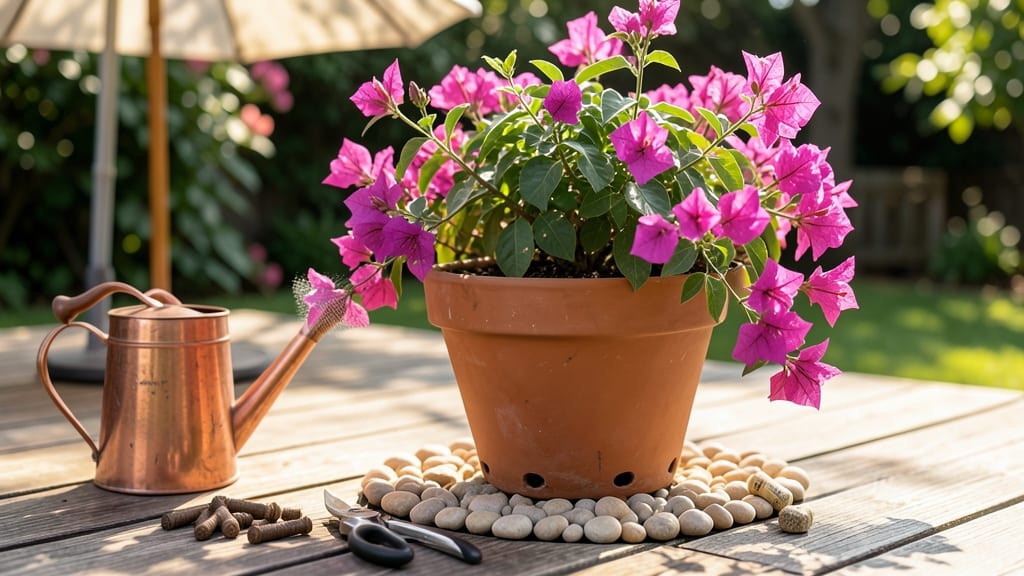
Caring for bougainvillea in pots outdoors unlocks year-round color that turns heads—and your patio into a tropical oasis. 🌺 I’ve battled withered vines and leggy growth until I learned the secrets of sun, soil, and smart pruning. The difference? Vibrant blooms from spring through fall with minimal fuss.
Start with a 15-20 gallon pot (bigger is better for stability), fast-draining cactus mix, and a spot where it bakes in 6+ hours of sun daily. Overwatering kills bougainvillea faster than drought—let the top 2 inches of soil dry before watering again.
Feed monthly with balanced fertilizer (10-10-10) during growing season, then cut back in winter.
Pruning isn’t just about shape—it’s about encouraging thicker growth and more blooms. Trim back one-third in early spring, then lightly shape after blooming to keep it compact. The real magic? Winter protection: wrap pots in burlap or move indoors if temps drop below 30°F.
Mistakes like crowded roots or over-fertilizing lead to weak growth, but bougainvillea is forgiving once you nail the basics. With the right pot, soil, and a little TLC, you’ll have a drought-resistant showstopper that outshines store-bought flowers. Ready to transform your space?
📚 In This Guide
- What you need
- Instructions
- Tips and common mistakes
- Wrapping up and next steps
What you need
- ● Container: 1 large pot (12–18 inches in diameter) with drainage holes
- ○ Optional: Self-watering pot for convenience
- ● Potting Mix: 1 bag (10–15 cubic feet) of well-draining cactus/succulent mix or a blend of: 60% potting soil
- ● 30% perlite or pumice
- ● 10% coarse sand or gravel
- ● Bougainvillea Plant: 1 mature plant (3–5 feet tall) or young cutting (6+ inches long)
- ● Tools: 1 pair of pruning shears (sterilized)
- ● 1 trowel or small shovel
- ● 1 watering can or hose with a gentle spray nozzle
- ○ Optional: Gloves (to protect from thorns)
- ● Sunlight: Full sun (6+ hours daily) 🌞
- ● Location: Outdoor space with wind protection (e.g., near a fence or wall)
- ● Area with easy access to water
- ● Climate: USDA Zones 9–11 (year-round outdoor care)
- ● For cooler zones: Move pots indoors or to a greenhouse in winter
- ● 🔥 Drainage is key! Elevate pots on feet or a tray to prevent root rot.
- ● ✨ Fertilizer boost: Add 1 tbsp of balanced fertilizer (10-10-10) to the potting mix at planting.
- ● 🎯 Thorn protection: Wear gloves when handling plants—bougainvillea loves to say hello with its spikes!
Step-by-Step instructions for thriving potted bougainvillea outdoors
Here's the straightforward approach I've used for years to keep these vibrant plants blooming reliably in containers.
🪴 Step 1: Select the Right Container and Drainage
Choose a fiberglass, terracotta, or plastic pot that's at least 12-18 inches deep for each plant—bougainvillea has aggressive roots that need room to spread. I prefer containers with multiple drainage holes to prevent soggy soil, which causes root rot. If your pot lacks drainage, drill 3-4 holes in the bottom and add a 2-inch layer of gravel first to create an air pocket.
Bougainvillea thrives in well-draining soil, so fill the pot with a mix of 50% premium potting soil, 30% perlite, and 20% coarse sand. This combination mimics its native rocky habitats. Tap the pot gently after filling to eliminate air pockets, then water thoroughly until moisture runs freely from the drainage holes. The soil should feel damp but not waterlogged—you'll know it's right when excess water drains within 5 minutes.
☀️ Step 2: Position for Maximum Sun Exposure
Bougainvillea demands full sun—place your pots in a location receiving at least 6-8 hours of direct sunlight daily. A south-facing patio or balcony works best, but if you're in a hot climate, provide afternoon shade during peak summer heat to prevent leaf scorch. I've found that morning sun with afternoon shade produces the most vibrant blooms without stressing the plant.
Rotate your pots quarter-turn weekly to ensure even growth. You'll notice new shoots emerging toward the light, so adjust positioning as needed. If you see leaves turning yellow or stems elongating excessively, your plant needs more light. In cooler climates, move pots indoors during winter or provide grow lights to maintain growth.
💧 Step 3: Water Deeply and Infrequently
Bougainvillea is drought-tolerant, so the key is deep watering rather than frequent shallow drinks. Water when the top 2-3 inches of soil feel completely dry—stick your finger in the soil to check. During active growth (spring and summer), I water every 5-7 days, but adjust based on your climate. In winter, reduce watering to every 2-3 weeks or when the soil is bone dry.
Water at the base of the plant in the morning to allow foliage to dry quickly, reducing fungal risks. Avoid wetting the leaves, as bougainvillea is prone to powdery mildew in humid conditions. If you notice white powdery spots on leaves, increase airflow by spacing pots apart or using a fan on low setting near the plants.
✂️ Step 4: Prune for Shape and Continuous Blooms
Prune bougainvillea twice yearly—once in early spring to shape the plant and again in mid-summer to encourage new blooms. Use clean, sharp pruners to cut back leggy growth by one-third and remove any dead or crossing branches. The flowers actually grow on new wood, so pruning stimulates fresh growth and more vibrant blooms.
Here's the trick: prune just above a leaf node where new shoots will emerge. Avoid cutting into old wood, which won't produce new growth. After pruning, apply a balanced, water-soluble fertilizer (10-10-10) to support regrowth. You'll see fresh, green shoots within 2-3 weeks—that's your sign the plant is responding well.
🌿 Step 5: Feed and Protect for Year-Long Color
Feed your bougainvillea every 4-6 weeks during the growing season (spring through fall) with a low-nitrogen, high-phosphorus fertilizer (like 5-10-10 or 7-9-5). This encourages blooming over leafy growth. I mix the fertilizer with water and apply it directly to the soil, avoiding contact with leaves. In winter, reduce feeding to every 8-10 weeks or stop altogether if the plant is dormant.
Protect your potted bougainvillea from frost by moving it indoors or covering it with a frost cloth when temperatures drop below 35°F. If you're in a mild climate, the plant may stay outdoors year-round, but reduce watering and feeding significantly. Watch for aphids or mealybugs, which love bougainvillea's sap. Spray infested areas with neem oil or a soapy water solution (1 tsp mild soap per quart of water) to keep pests in check.
Tips & tricks for thriving potted bougainvillea outdoors
These practical insights will help you avoid common pitfalls and maximize your bougainvillea's vibrant blooms all year.
Soil Mix Precision: When creating your 50% premium potting soil, 30% perlite, and 20% coarse sand mix in Step 1, I recommend sifting all components through a fine mesh screen first. This eliminates any large particles that could create air pockets in the soil, ensuring even moisture distribution. The 5-minute drainage test is crucial—if water drains faster than this, add a bit more sand to improve structure; if it takes longer, increase the perlite proportion. This balance prevents both waterlogging and dry pockets that can stress roots.
Sunlight Strategy: For the critical 6-8 hours of direct sunlight in Step 2, consider using a light meter app to track actual sunlight exposure in your space. Bougainvillea thrives on bright, indirect light in the morning and direct afternoon sun in cooler climates. If your plants develop long, leggy stems, they're stretching toward light—this is your cue to move them closer to a south-facing window or supplement with grow lights for 12-14 hours daily. The quarter-turn weekly rotation prevents uneven growth by ensuring all sides receive equal light exposure.
Watering Technique: The deep watering method in Step 3 works best when you water until you see moisture emerge from the drainage holes at the bottom. For containers 12-18 inches deep, you'll typically need about 1-2 gallons of water per watering session. I've found that using a watering can with a long spout makes it easier to direct water to the base without wetting leaves, which helps prevent powdery mildew. In particularly hot climates, you might need to water every 3-4 days instead of the 5-7 day guideline, especially if the top 2-3 inches dry out faster.
Pruning Timing: When pruning bougainvillea twice yearly in Step 4, I recommend doing your early spring pruning right after the last frost date in your area. This gives new growth plenty of time to establish before summer heat arrives. For the mid-summer pruning, aim to finish by early August in most climates—this prevents new growth from being damaged by early fall frosts. The 2-3 week window for seeing fresh green shoots after pruning is your confirmation that you've cut just above a leaf node correctly, stimulating new blooming wood.
Pro Tips for Care For Bougainvillea In Pots Outdoors
- These practical insights will help you avoid common pitfalls and maximize your bougainvillea's vibrant blooms all year.
- Soil Mix Precision: When creating your 50% premium potting soil, 30% perlite, and 20% coarse sand mix in Step 1, I recommend sifting all components through a fine mesh screen first.
- Sunlight Strategy: For the critical 6-8 hours of direct sunlight in Step 2, consider using a light meter app to track actual sunlight exposure in your space.
Frequently asked questions
Got questions about keeping your potted bougainvillea thriving? You’re not alone!
Here are answers to the most common concerns—from pruning to pests and everything in between.
How often should I water my potted bougainvillea?
Water deeply when the top 1–2 inches of soil feel dry—usually every 5–7 days in hot weather. Overwatering is worse than underwatering! Ensure pots have drainage holes to prevent root rot. Pro tip: Let the soil dry out more in winter when growth slows.
When and how should I prune my bougainvillea?
Prune in late winter or early spring (before new growth) to shape the plant and encourage blooms. Cut back leggy stems by ⅓ using clean shears. Avoid heavy pruning in fall—it can stunt flowering. Bonus: Deadhead spent blooms to prompt more flowers!
What pests commonly affect potted bougainvillea?
Watch for aphids, mealybugs, or spider mites—especially in dry conditions. Spray infested areas with neem oil or insecticidal soap. Prevent pests by keeping leaves dry and removing debris. Yellowing leaves? Could also signal overwatering or nutrient deficiency.
Can bougainvillea survive winter in pots outdoors?
Yes! Move pots to a sheltered spot (like a garage or under eaves) when temps drop below 40°F (4°C). Reduce watering and fertilizing. Hardy varieties (like ‘San Diego Red’) tolerate brief cold snaps better than tropical types.
What’s the best fertilizer for potted bougainvillea?
Use a balanced, water-soluble fertilizer (like 10-10-10) every 4–6 weeks in spring/summer. In fall, switch to a low-phosphorus formula (e.g., 5-10-10) to avoid leggy growth. Slow-release granules work well too!
Still stumped?
Drop your question in the comments—we’re happy to help your bougainvillea bloom brighter!
Wrapping up and next steps
Caring for bougainvillea in pots is all about embracing its low-maintenance charm while giving it the love it thrives on—sunshine, well-draining soil, and occasional pruning. With the right container, proper watering, and a dash of fertilizer, you’ll enjoy vibrant blooms year-round, even in drought-prone climates. 🌸
Now that you’re armed with the know-how, go ahead and transform your outdoor space! Start by picking your favorite pot, planting your bougainvillea, and watch as it rewards you with bursts of color. Happy gardening—your future blooms are waiting! 🌿