
Companion Plants
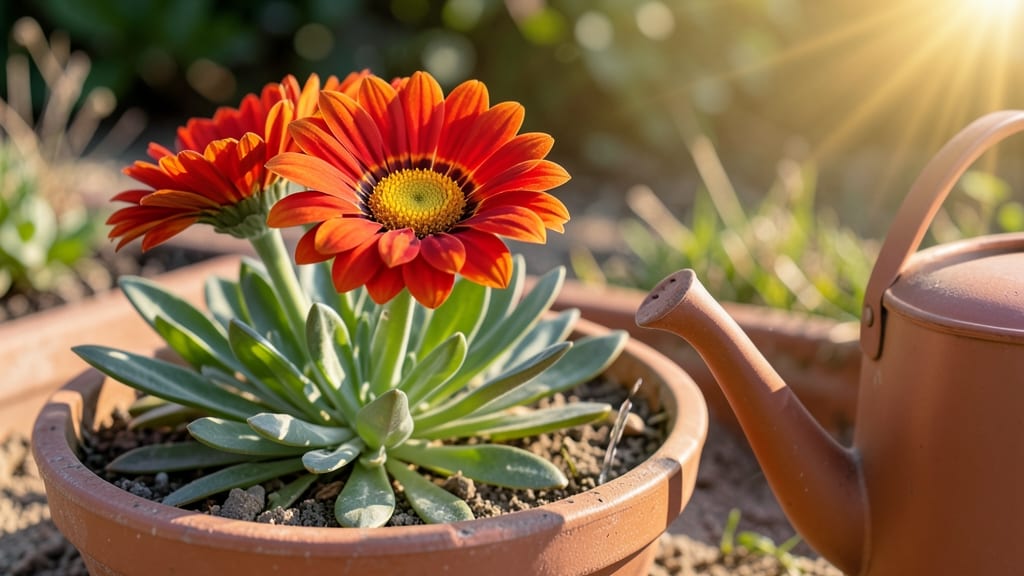
How to care for gazania plants—start with their sun-drenched, daisy-like faces opening every morning—and they’ll do the same for your garden. 🌞 These drought-resistant stars thrive where most flowers wilt, turning dry, hot borders into vibrant displays. My first batch survived a 90-degree July with barely a sip of water, proving they’re the ultimate low-maintenance bloomer. The secret lies in their sun-soaked habits: six or more hours of direct light daily, fast-draining soil, and water only when the top inch feels bone-dry. Overwatering is their kryptonite—those velvety petals can’t handle soggy roots. A light trim after each flush of spent blooms keeps them flowering nonstop from spring until frost. You’ll end up with a nearly indestructible groundcover that spreads cheerfully, repels pests, and even tolerates light foot traffic. The key is patience: they’ll sulk in winter but bounce back like champions when temperatures rise again. Perfect for rock gardens, slopes, or containers where other plants struggle. Here’s how to keep them blooming like clockwork—no green thumb required.
📚 In This Guide
- What you need
- Instructions
- Tips and common mistakes
- Wrapping up and next steps
What you need
- ● Gazania plants: Start with healthy nursery-grown gazania plants (1-3 per container or 6-8 per square foot in garden beds). Choose varieties like Gazania rigens or Gazania krebsiana for vibrant colors!
- ● Well-draining potting mix: A blend of cactus/succulent mix (50%) + perlite or coarse sand (30%) + peat moss (20%) for containers. For in-ground planting, amend clay soil with compost and grit.
- ○ Containers (optional but helpful): Terracotta pots (6–12 inches in diameter) for 1–3 plants each.
- ● Fabric grow bags (for better drainage) or raised beds (if planting in groups).
- ● Slow-release fertilizer: A balanced 10-10-10 or 20-20-20 granular fertilizer (1 tbsp per gallon of soil) or organic options like fish emulsion or compost tea.
- ● Watering can or drip irrigation: A gentle spray nozzle or soaker hose to avoid wetting foliage (prevents fungal issues).
- ● Pruning shears: Sharp, clean shears for trimming dead blooms or leggy stems.
- ○ Gloves (optional): Lightweight gardening gloves to protect hands from prickly stems.
- ● Mulch: Gravel or pebbles (to retain heat and reduce weeds) or straw mulch (for moisture retention in extreme heat).
- ● Sunlight meter or app: To track 6+ hours of direct sun daily (gazanias are sun-worshippers!).
- ● Plant supports (rarely needed): Small stakes if stems flop in windy areas (gazanias are usually self-supporting).
- ● Companion plants: Pair with succulents, lavender, or marigolds for a low-maintenance, heat-tolerant garden.
Step-by-step instructions for cultivating thriving gazania plants
Here’s how to keep these drought-loving beauties blooming all season long—with minimal fuss.
☀️ Step 1: Position in Full Sun and Well-Draining Soil
Gazania demands 6+ hours of direct sunlight daily—no compromise. Plant them in a spot where they’ll bask in the sun from morning to late afternoon. If your climate gets scorching, a slight afternoon shade break prevents leaf scorch, but don’t let them sit in deep shade—they’ll sulk and refuse to bloom.
Use soil that drains like a sieve. Amend heavy or clay soil with 20-30% perlite or coarse sand to prevent waterlogging. Gazania roots despise soggy feet, and overwatering is the fastest way to kill them. Test drainage by digging a hole, filling it with water, and watching it disappear in under an hour—if it pools, keep working on that soil.
💧 Step 2: Water Deeply but Infrequently
Water gazania only when the top 2 inches of soil feel bone-dry. Stick your finger in—if it’s damp, wait. These plants store water in their thick roots, so they’d rather go thirsty than drown. When you do water, soak deeply until it runs out the drainage holes. Shallow watering encourages weak roots and leggy growth.
Morning is the best time to water. It gives leaves time to dry before evening, reducing fungal risks. If you’re unsure, under-water slightly—gazania’s native to arid regions, so they’ll bounce back from a dry spell better than they’ll recover from rot.
✂️ Step 3: Deadhead and Prune for Continuous Blooms
Snip off spent blooms daily with clean scissors or pinch them off by hand. This isn’t just for looks—it signals the plant to produce more flowers instead of setting seed. Gazania blooms nonstop if you stay on top of deadheading. Watch for buds forming at the base of old blooms; these are your next wave of flowers.
If the plant looks leggy or overgrown, give it a light trim. Cut back stems by ⅓ their length in early spring or after a heatwave to encourage bushier growth. Avoid heavy pruning in late summer—you’ll sacrifice fall blooms. Always use sterilized tools to prevent disease.
🌿 Step 4: Fertilize Lightly and Protect from Pests
Feed gazania every 4-6 weeks with a balanced, water-soluble fertilizer diluted to half-strength. Too much nitrogen makes them grow leaves instead of flowers. I swear by a 10-10-10 mix in spring and switch to a 5-10-10 in summer to boost blooms. Flush the soil with plain water after fertilizing to prevent salt buildup.
Keep an eye out for aphids or spider mites. These pests love gazania’s tender new growth. Spray infested areas with neem oil or a strong stream of water to dislodge them. Healthy gazania plants rarely get serious pest issues, but stressed ones (from overwatering or poor light) attract trouble.
⏰ Step 5: Overwinter Care for Year-Round Growth
Gazania is an annual in cold climates, but if you’re in a mild winter zone (USDA zones 8-11), cut back stems to 2 inches tall after the first frost. Mulch lightly with ¼ inch of straw or shredded leaves to protect roots from freezing. In spring, the plant will regrow from the base like nothing happened.
If frost is inevitable, dig up tubers in fall, let them dry, and store them in a cool, dark place (50-60°F) with minimal moisture. Plant them back in spring when soil warms to 60°F. They’ll reward you with blooms faster than starting from seed.
Tips & tricks for perfect gazania care
These sun-loving plants reward patience with vibrant blooms—here's how to keep them thriving without the guesswork.
Sunlight Strategy: While gazania loves full sun, I've found that morning sun plus afternoon shade in extreme heat (above 95°F) prevents wilting. The 6-8 hours of direct sunlight should ideally be spread across the day rather than concentrated in midday's harshest rays. If you notice buds forming but not opening, they might need more light—rotate containers occasionally to ensure even exposure.
Watering Wisdom: The bone-dry test is your best friend. Stick your finger 1-2 inches into the soil—if it feels completely dry, it's time to water. I've learned the hard way that overwatering causes more problems than underwatering. For container-grown gazania, I use self-watering pots with drainage holes to maintain that perfect moisture balance without the guesswork.
Fertilizer Timing: The 4-6 week feeding schedule works best when timed with new growth. I fertilize right after the first flush of spring blooms and again before summer's peak heat. Always dilute that 10-10-10 fertilizer to half-strength—burned roots mean fewer blooms. You'll notice the most dramatic response after the second feeding when you see fresh buds forming within days.
Pro Tips for Care For Gazania Plants
- These sun-loving plants reward patience with vibrant blooms—here's how to keep them thriving without the guesswork.
- Sunlight Strategy: While gazania loves full sun, I've found that morning sun plus afternoon shade in extreme heat (above 95°F) prevents wilting.
- Watering Wisdom: The bone-dry test is your best friend.
Frequently asked questions
about gazania care—because even the toughest blooms need a little extra love!How often should I water gazania plants?
Water gazanias deeply but infrequently—about once a week during dry spells. Overwatering is their biggest enemy! Let the soil dry out completely between waterings to prevent root rot. Mulch helps retain moisture while keeping roots cool.
Can gazanias survive winter?
Most gazanias are annuals and won’t survive frost, but some varieties (like Gazania rigens) are tender perennials in USDA zones 9-11. In colder climates, treat them as summer bloomers or overwinter indoors with minimal light.
What pests commonly attack gazanias, and how do I treat them?
Watch for aphids, spider mites, and slugs. For mild infestations, spray with soapy water. Severe cases? Use neem oil or insecticidal soap. Slugs? Set out beer traps or diatomaceous earth barriers at night.
Are gazanias good companion plants?
Pair them with succulents, lavender, or marigolds for a drought-tolerant, pollinator-friendly garden. They thrive in sunny spots and won’t compete aggressively with other plants. Just avoid heavy feeders like tomatoes.
Why are my gazania leaves turning brown?
Brown leaves usually mean overwatering, sunburn, or age. Check soil moisture first. If leaves are crispy, they’re sun-scorched—provide afternoon shade. Older leaves naturally brown; trim them to encourage fresh growth.
Pro Tip:
Deadhead spent blooms to encourage more flowers and prevent self-seeding where you don’t want it. Use clean, sharp scissors to avoid damaging stems!
Wrapping up and next steps
Caring for gazania plants is all about embracing their sun-loving, low-maintenance nature—and with these tips, you’ll enjoy vibrant blooms that brighten up even the hottest days! 🌞 Whether you’re deadheading spent flowers, ensuring proper drainage, or protecting them from pests, small efforts yield big rewards.
Now that you’re equipped with the know-how, why not share your newfound gazania expertise? Try swapping tips with fellow gardeners, or even grow a few extra plants to share—your garden (and neighbors!) will thank you.