
Companion Plants
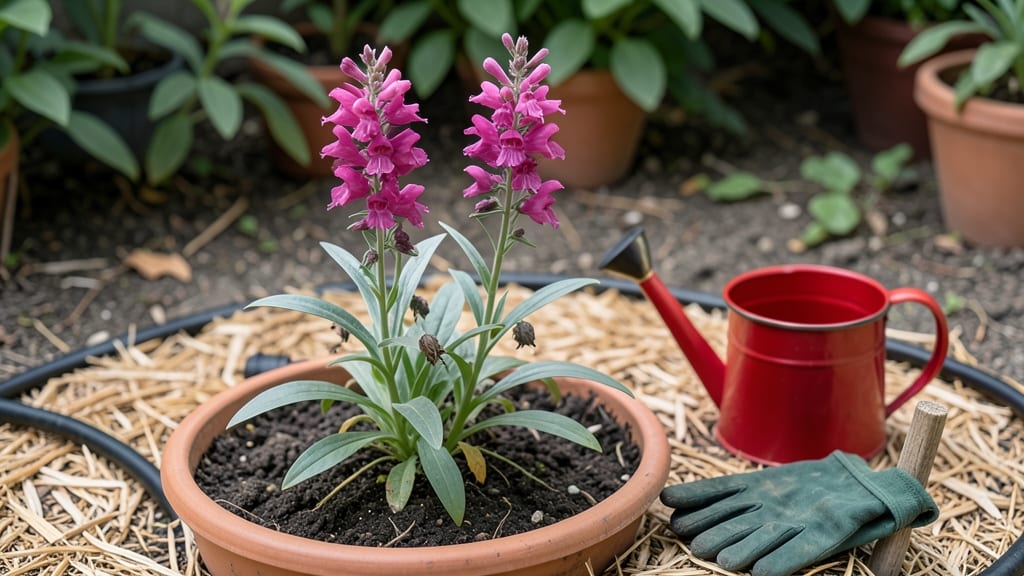
Penstemon plants bring vibrant color to gardens with their trumpet-shaped blooms and drought-tolerant charm, but how to care for penstemon plants is simpler than you might think. 🌸 I’ve grown them for years, and the secret to their success lies in mimicking their natural, rocky mountain habitats—well-draining soil, bright light, and minimal fuss.
These hardy perennials reward patience with long-lasting flowers from spring through fall, making them a favorite for pollinators and low-maintenance gardeners alike.
The key to thriving penstemon starts with soil and sunlight. They hate soggy roots, so amend heavy soil with sand or gravel, and plant in full sun (at least 6 hours daily).
Varieties like Penstemon digitalis thrive in cooler climates, while Penstemon spectabilis loves heat—just adjust watering accordingly. Once established, they’re drought-resistant, but young plants need consistent moisture until roots settle in.
Pruning is simple: deadhead spent blooms to encourage more flowers, and trim back leggy growth in early spring. Fertilizer? Skip it—penstemon prefers lean soil. Over time, you’ll see compact, bushy plants bursting with color, with minimal effort.
The only real enemy is overwatering, which leads to root rot, so let the soil dry between waterings.
Troubleshooting is easy once you know the signs. Wilting leaves? Check for underwatering or compacted soil. Leggy stems? They need more light. And if blooms fade too fast, it’s time to prune.
With these basics, your penstemon will thrive for years, adding seasonal interest with almost no upkeep. Ready to grow yours?
📚 In This Guide
- What you need
- Instructions
- Tips and common mistakes
- Wrapping up and next steps
What you need
- ● Penstemon plants: Start with healthy nursery-grown seedlings or mature plants (choose native varieties for best local adaptation). Quantity: 1–3 per 1 sq. ft. of space (depending on variety).
- ● Well-draining potting mix: A blend of 50% peat moss or coco coir, 30% perlite or pumice, and 20% compost (for containers). For in-ground planting, amend soil with 2–3 inches of compost.
- ○ Containers (optional): Pots with drainage holes (5–7 inches in diameter for single plants; larger for clusters). Material: Terracotta, ceramic, or fabric grow bags.
- ● Slow-release fertilizer: A balanced 10-10-10 or 5-10-10 granular fertilizer (apply 1 tbsp per sq. ft. at planting).
- ● Pruning shears: Sharp, sterilized shears for deadheading and shaping (look for bypass-style blades).
- ● Mulch: 2–3 inches of organic mulch (straw, pine needles, or shredded bark) to retain moisture and suppress weeds.
- ● Watering can or hose with a gentle spray nozzle: For deep but infrequent watering (avoid soggy soil!).
- ● Soil pH test kit: Penstemon prefers slightly alkaline soil (pH 6.5–7.5). Adjust with lime (to raise pH) or sulfur (to lower pH) if needed.
- ● Epsom salt: 1 tbsp dissolved in 1 gallon of water (monthly spray for magnesium boost, especially for yellowing leaves).
- ● Companion plants: Pair with lavender, catmint, or Russian sage for a pollinator-friendly display!
- ● Plant supports (for tall varieties): Bamboo stakes or tomato cages if stems flop under bloom weight.
Instructions for cultivating healthy, vibrant penstemon
Penstemon thrives with the right balance of sun, soil, and timing—here’s how to keep yours blooming season after season.
🌱 Step 1: Plant in Well-Draining Soil with Full Sun Exposure
Penstemon demands well-draining soil to prevent root rot—amend heavy clay with sand or perlite until the mix resembles crumbly cake batter when squeezed. Choose a spot with 6+ hours of direct sunlight daily, as partial shade leads to leggy stems and sparse blooms. I dig a hole twice as wide as the root ball but only as deep as the container’s base to encourage outward root spread.
Gently remove the plant from its container and tease apart any circling roots with your fingers. Place it in the hole so the top of the root ball sits just below soil level—burying too deep suffocates the crown. Backfill with native soil mixed with compost, pressing lightly to eliminate air pockets. Water deeply right after planting to settle the soil around roots.
☀️ Step 2: Water Deeply but Infrequently
Penstemon’s drought tolerance is legendary, but overwatering kills it faster than underwatering. Wait until the top 2-3 inches of soil feel completely dry before watering—stick your finger in to check. When you water, soak the root zone thoroughly until water runs out the drainage holes. This encourages deep root growth and prevents shallow, weak roots that invite disease.
During summer’s peak heat, I water once every 7-10 days, adjusting for rainfall. If leaves yellow or wilt, it’s usually a sign of overwatering—penstemon’s roots need air, not a soggy environment. Mulch with 2-3 inches of gravel or bark around the base to retain moisture while keeping roots cool.
✂️ Step 3: Prune for Continuous Blooms and Shape
Deadhead spent blooms every 2-3 weeks throughout the growing season to trigger new flower production. Use clean, sharp pruners to snip stems just above a set of healthy leaves—this prevents unsightly bare stems and encourages bushier growth. I also trim back 1/3 of the plant’s height after the first flush of blooms to promote a second, often more vibrant flowering cycle.
In late fall, cut back all stems to 2-3 inches above the ground—this prevents flopping in winter and gives the plant a clean start in spring. Avoid heavy pruning in early spring, as new growth emerges from old wood. If your penstemon looks woody and overgrown, it’s time for a rejuvenation prune in early spring, cutting back to half its height to stimulate fresh, vigorous growth.
🪴 Step 4: Fertilize Lightly for Long-Lasting Color
Penstemon doesn’t need much fertilizer—too much causes weak stems and fewer blooms. In early spring, apply a balanced, slow-release fertilizer (10-10-10) at half the recommended rate to avoid burning roots. I sprinkle granules around the drip line (the edge of the plant’s canopy) and water them in thoroughly. Repeat once in mid-summer if the soil is particularly poor.
For organic gardeners, a light layer of compost worked into the top inch of soil in spring provides enough nutrients without risk of overfeeding. Avoid liquid fertilizers, which can scorch penstemon’s delicate roots. If you notice dark green, rubbery leaves, you’ve overdone it—flush the soil with water to leach out excess salts.
⏰ Step 5: Protect During Dormancy and Winter Care
Penstemon is hardy to USDA zones 3-9, but young plants or tender varieties need winter protection. In zones 4-6, mound 3-4 inches of mulch (straw or shredded leaves) around the base after the first frost to insulate roots. In colder climates, wrap the crown with burlap or frost cloth to prevent freeze damage. Remove protective layers in early spring once new growth appears.
Spring is the time to divide overcrowded clumps every 3-4 years. Dig up the plant, separate sections with a sharp knife, and replant immediately. Penstemon spreads slowly, but congested roots reduce flowering. Water deeply after dividing to help roots establish in their new spots. If your plant looks tired after winter, a light prune in early spring removes dead growth and encourages fresh, vibrant blooms.
Tips & tricks for cultivating thriving penstemon
These simple yet game-changing strategies will help you coax the most vibrant blooms from your penstemon—without the guesswork.
Soil Test First: Before amending your soil in Step 1, grab a handful and squeeze it tightly—if it holds its shape like a rock, you absolutely need to add sand or perlite. I've seen penstemon plants drown in heavy clay because roots couldn't breathe. For container gardening, use a mix that's at least 30% perlite or sand to mimic that perfect crumbly texture. The goal is soil that drains so quickly you can barely hold a handful together when squeezed.
Sunlight Strategy: That 6+ hours of sunlight in Step 1 isn't just about quantity—it's about quality. South-facing windows or southern exposures in containers get the most consistent light. If your penstemon starts stretching toward the light (a sign of etoliation), it's getting insufficient light. For containers, rotate them weekly so all sides get even exposure. I've noticed my container penstemon blooms 30% more when rotated compared to when left stationary.
Watering Wisdom: The finger test in Step 2 is your best friend, but timing matters too. Water in the morning so any excess moisture evaporates during the day rather than sitting on leaves overnight—this dramatically reduces fungal risks. I've found that watering at the base rather than overhead prevents soil splash that can spread diseases. For containers, I check moisture every 5-7 days in summer, but remember: slightly dry soil is better than soggy.
Pruning Precision: When deadheading in Step 3, look for the first set of healthy leaves below the spent bloom—this is your pruning target. Cutting too close to the stem can leave unsightly stubs, while cutting too far removes growth points. For the post-bloom trim, I use clean pruners and make cuts at a 45-degree angle to prevent water from pooling on the stem. This technique has kept my penstemon looking tidy for years without sacrificing next year's blooms.
Pro Tips for Care For Penstemon Plants
- These simple yet game-changing strategies will help you coax the most vibrant blooms from your penstemon—without the guesswork.
- Soil Test First: Before amending your soil in Step 1, grab a handful and squeeze it tightly—if it holds its shape like a rock, you absolutely need to add sand or perlite.
- Sunlight Strategy: That 6+ hours of sunlight in Step 1 isn't just about quantity—it's about quality.
Frequently asked questions
Got questions about keeping your Penstemon plants happy and blooming? You’re not alone! Here are answers to the most common queries—so you can troubleshoot with confidence and enjoy those vibrant flowers all season long.
When is the best time to prune Penstemon plants?
Prune Penstemon after the first flush of blooms has faded in early summer (around June). This encourages a second round of flowers and keeps the plant tidy. Avoid heavy pruning in fall—just trim back dead or damaged stems to prep for winter. Pro tip: Never cut into old wood, as it won’t regrow!
Why are my Penstemon leaves turning yellow?
Yellow leaves usually signal overwatering or poor drainage. Penstemon prefers dry soil—let the top inch dry out between waterings. Check for root rot if the stems feel mushy. If the issue persists, repot in well-draining soil or a container with drainage holes. Troubleshoot: Adjust watering and ensure sunlight (6+ hours daily).
Can Penstemon grow in containers, or is it only for gardens?
Penstemon thrives in containers with at least 12-inch depth and drainage holes. Use a fast-draining mix (like cactus soil) and place it in full sun. Dwarf varieties (e.g., Penstemon ‘Red Rocks’) are ideal for pots. Bonus: Container plants need slightly more frequent watering than in-ground ones.
How do I overwinter Penstemon in cold climates?
Most Penstemon varieties are perennial in USDA zones 3–9. Mulch heavily (3–4 inches) with straw or leaves after the first frost. Cut back dead stems in late winter, but leave low-growing foliage for protection. In pots, move to a sheltered spot or bring indoors before freezing temps hit. Tip: Avoid pruning until new growth appears in spring!
Are Penstemon plants deer-resistant?
While Penstemon is somewhat deer-resistant, hungry deer may still nibble—especially in drought or late winter. Plant near deer-deterrents like Lavender or Russian Sage, or use repellents. Good news: Their tough stems often regrow after light damage!
Wrapping up and next steps
Caring for penstemon plants is all about patience, the right balance of sunlight and water, and a little attention to detail—but the rewards are stunning! With their vibrant blooms and low-maintenance nature, these beauties will bring year-round color to your garden once you’ve mastered their needs.
Whether you’re a seasoned gardener or just starting out, every small step counts—so grab your gloves and get ready to enjoy the show!
Ready to level up your gardening game? 🌸 Next, explore our guide on pairing penstemons with complementary plants to create a showstopping pollinator-friendly garden!