
How To
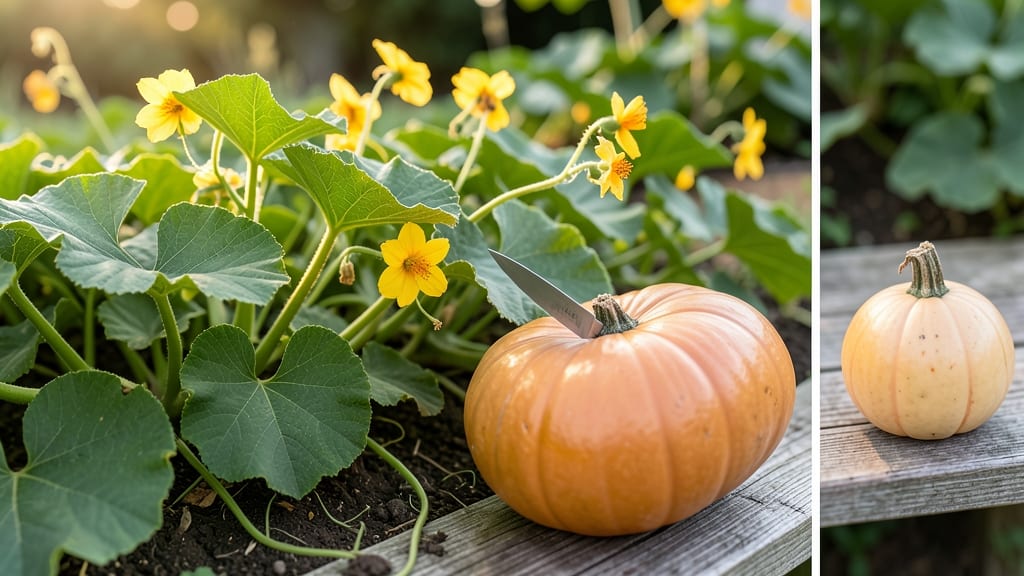
Choosing a ripe butternut squash 🎃 can make all the difference between a sweet, flavorful harvest and a bland disappointment. Whether you're picking from your garden or the farmers' market, knowing the key signs of ripeness saves you from wasted effort and money.
The secret isn't just looking—it's feeling. A perfectly ripe butternut squash has a firm stem that doesn't wilt, skin that's hard enough to resist a thumbnail, and a satisfyingly heavy weight for its size. These simple tactile tests take just seconds but ensure you bring home the best possible squash.
I’ve tested dozens of squash over the years, and these methods never fail. You’ll learn how to spot the ideal squash every time, whether it’s fresh from your vines or selected at the store. Let’s dive into the easiest tricks to master this garden staple.
Once you’ve picked the perfect one, storing it properly keeps it fresh for months. But first, you’ve got to get it right—so let’s start with those 3 foolproof tests that guarantee success.
3 Tactile tests to identify a perfectly ripe butternut squash
Butternut squash ripeness isn’t just about color—it’s about feel. A ripe squash should pass these three tactile tests to guarantee sweet, flavorful flesh. Whether you’re harvesting from your garden or selecting at the market, these simple checks take seconds but save you from tough, underripe, or overripe disappointment.
First, focus on the stem end. A ripe butternut squash will have a dry, woody stem that snaps easily when bent. If the stem feels soft or still green, the squash isn’t ready. This is your first clue that the squash has fully matured and stopped growing.
Next, examine the skin texture. Run your fingers over the surface—ripe squash should feel smooth but firm, almost like a hard-shelled nut. If the skin is bumpy or overly soft, it’s either underripe or overripe. A slight sheen or matte finish (not shiny) is ideal.
Now, pick up the squash and assess its weight. A ripe butternut squash should feel heavy for its size, almost like lifting a small watermelon. If it feels light or hollow-sounding when tapped, it’s likely underripe.
This weight confirms the squash has developed its full starch content, which translates to sweeter flavor.
Pro tip: Tap the squash gently with your knuckles. A ripe squash will produce a deep, hollow thud, while an underripe one sounds dull or flat. This acoustic test works surprisingly well and is a favorite trick among experienced gardeners.
For gardeners harvesting their own squash, time your pick carefully. Butternut squash typically ripens between 80 to 120 days after planting, depending on your climate. If you’re in a shorter growing season, prioritize squash that pass these tests over those still green or too soft.
Once you’ve confirmed ripeness, store your squash in a cool, dry place (like a pantry) where it can last for 2-3 months. Avoid refrigeration until you’re ready to use it, as cold temperatures can degrade its flavor over time.
Remember, the best butternut squash is one that’s ripe at harvest, not one that ripens later. These tactile tests ensure you skip the guesswork and enjoy squash at its peak sweetness and texture.
🌱
3 Tactile tests to identify a perfectly ripe butternut squash
When selecting a butternut squash, don’t rely solely on color—tactile tests reveal true ripeness. A ripe squash should feel firm yet slightly heavy for its size, with a dry, woody stem that snaps easily when bent.
These physical cues guarantee sweetness and longevity, whether you’re harvesting from your garden or picking at the market.
Start by examining the stem end. A ripe butternut squash will have a completely dry, papery stem that’s detached or crumbly to the touch. If the stem is still green or moist, the squash isn’t fully mature yet. This simple check alone can save you from underripe, bland-tasting squash.
Press the stem end—it should feel hard and dry. If it’s soft or still attached with green tissue, the squash isn’t ripe.
Press your thumbnail into the skin—it should not puncture easily. A ripe squash resists pressure, while an overripe one yields like a ripe avocado.
A ripe butternut squash feels heavy for its size due to concentrated sugars. If it feels light, it’s likely underripe or hollow inside.
For extra assurance, tap the squash gently—a hollow sound means it’s overripe, while a thud confirms ripeness. Avoid squash with soft spots, bruises, or a musty smell, as these signal spoilage.
Pro tip: Store your perfectly ripe squash in a cool, dry place (like a basement) to extend freshness for months.
Mastering these three tactile tests ensures you always pick butternut squash at peak flavor and texture, whether you’re roasting it for dinner or storing it for winter. The next time you’re at the market, trust your hands—they’ll guide you to the sweetest squash!