
Pruning
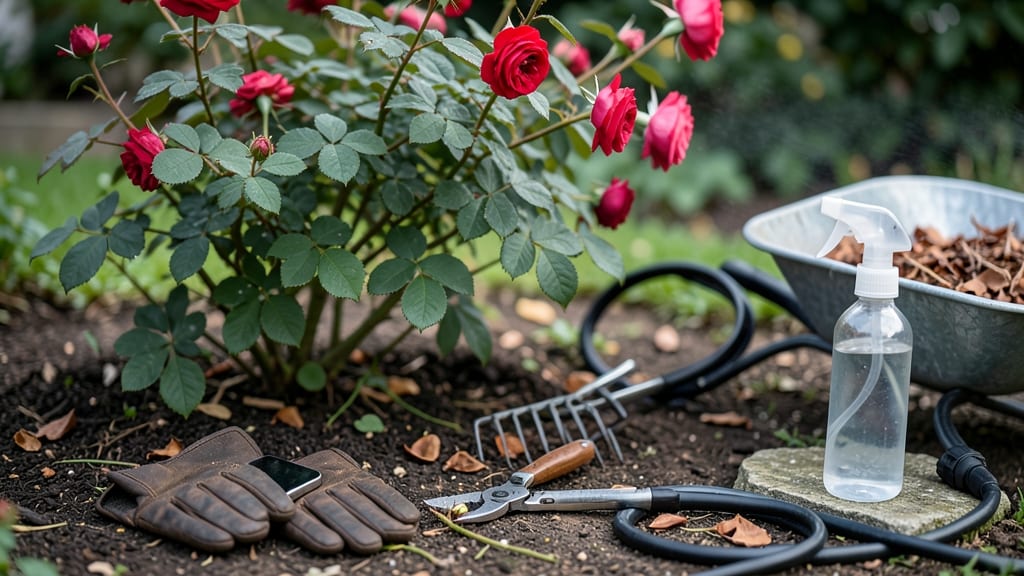
Wilted roses don’t have to mean the end of their beauty. 🌹 A simple soak and gentle clean can revive them—no harsh chemicals needed.
I’ve spent years bringing roses back to life after storms, pests, or just the wear of summer, and this method works every time without damaging the plant. The secret lies in three easy steps: removing dead debris, giving them a refreshing rinse, and sanitizing tools to prevent disease.
Most people overlook the tool prep, but that’s where mildew and sap buildup start. A quick spray with water and a wipe with rubbing alcohol keeps everything fresh and safe. You’ll end up with roses that look like they just opened, their petals crisp and free of dust or pests.
The best part? This process takes just 10-15 minutes and can be done weekly during peak bloom or after heavy rain to keep them thriving. Works for hybrid teas, floribundas, and even old garden roses. Let’s get those blooms sparkling again—without stressing the plant.
📚 In This Guide
- What you need
- Instructions
- Tips and common mistakes
- Wrapping up and next steps
What you need
- ● Fresh, cool water: Fill a clean vase or large bowl with room-temperature or slightly chilled water (about 2–3 inches deep for a standard bouquet).
- ● Floral preservative: A commercial floral food packet (like Floralife) or a DIY mix (1 tsp sugar + 1 tsp bleach + 1 tsp white vinegar per quart of water).
- ● Sharp pruning shears or clean scissors: Use sterilized tools (wipe with rubbing alcohol) to trim stems at a 45-degree angle.
- ● Bucket or sink: For soaking wilting roses (if needed), use a clean container with 1–2 inches of water.
- ● Soft cloth or paper towels: For gently patting dry stems or wiping leaves.
- ● New vase or clean container: Choose one that’s proportionate to your bouquet (not too wide or narrow).
- ● Hydrogen peroxide (3%): Add 1–2 drops to water to disinfect and remove bacteria from stems.
- ● Aspirin (1/4 tablet crushed): Toss it into the water to slow bacterial growth and extend vase life.
- ● Floral foam: If your vase doesn’t hold stems well, use fresh foam soaked in preservative solution.
- ● Rubbing alcohol (70% isopropyl): For quick stem sterilization before trimming.
- ○ Leaf stripper (optional): Helps remove lower leaves that would rot in water.
Step-by-step instructions for reviving wilted roses
Here's how I bring roses back to life—no harsh chemicals, just a simple soak and a little TLC.
💧 Step 1: Trim Damaged Stems and Leaves
Start by inspecting each stem for brown, mushy spots or blackened areas—these are dead zones that won’t recover. Use clean, sharp pruners to cut ½ inch above the damaged section. This prevents rot from spreading to healthy tissue. I always sterilize my pruners with rubbing alcohol between cuts to avoid introducing bacteria.
Next, remove any wilted or yellowed leaves. You’ll notice the stems feel lighter and sturdier once you’ve cleared away the dead weight. Don’t worry about leaving a few small leaves—they’ll help the rose focus its energy on reviving the blooms.
🌿 Step 2: Prepare the Reviving Soak
Fill a clean bucket or basin with lukewarm water (never hot—it shocks the stems). Add 1 tablespoon of white vinegar to lower the pH slightly, which helps the stems absorb water more efficiently. You can also toss in a handful of ice cubes to keep the water cool while the roses soak.
Place the trimmed stems into the water, making sure the cut ends are fully submerged. If your roses are particularly wilted, they might float at first—just press them down gently. Let them soak for 15-20 minutes. This hydrates the stems and kickstarts the revival process.
☀️ Step 3: Trim Stems Underwater and Rehydrate
Here’s the trick: while the stems are still submerged, recut the bottom ½ inch off each stem at a 45-degree angle. This fresh cut exposes new cells that can drink up water instantly. Keep the stems underwater while you do this—it prevents air bubbles from blocking the vascular system.
After trimming, transfer the roses to a fresh vase filled with room-temperature water. Add a drop of liquid floral preservative if you have it, or a pinch of sugar to give them a quick energy boost. Place the vase in a spot with bright, indirect light—direct sun can stress newly revived blooms.
🌱 Step 4: Monitor and Refresh Daily
Watch for the stems to perk up within 4-6 hours. You’ll see the petals start to lift and the buds firm up. Change the water every 1-2 days to keep it fresh, and trim the stems again under water if they begin to wilt again. This ensures they’re always drinking up clean, oxygen-rich water.
If your roses still look droopy after 24 hours, they might need a stronger treatment. Try adding 1 teaspoon of bleach per gallon of water for 10 minutes to disinfect the stems, then rinse thoroughly before placing them back in fresh water. Most roses bounce back beautifully with this method.
⏰ Step 5: Extend Their Life with Proper Care
Once your roses are revived, keep them thriving by changing the water every 2-3 days and adding a fresh cut to the stems every few days. Avoid placing them near ripening fruits or strong odors—ethylene gas (the stuff that makes fruit ripen faster) can cause petals to drop prematurely.
For a longer-lasting display, mist the blooms lightly with water in the morning to keep petals hydrated. You’ll notice they stay vibrant for 5-7 days instead of just a few. This method works for cut roses, garden roses, and even those sad-looking bouquets from the grocery store.
Tips & tricks for reviving wilted roses
Here's what nobody tells you about bringing roses back to life—these little details make all the difference.
Tool Prep: Sterilizing your pruners between cuts is non-negotiable. I learned this the hard way after my roses developed bacterial spots from contaminated tools. Wipe them with rubbing alcohol between each cut—it takes 10 seconds but prevents weeks of frustration. For extra peace of mind, boil your pruners for 5 minutes before you start if you're working with particularly dirty stems.
The Soak Secret: That 15-20 minute soak isn't just hydration—it's about creating the perfect environment. The lukewarm water should feel like a warm bath, not a sauna. If your water feels cool to the touch, add a few more ice cubes. The vinegar does more than just lower pH—it acts like a mild disinfectant, keeping those stems clean while they drink up water. Don't skip this step, even if your roses look "almost fine"—it's the difference between temporary perk-up and lasting revival.
Underwater Trim Technique: The 45-degree angle cut while submerged isn't just about aesthetics—it's about physics. This angle creates more surface area for water uptake while preventing air bubbles from forming in the stem's vascular system. Here's the pro move: after your initial cut, give the stems a gentle swirl in the water to help dislodge any air pockets before transferring to your vase. This simple action can add 24-48 hours to your roses' lifespan.
Lighting Matters: Bright indirect light is your new best friend during the revival process. East-facing windows are perfect—they provide gentle morning light without the harsh afternoon sun. If you don't have natural light options, a simple LED grow light on low setting works beautifully. The key is to avoid direct sunlight during the first 24 hours, as it can cause the petals to overheat and wilt again. Think of it like giving your roses a gentle spa day after their rough patch.
Pro Tips for Clean Roses
- Here's what nobody tells you about bringing roses back to life—these little details make all the difference.
- Tool Prep: Sterilizing your pruners between cuts is non-negotiable.
- The Soak Secret: That 15-20 minute soak isn't just hydration—it's about creating the perfect environment.
Frequently asked questions
Got questions about cleaning roses?
Here are answers to the most common ones—so you can revive your blooms like a pro!
How often should I clean my roses?
Clean roses every 1–2 weeks during peak blooming seasons (spring to fall) or whenever you notice dust, debris, or wilting. After rain or storms, check for mud or pests and rinse gently. Over-cleaning can stress the plant, so balance is key!
Can I clean roses in direct sunlight?
Nope! Always clean roses in the early morning or late afternoon to avoid sunburn or shock. Direct sunlight can dry out petals too quickly, making them brittle. A shady spot with indirect light is ideal for soaking and drying.
What if my roses look worse after cleaning?
If blooms appear more wilted or discolored post-cleaning, you may have over-handled them. Try these fixes:
- Trim damaged petals with clean scissors.
- Soak stems in room-temperature water for 1–2 hours.
- Mist lightly with water and place in a cool, humid spot (like a bathroom).
Can I clean roses with rainwater instead of tap water?
Rainwater is gentler and chemical-free, making it perfect for roses. Just ensure it’s not acidic (test with pH strips if possible) and avoid collecting from roofs treated with pesticides. For extra care, let it sit for 24 hours to settle dust.
How do I remove pests while cleaning?
Use a neem oil spray (mix 1 tsp neem oil + 1 tsp mild soap + 1 quart water) or a soft brush to dislodge aphids, spider mites, or thrips. Spray undersides of leaves (where pests hide!) and rinse thoroughly. Repeat every 5–7 days until pests vanish.
Will cleaning roses help them last longer in vases?
Yes! Cleaning removes bacteria and debris that clog stems, so roses stay fresh 2–3x longer in vases. After cleaning, trim stems at a 45-degree angle and place in lukewarm water with a flower food packet. Change water every 2–3 days for maximum longevity.
Wrapping up and next steps
Cleaning roses doesn’t have to be a daunting task—with the right techniques, you can revive wilted blooms and keep your garden thriving! Whether you’re tackling dusty petals, pests, or grime, a gentle soak and proper care will make all the difference.
Your roses deserve that extra love, and now you’ve got the know-how to give it to them.
Ready to see those blooms really shine? Try your hand at cleaning a few stems today—you’ll be amazed at how refreshed they look! For even more tips, explore seasonal rose care guides to keep your garden blooming beautifully year-round. 🌹✨