Propagation
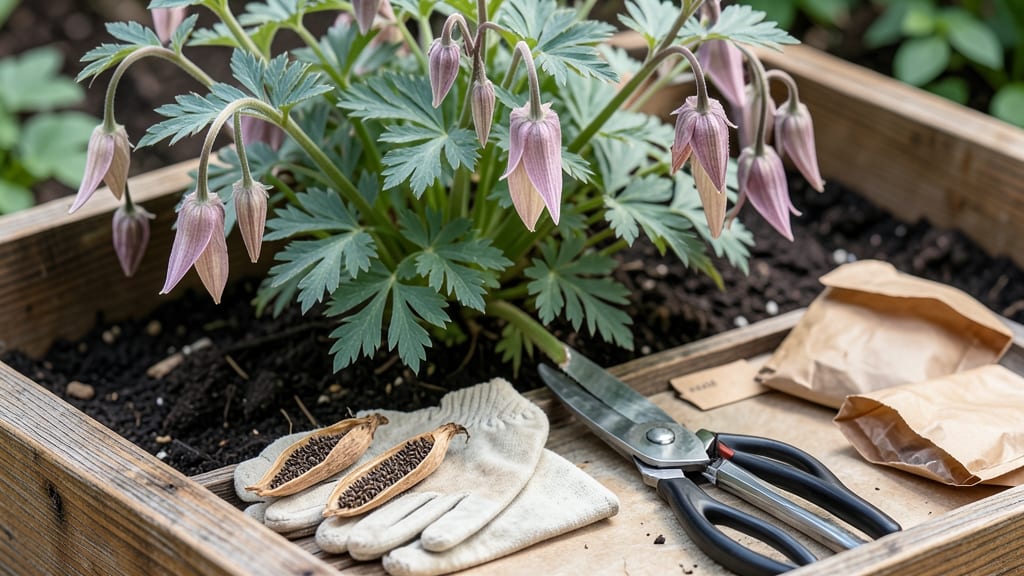
How to collect columbine seeds—the moment you spot those strange, dried pods turning brown and papery is your cue. Harvest too early, and you'll end up with seeds that won't germinate. Too late, and the pods pop open on their own, scattering seeds everywhere. What you need is simple: sharp scissors, a paper bag, and a sunny spot to dry pods before storing. I learned the hard way that skipping the drying step leads to moldy seeds—so patience here pays off. Those pods split open dramatically when fully dry, revealing glossy black seeds inside. Once you've collected them, store seeds in a cool, dry place for up to two years. The key is waiting for that perfect moment when pods are crisp but haven't burst yet—then you'll have seeds ready for next spring's garden. This method works for all columbine varieties, from delicate Aquilegia to hardy cottage garden favorites. The secret's in those timing cues—watch for the color change, and you'll never miss the harvest again.
📚 In This Guide
- What you need
- Instructions
- Tips and common mistakes
- Wrapping up and next steps
What you need
- ● Ripe columbine seed pods: Harvest only when pods are fully dry and brown (they’ll pop open on their own—don’t rush it!). Aim for 5–10 mature pods per plant for a good seed yield.
- ● Pruning shears or clean scissors: Sharp, sterilized tools (rubbing alcohol wipe) to avoid damaging stems or spreading disease. Size: Small-handled for precision.
- ● Paper bags or breathable mesh bags: 2–3 medium-sized bags (12x15 inches) to collect seeds without crushing them. Pro tip: Avoid plastic—it traps moisture!
- ● Labeling tags & permanent marker: Write the date, plant variety, and location on each bag to track seeds.
- ○ Tweezers or small spoon: For gently scooping seeds from pods (optional but helpful for delicate varieties).
- ● Drying tray or cardboard box: A flat, clean surface to spread pods for 1–2 weeks of air-drying in a cool, dry spot (50–70°F).
- ● Seed storage containers: Airtight jars or envelopes with desiccant packets to keep seeds viable for 2–3 years.
- ● Magnifying glass: For inspecting pods/seeds for pests or damage.
- ● Gloves (nitrile or cotton): If you’re sensitive to plant sap or handling spiky pods.
- ● Camera or sketchbook: Document the plant’s growth stages for future reference!
Step-by-step instructions for collecting columbine seeds
Timing and patience are everything when harvesting these delicate pods—here’s how to do it right.
Identify Mature Seed Pods
Columbine seed pods mature in late summer to early fall, turning from green to a dry, papery brown. Look for pods that have split open slightly at the seams—this signals they’re ready. The pods should feel light and hollow when gently tapped, indicating the seeds inside are fully developed.
Harvest only when the pods are completely dry. If you pick them too early, the seeds won’t be viable. Avoid pods that are still green or have moisture inside—these won’t produce good seeds. A good rule of thumb: if the pod pops open when you squeeze it gently, it’s ready.
Collect Pods at the Right Time
Early morning is ideal for harvesting because the pods are least likely to have released seeds overnight. Use clean, sharp scissors or pruning shears to snip the stems just above the pod. Be careful not to damage the plant—columbine is a perennial and may bloom again next year.
Place the harvested pods in a paper bag or open mesh bag to allow airflow. Avoid plastic bags, as they trap moisture and can cause the pods to rot. Store them in a dry, shaded spot indoors until they’re fully dried out—this usually takes about 3-5 days, depending on humidity levels.
Extract Seeds from Dried Pods
Once the pods are completely dry, they’ll begin to split open on their own, releasing the seeds. To speed up the process, gently crush the pods between your fingers or tap them lightly on a clean surface. The seeds will scatter—collect them with a small brush or by placing the pods over a sheet of paper.
Separate the seeds from the chaff by winnowing—simply hold the seeds over a bowl and blow gently. The lighter chaff will blow away, leaving the heavier seeds behind. Store the clean seeds in a labeled envelope or small jar in a cool, dry place. They’ll remain viable for 2-3 years if kept dry.
Plant or Store Seeds for Future Use
If you’re planting immediately, sow the seeds directly in well-draining soil in early fall or late winter. Columbine seeds need cold stratification to germinate, so planting them outdoors in the fall mimics natural conditions. Press them lightly into the soil—no need to cover them, as light aids germination.
For later planting, store the seeds in a sealed container with a desiccant packet (like silica gel) to prevent moisture buildup. Label the container with the date and variety, if known. When ready to plant, soak the seeds in water for 12 hours before sowing to soften the hard outer coating and improve germination rates.
Tips & tricks for perfect columbine seed collection
Here's what nobody tells you about harvesting these delicate pods without losing a single seed.
Harvesting Timing: Early morning is your golden window—pods are firmest then, reducing the risk of seeds spilling out as you handle them. If you must harvest later in the day, work quickly and store pods immediately in a cool, dry place to prevent premature seed release. I've learned this the hard way after watching seeds scatter across my garden path on windy afternoons.
Pod Storage Wisdom: Those 3-5 days of drying time can feel like an eternity, but rushing it is a recipe for mold. Place pods in a single layer on a mesh screen or paper towel to ensure maximum airflow. Avoid stacking—this creates pockets of trapped moisture that turn pods mushy. If humidity is high, consider using a small fan on low to circulate air gently around them.
Seed Extraction Technique: When crushing pods to release seeds, work over a large sheet of white paper or light-colored fabric—the contrast makes it easier to spot tiny seeds against the chaff. I've found that gently tapping pods with a wooden spoon works better than fingers for those with arthritis or limited dexterity. The key is patience; rushing this step increases seed loss.
Winnowing Made Easy: For best results with winnowing, choose a day with natural breezes—open a window or step outside where wind can assist you. If indoors, use a hairdryer on its lowest setting to create gentle airflow. Remember, you're not trying to blow seeds away completely, just separate them from the lighter chaff. A fine-mesh strainer works well for catching seeds that might blow away during this process.
Pro Tips for Collect Columbine Seeds
- Here's what nobody tells you about harvesting these delicate pods without losing a single seed.
- Harvesting Timing: Early morning is your golden window—pods are firmest then, reducing the risk of seeds spilling out...
- Pod Storage Wisdom: Those 3-5 days of drying time can feel like an eternity, but rushing it is a recipe for mold. Pla...
Frequently asked questions
Got questions about collecting columbine seeds? You’re not alone! Here are answers to the most common queries to help you succeed with your propagation project.
When is the best time to collect columbine seeds?
The ideal time is late summer to early fall (August–September), when the seed pods turn brown and begin to pop open on their own. Wait until the pods are fully dry but haven’t released seeds yet—this ensures viability. Collect them before rain or wildlife gets to them!
How long do columbine seeds stay viable for storage?
Columbine seeds are short-lived—they lose viability quickly! Store them in a cool, dry place (like a sealed envelope in the fridge) for up to 6 months. For best results, sow them fresh or stratify them immediately to break dormancy.
What if my columbine pods don’t open naturally?
If pods stay closed, they’re likely not fully ripe. Try one of these tricks:
- Place them in a paper bag for a few days—the movement may trigger opening.
- Gently squeeze the pod (wear gloves!) to release seeds.
- Check for pests or disease, which can prevent maturation.
Can I collect seeds from hybrid or double-flowered columbines?
Unfortunately, no—hybrid or double-flowered columbines (e.g., Aquilegia ‘Black Barlow’) are sterile and won’t produce viable seeds. Stick to single-flowered, open-pollinated varieties like Aquilegia canadensis or Aquilegia vulgaris for seed collection.
How should I store columbine seeds before planting?
For long-term storage (up to 6 months), follow these steps:
Step
Action
1. Dry
Let seeds air-dry for 1–2 days in a warm, dry spot.
2. Package
Store in a paper envelope (not plastic!) with a desiccant packet to absorb moisture.
3. Refrigerate
Keep in the fridge (35–40°F) until ready to sow.
Pro tip: Label your seeds with the variety and collection date!
Wrapping up and next steps
Collecting columbine seeds is a rewarding way to propagate these stunning wildflowers and share their beauty with your garden—or even with fellow plant enthusiasts! 🌸 With the right timing, patience, and a few simple tools, you can turn those popping seed pods into thriving new plants.
Now that you’re armed with the know-how, why not give it a try this season?
Ready to dive in? Start by reviewing your supplies or browsing common questions to ensure a smooth seed-collecting adventure. Happy gardening! 🌱