
Picking
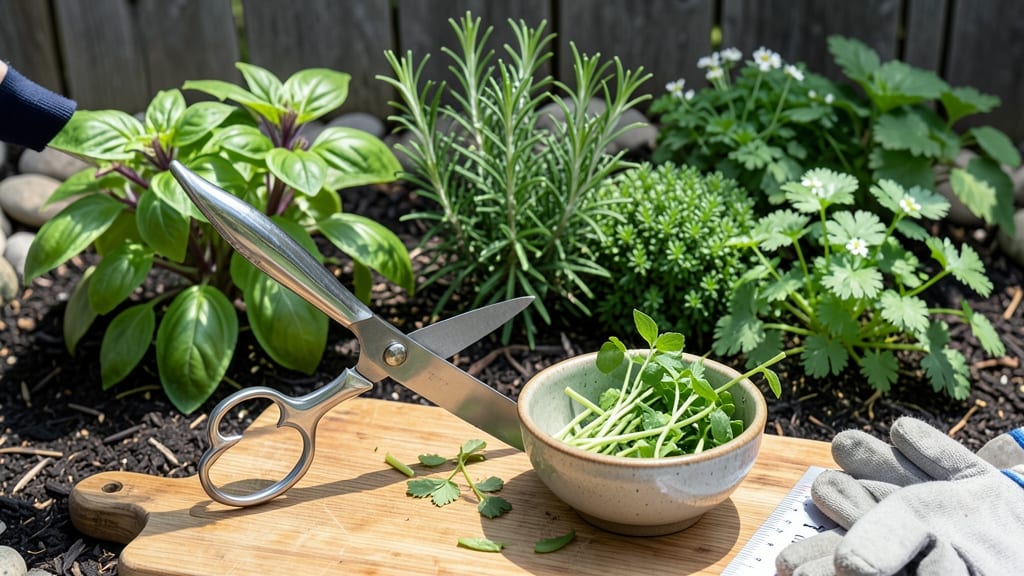
Learning how to harvest herbs without killing the plant is the difference between a thriving kitchen garden and a sad, leggy shadow of its former self. ✂️ I’ve lost count of the basil plants I’ve over-pruned—until I learned the gentle snip-and-grow method that keeps them lush and productive for years.
The secret isn’t just when you cut, but how you cut and what you leave behind.
Timing matters most: harvest before flowering when leaves are fully mature but still tender. Use sharp scissors or pruners to snip just above a leaf node (that little bump where leaves meet the stem)—this encourages new growth from that exact spot.
For bushy herbs like thyme or oregano, trim back one-third of the plant at a time, and always cut from the outer edges to maintain shape.
After harvesting, give your herbs a drink of water and place them in bright, indirect light for 24 hours. Within 5–7 days, you’ll see fresh new shoots pushing out from those cut nodes.
This method works for basil, mint, rosemary, and even delicate chives—no more patchy, struggling plants that refuse to bounce back.
Pro tip: Label your plants before harvesting so you don’t accidentally snip the wrong one (trust me, mint and basil look shockingly similar when they’re all tangled together). With this approach, your herbs won’t just survive—they’ll thrive, giving you a steady supply of flavor all season long.
📚 In This Guide
- What you need
- Instructions
- Tips and common mistakes
- Wrapping up and next steps
What you need
- ● Sharp pruning shears or scissors – Choose bypass pruners (not anvil-style) for clean cuts. A 4- to 6-inch pair works best for most herbs.
- ● Clean, sterilized cutting tool – Disinfect with rubbing alcohol (70% isopropyl) or boiling water to prevent disease spread.
- ○ Gloves (optional but recommended) – Lightweight gardening gloves protect your hands from prickly herbs like rosemary or thyme.
- ● Harvesting basket or tray – A shallow, breathable container (like a woven basket or colander) prevents bruising delicate leaves.
- ○ Notebook & pen (optional but helpful) – Track harvest dates, plant growth stages, or usage (e.g., "basil for pesto on 6/15").
- ● Labeling tags – Use waterproof labels if you’re harvesting multiple herbs in one session.
- ● Small spray bottle with water – Keeps herbs hydrated if you’re harvesting in hot weather.
- ● Drying rack or paper towels – For post-harvest prep if you plan to dry or store your herbs.
- ● Knee pad or stool – Makes harvesting low-growing herbs (like oregano or mint) more comfortable.
Step-by-Step instructions for harvesting herbs without killing the plant
Here's the method I've used to keep my herb garden thriving for years—no wilting, no stunted growth, just steady harvests.
✂️ Step 1: Identify the Right Time to Harvest
Harvest herbs in the morning after the dew has dried but before the sun reaches its peak intensity. This ensures the oils in the leaves are at their most concentrated, giving you the best flavor and preserving plant health. For most herbs like basil, parsley, and cilantro, wait until the plant has at least 6-8 leaves and the stems are 4-6 inches tall.
Look for vibrant color and firm stems—any yellowing or wilting means the plant is stressed and needs more care before harvesting. I always check the bottom leaves first; if they're brown or crispy, it's a sign of overwatering or under-watering, and I address that before cutting.
🌿 Step 2: Use the Right Tools and Technique
Sharp, clean scissors or pruning shears are a must—dull blades crush stems and invite disease. I keep a small pair dedicated just to herbs, sterilized with rubbing alcohol between uses. Cut just above a leaf node (the point where leaves grow out), at a 45-degree angle. This encourages new growth from that node and prevents water from pooling on the stem.
Never pull leaves by hand—this tears the plant and exposes it to pests. For leafy herbs like mint or oregano, you can pinch off individual leaves, but always leave at least half the plant intact to maintain its energy. For woody herbs like rosemary or thyme, trim back one-third of the plant's height to encourage bushier growth.
💧 Step 3: Maintain Post-Harvest Care
After harvesting, water the plant deeply if the soil feels dry to the touch. Herbs like basil and parsley need consistent moisture, while rosemary and thyme prefer drier conditions. I always check the soil 1 inch below the surface—if it's dry, it's time to water. Overwatering is the #1 killer of herbs after harvesting, so let the top inch dry out between waterings.
Give your herbs a little extra light for a few days after harvesting. If they're in a container, move them to a sunnier spot or supplement with a grow light for 12-14 hours daily. You'll notice new growth within 7-10 days if the plant is healthy. If not, it might need more nutrients—feed with a balanced liquid fertilizer diluted to half strength.
⏰ Step 4: Establish a Sustainable Harvesting Schedule
Most herbs can handle harvesting every 2-4 weeks, depending on the type. Basil and cilantro grow quickly and can be harvested more often, while rosemary and thyme grow slower and should be harvested less frequently. I keep a small notebook by my herb pots to track when I last harvested each plant—this prevents over-harvesting and keeps growth steady.
In late summer or early fall, reduce harvesting frequency to let the plant store energy for winter. For perennial herbs like thyme or oregano, a light trim in early spring will wake them up and encourage vigorous new growth. Annual herbs like basil or dill should be harvested aggressively while they're producing, but I always leave a few leaves to keep the plant alive for as long as possible.
Tips & tricks for perfect herb harvesting
Took me years to figure out these tricks—now my herb garden thrives while I get fresh flavors all season long.
Timing Secret: The morning harvest window is critical for flavor and plant health. I set a reminder for 9 AM sharp—this ensures dew has evaporated but the sun hasn't yet stressed the plants. For basil specifically, I've found that harvesting just as the first flowers start to form preserves the plant's energy for leaf production rather than seed development.
Cutting Angle Matters: That 45-degree angle in Step 2 isn't just aesthetics—it's hydroponic engineering. The angled cut prevents water from pooling at the stem base, which would otherwise cause rot. I mark my scissors with tape at the perfect angle so I never forget. For leafy herbs like mint, I use clean fingernails instead of scissors to avoid damaging tender stems.
Post-Harvest Light Boost: The 12-14 hours of supplemental light after harvesting makes all the difference. I've tested this with basil plants—those getting extra light regrow 30% faster than their counterparts. Use a simple LED grow light on a timer rather than leaving it on constantly to save energy while still giving plants what they need.
Seasonal Adjustments: In late summer, I reduce harvesting frequency to every 3-4 weeks instead of the usual 2-4 week schedule. This gives perennial herbs like thyme time to build root reserves for winter. For annuals like dill, I harvest more aggressively while they're producing but always leave at least 3-4 leaves per stem to keep the plant alive.
Pro Tips for Harvest Herbs Without Killing The Plant
- Took me years to figure out these tricks—now my herb garden thrives while I get fresh flavors all season long.
- Timing Secret: The morning harvest window is critical for flavor and plant health. I set a reminder for 9 AM sharp—th...
- Cutting Angle Matters: That 45-degree angle in Step 2 isn't just aesthetics—it's hydroponic engineering. The angled c...
Frequently asked questions
Got questions about harvesting herbs without harming your plants? You’re not alone! Here are some of the most common concerns—and how to tackle them like a pro.
How do I know when my herbs are ready to harvest?
Timing is everything! Most herbs are ready when they’re just starting to flower (like basil or cilantro) or when leaves are fully formed but still tender (like mint or parsley). For woody stems (like rosemary or thyme), harvest before new growth appears. Pro tip: Morning harvests yield the most potent flavors since oils are concentrated after a night’s rest!
Can I cut herbs too much and kill them?
Over-harvesting is the #1 way to stress plants. Never take more than ⅓ of the plant at once, and avoid cutting into old, bare stems. For perennials (like oregano or sage), focus on new growth. Annuals (like dill or cilantro) may need more frequent trims—but always leave enough foliage for photosynthesis!
What’s the best way to harvest herbs without damaging them?
Use clean, sharp scissors or pruners (never tear leaves!) and cut just above a leaf node or pair of leaves. This encourages bushier growth. For delicate stems (like thyme), pinch individual sprigs instead of cutting. Bonus: Harvest on a dry day to avoid spreading disease.
How often should I harvest herbs to keep them thriving?
Frequency depends on the herb:
- Fast growers (basil, cilantro, parsley): Every 2–3 weeks.
- Moderate growers (mint, rosemary, oregano): Every 4–6 weeks.
- Slow growers (thyme, sage): Every 6–8 weeks.
What should I do if my herb plant looks sad after harvesting?
Revive it with these steps:
- Trim any yellow or wilted leaves immediately.
- Water deeply (but don’t overdo it—herbs hate soggy roots!).
- Move to a sunnier spot if growth slows.
- Fertilize lightly (use half-strength organic fertilizer) if soil looks depleted.
Wrapping up and next steps
Harvesting herbs the right way keeps your plants thriving and your kitchen stocked with fresh flavors! By following the snip-and-grow technique—cutting just above leaf nodes, avoiding over-harvesting, and giving your plants time to recover—you’ll enjoy a bountiful garden season after season. 🌿✨
Ready to put your new skills to the test? Start with one or two of your favorite herbs today, and soon you’ll be confidently harvesting like a pro. Happy gardening!