
Pruning
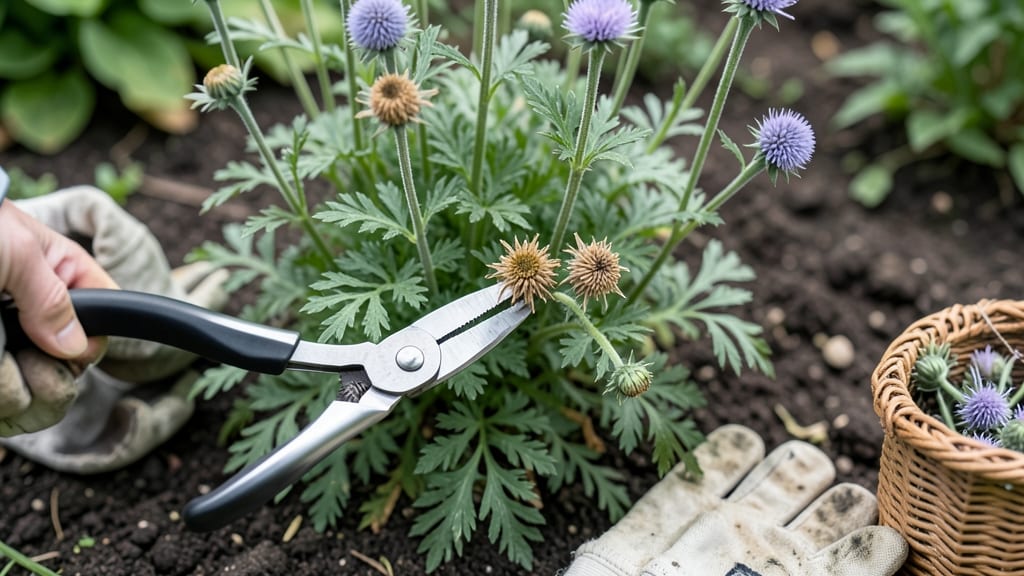
Deadheading scabiosa transforms your garden from a single burst of color to months of nonstop blooms. ✨ I’ve watched my pincushion flowers go from one glorious flush to continuous waves of purple, pink, and blue—all by spending just 10 minutes every few weeks.
The secret? Removing spent blooms before they turn to seed, which tricks the plant into focusing its energy on new flowers instead.
You’ll need clean pruners (or just your fingers), a sunny afternoon, and a little patience. The best time to deadhead is right after the petals fade but before the center turns brown—usually every 2-3 weeks during peak bloom.
Snip just above the next set of buds or leaves to encourage fresh growth. Pro tip: Wear gloves if your plants are prickly (some varieties have sharp stems!).
After deadheading, your scabiosa will bounce back with lush, vibrant regrowth in as little as a week. Give it a light drink of water to recover, and consider a balanced fertilizer to fuel the next round of blooms.
The payoff? A plant that keeps flowering until frost, looking like it just got a second wind every time you trim.
Works for all scabiosa varieties—whether you’re growing the classic Scabiosa columbaria or the taller Scabiosa atropurpurea. The key is consistency, not perfection. Even if you miss a week, your plants will forgive you and keep on blooming. Ready to turn your garden into a pincushion paradise?
📚 In This Guide
- What you need
- Instructions
- Tips and common mistakes
- Wrapping up and next steps
What you need
- ● Pruning shears or sharp scissors: Choose bypass pruners (not anvil) for clean cuts—4- to 6-inch blades work best. Sterilize with rubbing alcohol before and after use to prevent disease spread.
- ○ Gloves (optional but recommended): Wear gardening gloves to protect hands from thorns (especially on Scabiosa columbaria) and dirt.
- ● Bucket or trash bag: A 5-gallon bucket or heavy-duty bag for spent blooms and debris.
- ● Dry, sunny day: Deadhead on a mild, dry morning to avoid soggy stems or fungal risks.
- ● Freshly watered plants: Water Scabiosa 1–2 days before pruning to reduce stress.
- ● Disinfectant spray: Use 70% isopropyl alcohol in a spray bottle for quick tool sterilization.
- ● Compost bin: Toss deadheaded blooms here for nutrient recycling!
- ● Knee pad or stool: For comfort if your Scabiosa is tall or sprawling.
Step-by-Step instructions for deadheading scabiosa
Here's how I keep my pincushion flowers blooming all season—no fancy tools, just a few simple techniques.
✂️ Step 1: Identify the Right Blooms to Remove
Scabiosa produces its signature pom-pom flowers on stems that also develop new buds along the sides. To encourage more blooms, you'll want to remove only the fully spent flowers—those where the petals have flattened and turned brown. Look for stems where the center has lost its round, fuzzy shape and looks more like a flattened disk.
I always start by scanning the plant from top to bottom. The oldest blooms are usually at the bottom of the stem, so I work my way upward. This prevents accidentally cutting off new buds that haven't opened yet. If you're unsure, pinch a tiny section of the spent bloom—if it crumbles easily, it's ready to go.
✂️ Step 2: Pinch or Cut at the Right Spot
For scabiosa, you have two options: pinching with your fingers or using clean pruners. If the stem has multiple spent blooms, pinch it back just above a set of healthy leaves or a new side bud. This encourages branching and more flowers. I like to use my thumb and forefinger to make a clean break—it's faster than pruners and works well for small plants.
If you're using pruners, cut at a 45-degree angle about ½ inch above a leaf node. This prevents water from pooling on the cut and reduces disease risk. Never cut into old, woody stems—scabiosa blooms best when you're always working with the current season's growth.
🌱 Step 3: Encourage New Growth with Post-Deadheading Care
After deadheading, give your scabiosa a light drink of water at the base—this jumpstarts new growth. I always water in the early morning so the foliage dries quickly, which prevents fungal issues. Scabiosa thrives in well-draining soil, so if your garden holds moisture, consider adding a handful of perlite to the planting area.
Watch the plant closely over the next 7-10 days. You'll see new buds forming at the leaf nodes where you made your cuts. If you notice leggy growth (long stems with few leaves), your plant needs more light. Move it to a sunnier spot—scabiosa needs 6+ hours of direct sun daily to produce its best blooms.
⏰ Step 4: Establish a Regular Deadheading Schedule
For continuous blooms, deadhead scabiosa every 5-7 days during peak flowering season (late spring to early fall). I set a reminder on my phone because these plants grow so fast you can miss a cycle between waterings. The key is consistency—don't let more than 20% of the blooms go completely to seed before deadheading.
In late summer, when blooms naturally slow down, reduce deadheading to once every 2 weeks. This allows some flowers to go to seed, which provides food for pollinators and may produce self-sown plants next year. I always leave a few spent blooms on the plant for this reason—it's a simple way to support your local ecosystem.
Tips & tricks for perfect scabiosa deadheading
Here's what I've learned after years of keeping my pincushion flowers blooming longer than ever.
Timing Secret: The 5-7 day deadheading schedule in Step 4 is your golden window for continuous blooms. I've found that if you wait until more than 20% of flowers go to seed, you'll notice a sharp decline in new buds within two weeks. Mark your calendar or set a phone reminder—trust me, these plants grow faster than you think!
Technique Tip: When pinching in Step 2, aim for the spot just above a leaf node or new side bud. This encourages branching, which means more stems and more flowers. I like to do a quick visual check by running my fingers along the stem—you'll feel the slight bump where the leaf node is hiding. It's like finding a secret doorway to more blooms!
Light Factor: Scabiosa needs that 6+ hours of direct sun mentioned in Step 3, but here's the thing: if your plant starts looking leggy (long stems with sparse leaves), it's begging for more light. I've moved mine from partial shade to full sun mid-season, and within a week, the new growth was bushier and the blooms more vibrant. Don't wait until you see problems—prevent them by monitoring light exposure regularly.
Make-Ahead Move: You can actually plan your deadheading around your schedule! If you're going away for a weekend, do a thorough deadheading before you leave, then water deeply. The plant will handle the 7-10 day gap without stress, and you'll return to fresh new buds ready to open. Just avoid letting any blooms go completely to seed during your absence.
Pro Tips for Deadhead Scabiosa
- Here's what I've learned after years of keeping my pincushion flowers blooming longer than ever.
- Timing Secret: The 5-7 day deadheading schedule in Step 4 is your golden window for continuous blooms. I've found tha...
- Technique Tip: When pinching in Step 2, aim for the spot just above a leaf node or new side bud. This encourages bran...
Frequently asked questions
Got questions about deadheading Scabiosa? You’re not alone! Here are answers to the most common ones—so you can keep your pincushion flowers blooming like a pro.
When is the best time to deadhead Scabiosa?
Deadhead Scabiosa as soon as blooms fade—typically in late spring through early fall. For continuous blooms, check flowers weekly (or more often in hot weather). Avoid deadheading in late summer if you want seed heads for winter interest!
How do I know if I’m deadheading correctly?
You’re on the right track if you’re snipping just above the next set of leaves or buds (about ¼ inch up). If you see leggy stems or no new blooms, you may be cutting too far down. Pro tip: Leave 2–3 leaves to fuel regrowth!
Can I deadhead Scabiosa in rain or after heavy watering?
Wait until plants are completely dry—wet stems can rot or attract pests. Morning is ideal! If rain’s in the forecast, deadhead in the early morning so flowers have time to dry before evening moisture sets in.
What if my Scabiosa stops blooming after deadheading?
Over-pruning or poor soil/nutrients could be the culprit. Try fertilizing lightly with bloom booster (half-strength) and ensure full sun (6+ hours/day). If stems look weak, reduce deadheading frequency to let the plant recover.
Are there alternatives to deadheading Scabiosa?
Yes! If you dislike pinching, let some blooms go to seed for next year’s flowers (or birdseed!). For a lazy approach, cut back 1/3 of the plant in early spring—this encourages fresh growth and blooms without constant deadheading.
Wrapping up and next steps
Deadheading Scabiosa is a simple yet rewarding task that keeps your garden blooming beautifully all season long! With just a few minutes of effort—clean tools, a gentle pinch, and a watchful eye—you’ll encourage fresh flowers and stronger stems.
Now that you’re equipped with the know-how, grab those shears and get pruning! 🌸✂️
Ready for even more tips? Explore our guide on maintaining vibrant perennials to keep your garden thriving year after year!