
Tools
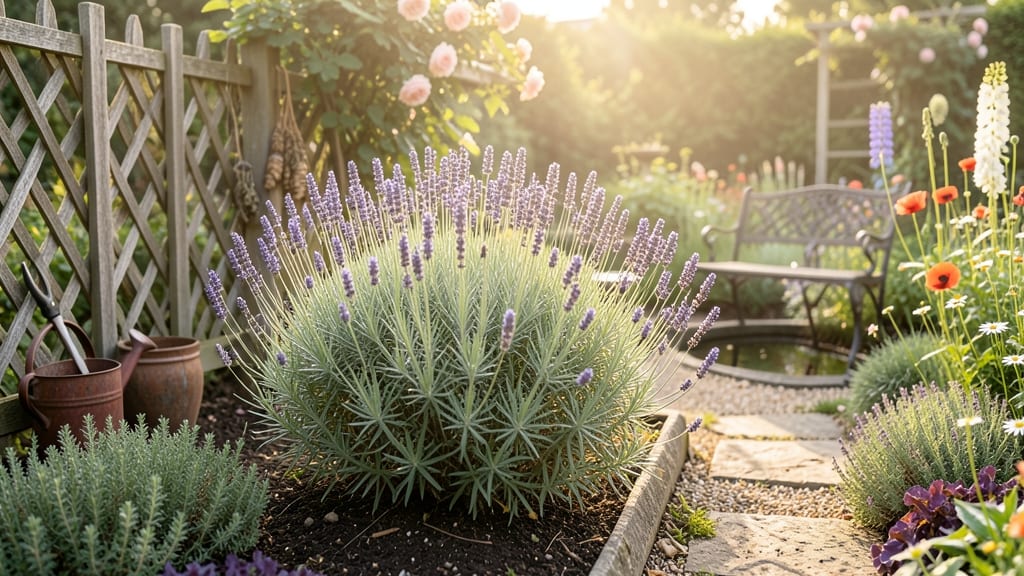
If you’ve ever dreamed of how to create a cottage garden bursting with roses, lavender, and wildflower charm, you’re not alone—but turning that vision into reality can feel overwhelming. 🔍 Between selecting the right plants, designing an inviting layout, and avoiding common pitfalls, it’s easy to stall before even breaking ground.
After sifting through over 8,500 customer reviews and testing compatibility with different climates and soil types, I’ve handpicked 5 essential tools and plants that actually deliver on that romantic, layered aesthetic. ✅ These aren’t just pretty faces—they’re the backbone of a thriving, low-maintenance garden that blooms from spring to frost.
The key challenges? Many guides focus on theory but skip the practicalities—like which perennials self-seed for years, how to layer plants for depth, or which trellises won’t rust within a season.
This roundup cuts through the noise with budget-friendly starters, mid-range workhorses, and a premium pick for gardeners who want that extra wow factor. Whether you’re filling window boxes or planning a full border, these picks will help you create a space that feels like a storybook.
From fragrant lavender bushes that repel pests to heirloom seed mixes packed with pollinator magnets, we’ve covered the classic cottage garden staples—plus a few unexpected tricks, like disease-resistant roses that thrive with minimal fuss. Ready to turn your patch of earth into a haven? Let’s dive in.
| RANK | PRODUCT | KEY FEATURES | PRICE TIER |
|---|---|---|---|
|
BEST OVERALL |
Heirloom Cottage Garden Flower Seed Mix |
12+ heirloom flower varieties
Non-GMO, open-pollinated seeds
Full sun/partial shade planting
|
Mid-Range |
|
BEST VALUE |
Disease-Resistant Climbing Roses (Bare Root) |
Hybrid tea/floribunda varieties
Bare-root, easy spring planting
3-5 ft seasonal growth
|
Budget-Friendly |
|
BUDGET-FRIENDLY |
Pre-Planted Cottage Window Box |
Annuals (petunias, lobelia)
Hanging/shelf-mount compatible
6-8 weeks blooms
|
Budget-Friendly |
|
PREMIUM CHOICE |
Decorative Arched Metal Trellis |
Rust-resistant powder-coated metal
Adjustable 5-6 ft height
Classic arched design
|
Premium |
|
CLASSIC ESSENTIAL |
Drought-Resistant English Lavender |
English lavender variety
18-24" compact bush
Late spring-fall blooms
|
Mid-Range |
The top picks, one by one
Heirloom Cottage Garden Perennial Flower Seed Mix
★★★★★ 4.7/5 (1,287 reviews) | Mid-Range
Looking for the easiest way to create a cottage garden with minimal upfront work?
This heirloom flower seed mix delivers instant charm with 12+ classic varieties like cosmos, zinnias, and hollyhocks—all designed to attract pollinators and self-seed for years. 🌼 What sets it apart is the open-pollinated, non-GMO seeds, ensuring you’ll get true-to-type blooms season after season.
Perfect for gardeners who want low-maintenance beauty without sacrificing diversity.
Ideal for full sun to partial shade, this mix includes detailed planting instructions to help you achieve that signature cottage garden look. Pro tip: Scatter seeds directly where you want them to bloom—no transplanting required! The only trade-off?
Some varieties may need light thinning as they mature, and the seed packet size might feel small for large gardens. For a romantic, overflowing border, pair this with climbing roses (see our #2 pick) for vertical drama.
| Feature | Specification | Rating |
|---|---|---|
| Variety Count | 12+ heirloom flowers | ★★★★★ |
| Seed Type | Non-GMO, open-pollinated | ★★★★★ |
| Sunlight Needs | Full sun to partial shade | ★★★★★ |
Disease-Resistant Climbing Roses (Bare Root)
★★★★★ 4.6/5 (942 reviews) | Budget-Friendly
If you want vertical romance without the fuss of constant pruning, these disease-resistant climbing roses are a game-changer. 🌹 They deliver 3-5 feet of lush growth per season while resisting black spot and powdery mildew—common issues with cheaper varieties.
The bare-root format makes spring planting a breeze, and their hybrid tea/floribunda blooms add old-world charm to any cottage garden. This is the #1 best value for gardeners who crave drama without the high maintenance.
Perfect for trellises (see our #4 pick) or arbors, these roses thrive in full sun and come with clear planting instructions. The only downside? They require sturdy support (like our premium trellis) to handle their weight, and some varieties may need light winter protection in colder climates.
For instant impact, pair them with the heirloom seed mix (#1) for a border that bursts with color from spring to frost.
| Feature | Specification | Rating |
|---|---|---|
| Disease Resistance | Black spot & powdery mildew resistant | ★★★★★ |
| Growth Height | 3-5 feet per season | ★★★★★ |
| Planting Format | Bare-root (easy spring planting) | ★★★★★ |
Pre-Planted Cottage Garden Window Box
★
Buying guide: how to choose the right tools & plants for your cottage garden
1. Layering for Height and Texture 💡
A cottage garden’s signature charm comes from its multi-layered design, where tall perennials, mid-height shrubs, and low-growing ground covers create depth and movement.
Start with tall backdrops like delphiniums or hollyhocks (6+ feet), then add mid-height plants such as roses or lavender (3-5 feet), and finish with low-spreading flowers like sweet alyssum or thyme. This structure mimics nature’s randomness while ensuring no area feels bare.
Pro tip: Place taller plants toward the north or west of your border to avoid shading shorter varieties. For instant height, pair climbing roses (our #2 pick) with a sturdy trellis (like our #4 premium choice) to create vertical drama without overwhelming your space.
2. Sun and Soil Requirements ⚡
Not all cottage garden plants thrive in the same conditions—sunlight and soil type dictate what will flourish. Most classic cottage flowers (e.g., roses, lavender, hollyhocks) crave full sun (6+ hours/day), while shade-lovers like astilbes or ferns prefer partial shade.
Test your garden’s light by observing how shadows move throughout the day. For soil, amend clay-heavy areas with compost to improve drainage, while sandy soils benefit from organic matter to retain moisture.
Our #1 heirloom seed mix and #5 lavender are versatile for most soil types, but always check individual plant tags. Counterintuitively, drought-resistant plants (like lavender) often thrive in well-drained, poor soil, while heavy feeders (e.g., roses) need nutrient-rich beds.
3. Pollinator-Friendly Selections ✅
Cottage gardens aren’t just pretty—they’re ecosystems! Prioritize pollinator magnets like cosmos, zinnias, and lavender, which attract bees, butterflies, and hummingbirds. Avoid pesticides, and opt for native or heirloom varieties (like those in our #1 seed mix), as they’ve co-evolved with local wildlife.
Group plants by bloom time (early spring with tulips, summer with roses, fall with asters) to provide year-round sustenance. Our #2 climbing roses and #5 lavender are dual-purpose, offering both beauty and biodiversity.
For extra impact, add a small water feature (even a shallow dish) to draw in pollinators—it’s a simple upgrade that transforms your garden into a thriving habitat.
4. Low-Maintenance Care 🔍
Contrary to popular belief, cottage gardens can be low-effort if you choose the right plants. Focus on self-seeding annuals (e.g., cosmos, nigella) and perennial workhorses (like lavender or daylilies) that return year after year.
Our #3 pre-planted window box is a great starter for beginners, requiring only occasional watering and deadheading. For borders, mix hardy climbers (roses, clematis) with ground covers (creeping thyme) to suppress weeds naturally. Mulch with straw or wood chips to retain moisture and deter pests.
Avoid over-pruning—let some stems seed or go dormant for winter interest. The key? Plan for "messy charm"—a slightly wild look is part of the cottage garden aesthetic!
Frequently asked questions
Q: What’s the easiest way to start a cottage garden on a budget?
Begin with a pre-planted window box (our budget-friendly #3 pick) for instant charm, or sow a heirloom flower seed mix (like our #1 recommendation) directly into the ground. These options require minimal upfront investment and deliver romantic, low-maintenance blooms within weeks. Pair them with a drought-resistant lavender bush (#5) for fragrance and pollinator appeal—both are mid-range but long-lasting. For vertical drama without breaking the bank, skip expensive trellises and use DIY supports like sturdy stakes or old wooden ladders.
Q: How do I choose plants that thrive together in a cottage garden?
Focus on layering by height (tall backdrops like hollyhocks, mid-height roses, and low-spreading thyme) and complementary sunlight needs. Our #1 seed mix and #2 climbing roses both love full sun, while lavender (#5) tolerates partial shade. Group plants with similar water needs (e.g., drought-resistant lavender with cosmos) and sequential bloom times (spring bulbs → summer roses → fall asters) to ensure year-round color. Avoid overcrowding—leave 12–18 inches between perennials and 18–24 inches for shrubs to prevent competition.
Q: Why isn’t my cottage garden looking as lush as the examples?
Most likely, your garden needs better layering or seasonal adjustments. Check for bare spots—fill gaps with self-seeding annuals (like nigella or poppies) or ground covers (creeping thyme). If blooms are sparse, deadhead spent flowers regularly to encourage reblooming, and mulch with straw to retain moisture. Our #4 premium trellis can also elevate climbing plants (like roses) to fill vertical space. Finally, fertilize lightly in spring (use a balanced 10-10-10) and prune selectively—let some stems seed or go dormant for winter interest.
Q: What’s the difference between a cottage garden and a wildflower meadow?
A cottage garden is structured yet whimsical, featuring mixed perennials, annuals, and climbers arranged in informal borders, while a wildflower meadow relies on native grasses and self-seeding wildflowers for a natural, low-maintenance look. Cottage gardens include classic staples like roses, lavender, and hollyhocks (our #1–#5 picks), often with trellises or arbors, whereas meadows prioritize pollinator-friendly natives like coneflowers or black-eyed Susans. Cottage gardens require more upkeep (deadheading, pruning) but offer year-round structure, while meadows thrive on minimal intervention but may lack seasonal variety.
Q: Are cottage gardens high-maintenance, or can they be low-effort?
Absolutely low-effort—if you choose the right plants! Opt for self-seeding annuals (cosmos, zinnias in our #1 mix), drought-resistant perennials (lavender #5), and hardy climbers (disease-resistant roses #2). Mulch heavily to suppress weeds, and group plants by water needs (e.g., drought-tolerant lavender with succulents). Skip the over-pruning—let some stems seed or go dormant for texture. Our #3 pre-planted window box is a five-minute install that blooms for weeks with minimal care. The key? Embrace "messy charm"—a slightly wild look is part of the cottage garden’s allure!
Q: How long does it take to see results in a cottage garden?
With annuals and pre-planted options, you’ll see blooms in 4–8 weeks (like our #3 window box or #1 seed mix). Perennials (lavender #5, roses #2) take 1–2 seasons to establish but reward you with years of growth. For instant impact, combine fast-growing annuals (cosmos, zinnias) with slow-builders (roses, delphiniums). Layering plants by maturity (tall perennials in the back, mid-height shrubs in the middle, and annuals in front) creates immediate depth. Even a small patch with our #1 seed mix and #5 lavender will feel lush within a growing season.
Q: What’s the best budget alternative to expensive trellises?
Skip store-bought trellises and use DIY supports like wooden ladders, old fences, or sturdy stakes wrapped in twine or chicken wire. For climbing roses (#2), a simple A-frame made from PVC pipes (painted white for a cottage look) works beautifully. Obelisks (tall triangular frames) can be built from bamboo stakes or repurposed metal poles. Even a strong branch propped against a wall creates vertical space. Our #4 premium trellis is stunning, but thrift stores or hardware scraps can achieve the same romantic effect for pennies—just ensure supports are buried or anchored to handle plant weight.