
Lawn
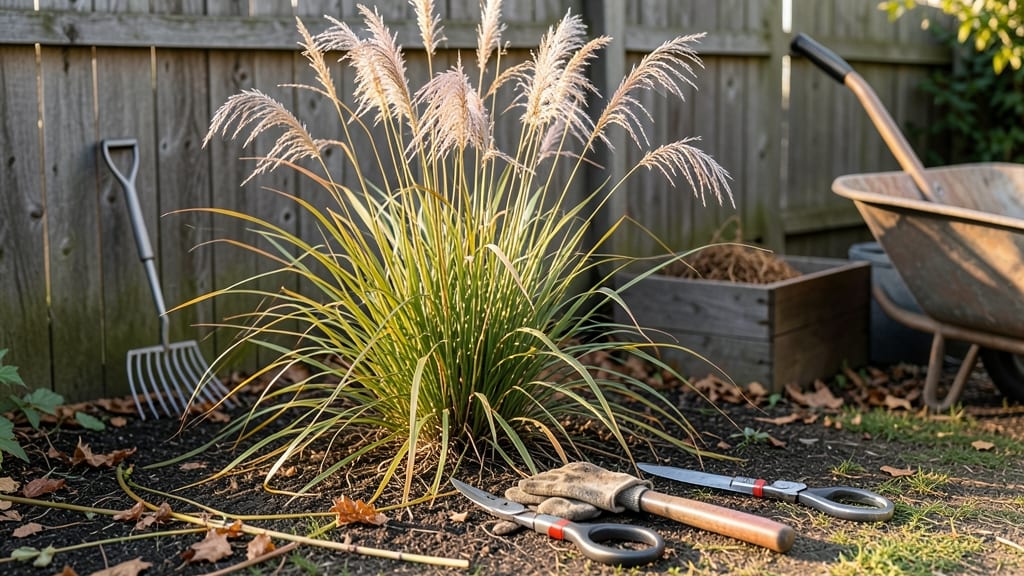
How to cut down ornamental grass transforms wild, overgrown clumps into polished, intentional garden features—without the stress. ✂️ I used to dread this task—until I learned the dormant-season secret that keeps grass healthy and your garden looking refined year-round. The key isn't just cutting; it's timing, technique, and knowing when to leave those winter textures for drama.
You'll need sharp pruners or a heavy-duty string trimmer, gloves, and a tarp for debris. Most ornamental grasses thrive when cut back in late winter or early spring, just as new growth begins. Never cut into old growth—it hides the plant's natural structure and can damage the crown.
For clumping types like maiden grass, cut back to 6-12 inches above the ground, while fountain grasses can go shorter.
The payoff is immediate: crisp, clean lines that reveal fresh green shoots and prevent flopping. You'll avoid the common mistake of over-trimming, which starves the plant, and the frustration of tangled debris everywhere. With the right approach, your ornamental grasses will bounce back stronger and more uniform than ever.
This method works for all ornamental grasses—whether you're shaping a single accent plant or a whole border. The same principles apply to seasonal cleanup, so you'll be ready for next year's pruning with confidence. Let's get those blades looking their best without the guesswork.
📚 In This Guide
- What you need
- Instructions
- Tips and common mistakes
- Wrapping up and next steps
What you need
- ● Heavy-duty pruners or hedge shears – Choose bypass-style (sharp, clean cuts) for ornamental grasses like Miscanthus or Pennisetum. Size: 6–8" blades for thick stalks.
- ● Long-handled loppers – For reaching tall grasses (3–5 ft) without straining. Spec: Bypass blades, 24–36" handles.
- ○ Pruning saw (optional but helpful) – For stubborn, woody bases. Type: Curved blade, 8–10" length.
- ● Gloves (cut-resistant) – Protect your hands from sharp edges and thorns (e.g., Pampas grass). Material: Leather or heavy-duty synthetic.
- ● Knee pads or a small stool – For comfort when trimming low or kneeling for extended periods.
- ● Trash bags or compost bin – Collect clippings for disposal or mulching. Size: 30–50 gallon bags for large patches.
- ● Rake or leaf blower – Clear debris after trimming. Tip: A bow rake works best for fine clippings.
- ● String trimmer (weed whacker) – For fast cleanup of large areas or hard-to-reach spots. Fuel type: Electric or gas (avoid string that leaves frayed ends).
- ● Pruning shears with extended handles – For overhead trimming without a ladder.
- ● Disinfectant spray – Clean tools between cuts to prevent disease spread (e.g., 70% isopropyl alcohol).
- ● Safety glasses – Protect your eyes from flying debris, especially when using a trimmer.
- ● Marking spray or flags – Outline areas to trim if your grass is part of a larger landscape design.
Tips & tricks for perfect ornamental grass trimming
A few precise techniques will transform your ornamental grasses from overgrown to sculptural. These are the details that make all the difference between a messy yard and a polished landscape.
Timing Secret: The February-March window isn't just arbitrary—it's when most grasses complete their dormant phase. Check for brown, dry stems that crumble easily when touched. If you see fresh green shoots, you've waited too long! For warm-climate varieties that stay green year-round, trim when new growth appears but before it gets too lush—this prevents weakening the plant.
Tool Technique: That 45-degree angle cut isn't just for looks—it's a growth hack. The slanted surface prevents water from pooling on the cut stem, which could cause rot. For thick stems over 1 inch, I actually make two angled cuts (one from each side) to create a clean break without tearing. And here's what nobody tells you: Store your pruners in a dry place and sharpen them annually—dull blades crush stems instead of cutting cleanly.
Visual Cue: When trimming upright varieties like Miscanthus, imagine dividing the plant into thirds. Cutting back just one-third maintains that signature airy silhouette while encouraging bushier regrowth. For mounding types, trim just above the lowest growth point—this is where next year's stems will emerge. Step back every few minutes to check your work against the plant's natural shape; your eyes will spot imbalances before they become obvious.
Seasonal Strategy: The early spring fertilization timing is crucial because grasses need nutrients to recover from winter stress. I actually apply half the 10-10-10 fertilizer right after cutting (when roots are exposed) and the other half 4-6 weeks later. This two-step approach gives your grasses a stronger foundation for the growing season. And that weekly watering schedule? It's not just about moisture—it's about helping the plant establish new root systems before summer heat arrives.
Pro Tips for Cut Down Ornamental Grass
- A few precise techniques will transform your ornamental grasses from overgrown to sculptural.
- Timing Secret: The February-March window isn't just arbitrary—it's when most grasses complete their dormant phase.
- Tool Technique: That 45-degree angle cut isn't just for looks—it's a growth hack.
Frequently asked questions
Got questions about trimming ornamental grass? You’re not alone! Here are answers to the most common concerns—whether you're a first-timer or a seasoned gardener looking for a refresher.
When is the best time of year to cut down ornamental grass?
The ideal time depends on your grass type, but late winter or early spring (before new growth starts) is best for most varieties. For evergreen ornamental grasses, trim in late winter to shape them before spring growth. Deciduous grasses can be cut back in late winter or early spring—just avoid cutting when frost is still on the ground.
Should I cut ornamental grass all the way to the ground?
Not always! Most ornamental grasses only need a light trim—about 1/3 of their height—to maintain shape. Cutting too aggressively can damage the crown or leave them vulnerable to pests. Exception: If the grass is dead or overgrown, you can trim it closer to the base in late winter for a fresh start.
What if my ornamental grass looks messy but won’t stay upright?
Floppy ornamental grass often needs staking or support rather than aggressive trimming. Try tying it to bamboo stakes or a small trellis for structure. If trimming is needed, avoid cutting more than 1/3 of the height—this can weaken the plant. For very tall grasses, consider thinning out old growth in early spring to encourage new, upright stems.
Can I use a regular lawnmower to trim ornamental grass?
A regular lawnmower isn’t ideal—it can tear delicate fronds and leave uneven cuts. Instead, use sharp pruners, hedge shears, or an electric hedge trimmer for clean lines. For very thick clumps, a string trimmer (weed whacker) on a low setting can work, but be cautious to avoid damaging the base.
What should I do with the clippings after trimming?
Most ornamental grass clippings are safe to leave on the ground as mulch—they’ll decompose naturally and return nutrients to the soil. If your grass is diseased or pest-ridden, bag and dispose of the clippings to prevent spreading issues. For large volumes, compost them instead of tossing them!
Wrapping up and next steps
Cutting down ornamental grass doesn’t have to be a daunting task—with the right tools, timing, and technique, you can keep your yard looking sharp and stylish all year round! 🌿 Whether you’re trimming for aesthetics, health, or seasonal prep, remember that precision and patience are key.
Now that you’re armed with expert tips, grab those shears or mower and give your ornamental grass the care it deserves.
Ready to take the next step? Schedule a quick maintenance session or plan your seasonal trimming calendar—your future garden will thank you! 🌟