
Propagation
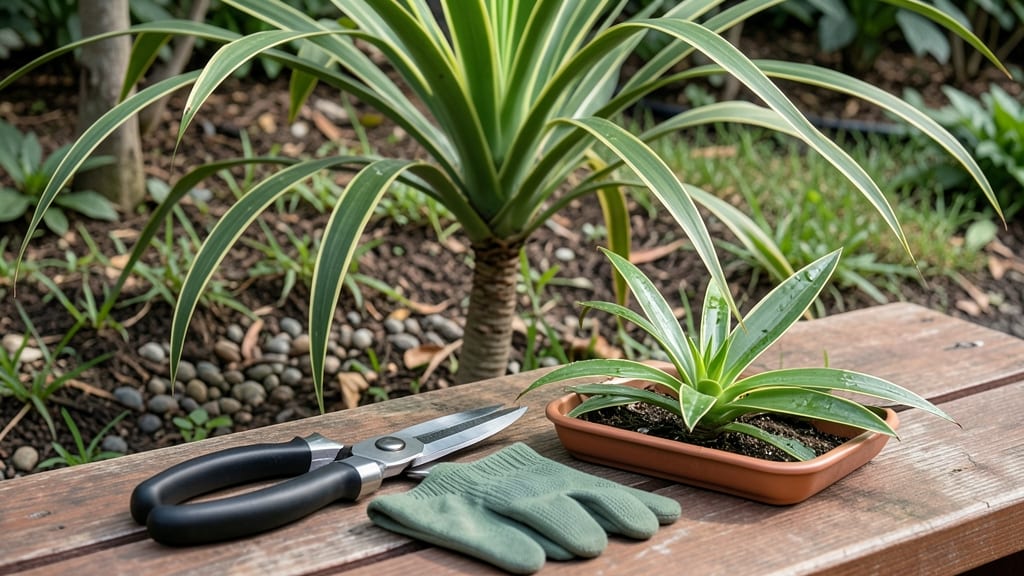
Leggy Dracaena Marginata? No problem. ✂️ The right cut transforms that scraggly stalk into a bushier plant—and you can even grow new plants from the trimmings. I’ve pruned mine every spring for years, and this method keeps them thriving while giving you free propagation material.
You’ll need sharp pruning shears, rubbing alcohol to sterilize them, and a clean cutting surface. Look for nodes—the little bumps where leaves grow—and aim to cut just above one. Avoid over-pruning: never remove more than 1/3 of the plant at once, or you’ll stress it.
After cutting, let the stems dry for a few hours before planting in fresh potting mix. Water lightly at first, then wait until the top inch of soil feels dry before watering again.
Within 4-6 weeks, you’ll see new growth from the cut area—and your trimmings will root into new plants.
This works year-round, but spring is ideal. Just avoid pruning during the plant’s winter dormancy, and you’ll keep your Dracaena looking fresh and productive. The key is patience: clean cuts mean faster regrowth, not instant miracles.
📚 In This Guide
- What you need
- Instructions
- Tips and common mistakes
- Wrapping up and next steps
What you need
- ● Clean, sharp pruning shears or bypass pruners – Must be sterilized with rubbing alcohol (70% or higher) to prevent bacterial infections.
- ● Rubbing alcohol (70% isopropyl or higher) – For sterilizing tools and cutting surfaces.
- ○ Cutting board or tray – To catch debris and provide a stable surface (optional but highly recommended).
- ● Cinnamon powder or activated charcoal – 1-2 tablespoons to dust cuts and promote faster healing.
- ● Small spray bottle with water – For keeping hands and tools moist during the process.
- ○ Gloves (optional but helpful) – To protect hands from sap and sharp edges.
- ○ Rooting hormone (optional) – For propagating cuttings (e.g., 1% IBA powder).
- ● Disposable paper towels – For wiping sap and cleanup.
- ● Small pots or water jars – If propagating cuttings (4-6 inch pots or clear jars for water propagation).
- ○ Pruning sealant (optional) – For large cuts to prevent excessive sap loss.
Step-by-step instructions for pruning Dracaena marginata
Here’s how to trim your dragon tree for healthier growth and bushier foliage—without stressing the plant.
✂️ Step 1: Gather the Right Tools and Prep the Plant
Start by cleaning your pruning shears with rubbing alcohol to prevent bacterial transfer. I always use sharp, sterilized tools because dull blades crush stems and slow healing. Choose a healthy stem to trim—look for one with at least 3-4 leaves remaining after the cut, as this ensures the plant can support new growth.
Water the plant 24 hours before pruning so the soil is slightly moist but not soggy. This prevents shock during cutting. If your plant is large, focus on one section at a time to avoid overwhelming it. I like to work in the morning when temperatures are cooler—this gives the plant time to recover before the heat of the day.
✂️ Step 2: Make the Cut at the Right Angle and Height
Identify the node where you want to trim—this is the small bump on the stem just below a leaf. Cut ¼ inch above the node at a 45-degree angle to maximize surface area for faster regrowth. A slanted cut prevents water from pooling, which can rot the stem.
If you’re trimming a leggy stem, you can also cut it back to the base if it’s brown or damaged. Just make sure to leave a clean cut—no jagged edges. I often use a pencil to mark the spot first so I don’t accidentally cut too high or too low. This step is critical because a poorly placed cut can stunt new growth or even kill the stem.
🌱 Step 3: Encourage New Growth with Proper Aftercare
After cutting, place the trimmed stem in a jar of water to propagate new plants—just keep it in bright, indirect light. For the parent plant, avoid watering for 3-5 days to let the cut heal. This prevents rot and gives the plant time to seal the wound naturally.
Once the cut has calloused over (you’ll see a slight darkening around the edge), resume your normal watering routine. I’ve found that adding a balanced liquid fertilizer 2 weeks after pruning gives the plant a boost to produce fresh, vibrant leaves. Watch for new shoots emerging from the node within 4-6 weeks—that’s your sign the plant is thriving.
⏰ Step 4: Monitor for Regrowth and Adjust Care
Keep the plant in bright, indirect light for the first few weeks after pruning. If you notice yellowing leaves, it’s often a sign of overwatering or stress—adjust your watering schedule until the soil feels dry 1-2 inches down before watering again.
If new growth is slow, check the humidity levels—dry air can inhibit recovery. A quick fix is to mist the leaves lightly in the morning or place a humidity tray nearby. With proper care, your dracaena will reward you with fuller, lusher growth in just a few months. Real talk: patience is key here—rushing aftercare can undo all your hard work.
Tips & tricks for pruning Dracaena marginata
Took me a while to figure these out, so here's how to make your dragon tree trimming both effective and stress-free.
Tool Prep is Everything: Beyond just cleaning your pruning shears, I recommend sterilizing them by dipping in boiling water for 30 seconds after cleaning with rubbing alcohol. This extra step prevents bacterial infections that can cause dark spots on your plant's leaves. I also keep a small container of rubbing alcohol nearby to wipe between cuts—especially important if you're trimming multiple stems.
Node Identification Hack: When locating the node in Step 2, I've found that gently bending the stem helps reveal the node's location—it's where the stem naturally wants to bend. This visual cue makes it easier to make your precise ¼-inch cut above the node. Confession: I skipped this step for years and wondered why some cuts didn't produce new growth. The node is your plant's growth engine!
Aftercare Timing Secret: The 3-5 day watering break after pruning is non-negotiable, but here's the detail nobody tells you—the first watering after this period should be lighter than usual. This gradual reintroduction helps prevent shock to the healing cut. I like to water just until it runs through the drainage hole, then stop. This mimics natural rainfall patterns and gives your plant time to adjust.
Humidity Boost for Recovery: If your home has dry air (common with central heating), create a makeshift humidity tray by placing the potted plant on a tray filled with pebbles and water. The evaporating water creates a microclimate that helps your dracaena recover faster. I've seen new growth appear 2-3 weeks earlier when using this method during winter months. Just make sure the pot isn't sitting directly in water!
Pro Tips for Cut Dracaena Marginata
- Took me a while to figure these out, so here's how to make your dragon tree trimming both effective and stress-free.
- Tool Prep is Everything: Beyond just cleaning your pruning shears, I recommend sterilizing them by dipping in boiling water for 30 seconds after cleaning with rubbing alcohol.
- Node Identification Hack: When locating the node in Step 2, I've found that gently bending the stem helps reveal the node's location—it's where the stem naturally wants to bend.
Frequently asked questions
Got questions about pruning your Dracaena marginata? You’re not alone!
Here are answers to the most common concerns—from timing to troubleshooting—so you can confidently give your dragon tree a fresh new look.
When is the best time to cut my Dracaena marginata?
The ideal time is spring or early summer when the plant is actively growing. Avoid winter cuts, as the plant’s energy is focused on survival, not regrowth. If you spot dead or damaged leaves year-round, trim them anytime—but prioritize the growing season for healthy new growth.
Can I propagate my Dracaena marginata from cuttings?
After cutting, let the stem dry for 1–2 hours to form a callous. Then, place it in well-draining soil or water (with rooting hormone for faster results). Keep the cutting in bright, indirect light and maintain humidity. Roots typically form in 4–8 weeks. Pro tip: Use a clear glass of water to monitor root progress!
What should I do if my Dracaena marginata bleeds sap after cutting?
Don’t worry—this milky sap is normal! It’s a sign of a healthy plant. Let it dry completely (it hardens like glue) before planting cuttings or repotting. If sap bothers you, wear gloves or wipe it with a damp cloth. Avoid overwatering the cut area for 24 hours to prevent rot.
How do I prevent my Dracaena marginata from dying after pruning?
Focus on these key steps: sterilize tools, make clean cuts (not jagged), and avoid over-trimming (never remove more than 1/3 of the plant at once). After cutting, reduce watering slightly for a week and place the plant in bright, indirect light. Yellowing leaves post-prune? It’s normal—focus on new growth!
Can I use the same shears for other plants after cutting my Dracaena?
Yes, but sterilize them first! Wipe blades with rubbing alcohol or soapy water to kill bacteria/fungi. Cross-contamination can spread diseases (like bacterial leaf spot) to other plants. Keep a small bottle of disinfectant handy for quick cleanups between cuts.
Wrapping up and next steps
Cutting your Dracaena marginata doesn’t have to be intimidating—with the right tools, technique, and care, you’ll be propagating like a pro in no time! 🌱 Remember, clean cuts and proper aftercare are key to encouraging strong regrowth and happy new plants.
Whether you’re pruning for shape, health, or propagation, your efforts will soon pay off with lush, thriving foliage.
Ready to take the next step? Experiment with different propagation methods—like water or soil—to see what works best for your space. Happy growing! 🌿