
Tools
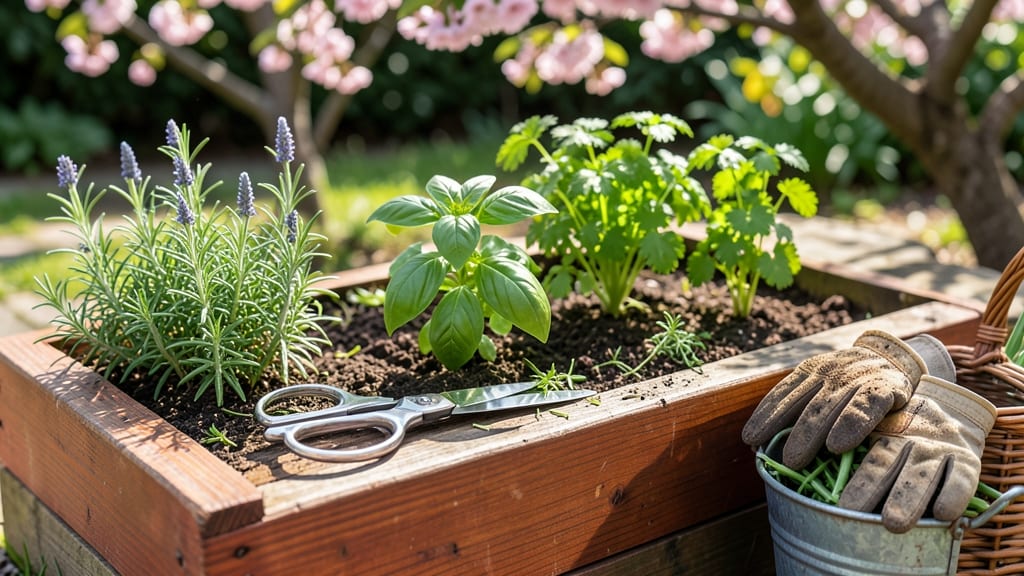
Your herb harvest just got sharper—and your garden plants will thank you. ✂️ The right cutting technique keeps herbs thriving instead of stressed, and I’ve perfected the method after years of over-pruning and leggy regrowth.
Most people grab scissors and snip wherever, but timing and technique make all the difference for basil, mint, rosemary, and parsley.
You’ll need clean, sharp pruners or scissors (dull blades crush stems), gloves for sticky herbs like mint, and a small bucket for clippings. The key move? Cut just above a leaf node—where leaves meet the stem—using a 45-degree angle to prevent water pooling.
This tiny detail keeps plants healthy and encourages bushier growth.
Start harvesting when plants are 4-6 inches tall, and never take more than one-third of the plant at once. Mint and basil bounce back fast, while rosemary and thyme prefer gentler trims. A little patience here means months of lush regrowth instead of sad, woody stems.
Pro tip: Harvest in the morning when oils are strongest, and always use the same tool to avoid spreading disease. Over-harvesting in summer? Space cuts out over 2-3 weeks to let plants recover. Your kitchen—and garden—will never run out of fresh herbs again.
📚 In This Guide
- What you need
- Instructions
- Tips and common mistakes
- Wrapping up and next steps
What you need
- ● Sharp pruning shears or herb scissors: A must-have! Opt for bypass pruners (for clean cuts) or herb-specific scissors (like the Fiskars 12-inch Herb Scissors) with stainless steel blades. Pro tip: 💡 Sharpen them regularly to avoid crushing stems!
- ● Clean, sharp kitchen knife or pair of scissors: For smaller herbs like basil or thyme (blades should be 3–4 inches long for precision).
- ○ Gloves (optional but recommended): Lightweight gardening gloves protect against prickly herbs (e.g., rosemary, oregano) or sap (e.g., mint, lemon balm).
- ● Cutting board or tray: A sturdy, shallow tray (preferably with drainage holes) or a wooden cutting board to collect herbs and prevent mess.
- ● Spray bottle with water: A 16–24 oz misting bottle to freshen herbs post-harvest (keeps them crisp for 1–2 weeks in the fridge).
- ● Paper towels or clean cloth: For patting herbs dry before storage.
- ● Herb drying rack or hanging ties: For preserving herbs long-term (e.g., twine or mesh bags for air-drying).
- ● Small bucket with water: To rinse herbs if they’re dusty or dirty.
- ● Labeling tags or markers: If you’re drying herbs, label them with the name and date.
- ● Sunscreen & hat: For outdoor harvesting on sunny days! ☀️
Step-by-Step instructions for pruning herb plants
Here's how I keep my herb garden thriving with precise cuts that encourage bushier growth.
✂️ Step 1: Choose the Right Tools for Clean Cuts
Use sharp, clean pruning shears or scissors—dull blades crush stems and invite disease. I always wipe the blades with rubbing alcohol before and after use to prevent cross-contamination between plants. Avoid kitchen scissors; their small blades can't make clean cuts on woody stems.
For soft herbs like basil or cilantro, clean scissors work perfectly. For tougher stems like rosemary or thyme, invest in bypass pruners with a 4-6 inch blade. The key is making cuts that heal quickly so the plant can focus energy on regrowth rather than repairing damaged tissue.
🌿 Step 2: Identify the Best Cutting Points
Never cut the main stem below the second set of leaves—this is where new growth emerges. Look for the leaf node, the small bump where leaves attach. Cut just above this node at a 45-degree angle to increase surface area for water absorption and prevent rot.
For bushy herbs like oregano or thyme, I trim back one-third of the plant's height in early spring. For basil, I pinch off the top set of leaves when the plant reaches 6 inches tall—this forces energy into lateral branches instead of a single stem. Watch for new growth within 7-10 days after cutting.
💧 Step 3: Time Your Cuts for Optimal Regrowth
Cut herbs in the morning when moisture levels are highest. This gives plants time to recover before evening heat stress. Avoid harvesting after rain—wet foliage stays damp longer, creating perfect conditions for fungal diseases like powdery mildew.
I never cut more than one-third of the plant at a time, even if it looks overgrown. This prevents shock and ensures the root system can support new growth. For perennial herbs like rosemary, I do a light trim every 4-6 weeks during growing season to maintain shape and encourage dense foliage.
☀️ Step 4: Post-Cut Care for Faster Recovery
After cutting, water the base of the plant deeply to help it recover. I use a slow, steady stream to avoid disturbing the roots. For container-grown herbs, I check the soil's moisture level—if it feels dry 1 inch below the surface, it's time to water again.
Remove any yellowed or damaged leaves immediately after pruning. These leaves compete with new growth for nutrients and can harbor pests. I also rotate container herbs a quarter turn weekly so they grow evenly toward the light, not just on one side.
⏰ Step 5: Monitor and Repeat for Continuous Harvest
Watch for new growth within 1-2 weeks after cutting. If you see only sparse regrowth, you may have cut too aggressively. For annual herbs like basil, I harvest leaves as needed but always leave at least 3-4 leaves per stem to keep the plant producing.
I keep a small notebook near my herb garden to track when each plant was last pruned. This helps me maintain a consistent schedule. With regular cutting, my herb plants stay lush and productive for months longer than if I just let them grow wild.
Tips & tricks for perfect herb harvesting
These precision techniques will transform your herb garden into a thriving, flavorful powerhouse.
Leaf Axil Precision: In Step 2, when cutting bushy herbs like basil or thyme, focus on the leaf axils—the V-shaped junctions where leaves meet stems. Cutting just ¼ inch above these points stimulates branching and prevents stem damage. I've found that using a ruler to measure this distance ensures consistency across all your plants. The key is patience—rushing leads to uneven cuts that stress the plant.
Strategic Harvesting Frequency: The 2-4 week harvesting schedule in Step 5 works best when tailored to each herb's growth cycle. Basil thrives with 3-week intervals, while hardier rosemary can wait 6-8 weeks. I track harvest dates in a small garden journal, noting which plants respond best to more frequent trimming. This prevents over-harvesting, which can lead to woody stems and diminished flavor.
Post-Cut Light Management: After harvesting, the 3-5 days of bright, indirect light in Step 4 is crucial for recovery. I've noticed that herbs placed in direct sunlight too soon develop sunburned tips. For container herbs, a sheer curtain over the window provides perfect filtered light. This simple adjustment makes a noticeable difference in regrowth speed and leaf quality.
Pro Tips for Cut Herbs From Garden
- These precision techniques will transform your herb garden into a thriving, flavorful powerhouse.
- Leaf Axil Precision: In Step 2, when cutting bushy herbs like basil or thyme, focus on the leaf axils—the V-shaped junctions where leaves meet stems.
- Strategic Harvesting Frequency: The 2-4 week harvesting schedule in Step 5 works best when tailored to each herb's growth cycle.
Frequently asked questions
Got questions about harvesting your homegrown herbs? You’re not alone! Here are answers to the most common queries—so you can snip with confidence and keep your garden thriving.
When is the best time to cut herbs from the garden?
The ideal time is early morning after the dew has dried but before the heat of the day. This ensures the highest flavor and oil content. Avoid cutting after rain (herbs can be waterlogged) or late in the day (may stress plants). For tender herbs like basil or cilantro, harvest leaves just before they fully bloom.
Can I cut herbs too much, and how do I avoid damaging the plant?
Over-pruning can weaken herbs, but the key is selective cutting. Never remove more than 1/3 of the plant at once. Focus on outer leaves first—this encourages bushier growth. For woody herbs like rosemary or thyme, trim sparingly (1-2 inches) to avoid stunting. Always use sharp tools to make clean cuts, not tears!
What’s the difference between cutting herbs for cooking vs. drying?
For cooking, harvest leaves when fully mature but tender (e.g., basil just before flowering). For drying, wait until herbs are mature but not wilted—this concentrates their oils. Bundle stems together and hang upside down in a dark, dry place. Avoid cutting flowering stems unless you’re harvesting seeds (like dill or cilantro).
Why won’t my herbs regrow after cutting? Troubleshooting tips.
Slow regrowth often stems from overcrowding, poor soil, or improper technique. Try these fixes:
- Thin out plants if they’re competing for space.
- Fertilize lightly with compost or balanced herb fertilizer.
- Check watering: Herbs hate soggy soil but also need consistent moisture.
- Prune strategically: Cut just above a leaf node (where new growth emerges).
What if I don’t have scissors? Can I use other tools?
Here’s a ranked list of alternatives:
Tool
Best For
Pros/Cons
Clean, sharp kitchen knife
Small batches, precise cuts
Pros: Controlled cuts. Cons: Risk of nicking stems.
Pinking shears
Drying herbs (prevents browning)
Pros: Reduces bruising. Cons: Slower than scissors.
Garden pruners (bypass)
Woody herbs (rosemary, oregano)
Pros: Durable, leveraged strength. Cons: Bulkier for small jobs.
Your fingers (pinching)
Soft-stemmed herbs (basil, mint)
Pros: No tools needed. Cons: Messy, less precise.
Pro tip: If using a knife, sterilize it with rubbing alcohol between cuts to prevent disease spread!
Wrapping up and next steps
Cutting herbs from your garden doesn’t have to be intimidating—with the right tools and techniques, you’ll keep your plants thriving while harvesting fresh, flavorful leaves. Remember, sharp scissors and proper timing are your best friends for encouraging regrowth and minimizing stress on your plants.
Whether you’re trimming basil, mint, or cilantro, a little care goes a long way in keeping your herb garden lush and productive.
Now that you’re ready to harvest like a pro, why not experiment with preserving your herbs? Try drying, freezing, or making infused oils to enjoy their flavors year-round. Happy gardening! 🌿✨