
Pruning
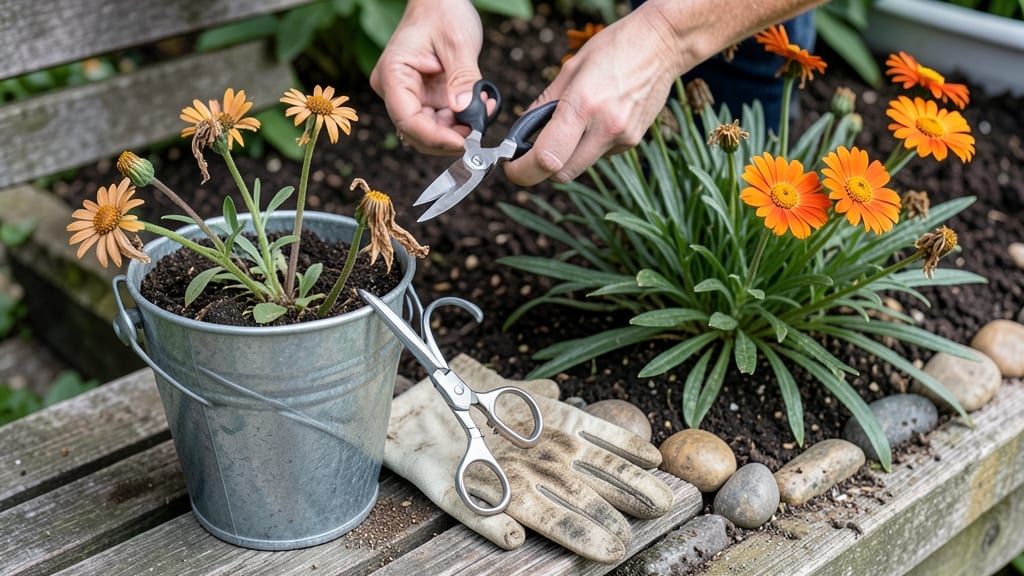
Deadheading gazanias isn’t just pruning—it’s the secret to nonstop summer color. ✂️ I’ve learned that skipping this step means fewer blooms and leggy plants by August. The right technique keeps your gazanias flowering until frost, not just for a few weeks.
You only need two things: sharp pruners (clean them first!) and a sunny morning to work. Cut spent blooms at the base where the flower meets the stem—never above a leaf. Do this every 2-3 days during peak bloom, and your plants will reward you with fresh buds within days.
The payoff is immediate: your gazanias stay compact, bushy, and packed with blooms instead of stretching tall with bare stems. Even my black thumb’s plants look like they’re from a nursery by following this simple rule.
Over-pruning? Just avoid cutting into green growth—stick to dead or fading blooms only. And if you’re lazy (like me), just snip the whole stem when it’s mostly dead. The plants bounce back faster than you’d expect.
📚 In This Guide
- What you need
- Instructions
- Tips and common mistakes
- Wrapping up and next steps
What you need
- ● Sharp pruning shears or scissors: Choose a pair with bypass blades (not anvil-style) for a cleaner cut. A 5-inch size works best for most gazania varieties.
- ○ Gloves (optional but recommended): Lightweight gardening gloves to protect your hands from thorns or rough stems.
- ● Disinfectant (rubbing alcohol or bleach solution): A small bottle to wipe down shears between cuts and prevent disease spread.
- ● Bucket or trash bag: A 5-gallon bucket or sturdy bag to collect spent blooms and debris.
- ○ Water spray bottle (optional): A 16-ounce spray bottle with water to mist shears if needed for stubborn stems.
- ● Knee pad or stool: For comfort if you’re working with large gazania patches or have mobility needs.
- ● Pruning saw (for thick stems): Rarely needed, but a small hand saw can help if stems are woody or overgrown.
- ● Compost bin: To recycle spent blooms into nutrient-rich soil for future plantings.
- ● Sunscreen and hat: If you’re working outdoors on a sunny day—gazania deadheading is best done in the morning or late afternoon!
Step-by-Step instructions for deadheading gazanias
Here's how I keep my gazanias blooming all season with just a few simple snips.
✂️ Step 1: Wait for the Right Time to Deadhead
Pick your moment carefully—deadhead only after a bloom has fully opened and started wilting. Gazanias are annuals that thrive on continuous flowering, so you want to remove spent blooms before they set seed. Check each flower head daily in the late afternoon when petals naturally begin to droop.
Gently squeeze the base of the bloom between your thumb and forefinger. If it crumbles easily, it's ready. If it resists, wait another day. Removing blooms too early cuts off potential new buds that form at the base of each stem. I always carry a small pair of scissors in my gardening apron for quick, clean snips.
✂️ Step 2: Use the Proper Cutting Technique
Hold your pruners or clean scissors at a 45-degree angle just above the first set of healthy leaves or leaf nodes. This angled cut prevents water from pooling at the cut site, which could rot the stem. Cut cleanly through the stem without crushing it—squished stems invite disease.
Never cut into the main growing point at the base of the plant. Gazanias grow in a compact, mounded habit, and each stem produces multiple buds from leaf axils. By cutting above the first leaf pair, you encourage new side shoots to form and keep the plant bushy. I like to make my cuts in one smooth motion to avoid tearing the stems.
✂️ Step 3: Remove Only the Spent Blooms
Focus exclusively on the faded flower heads—never trim healthy foliage or green buds. Each gazania plant produces multiple stems, and you'll need to repeat this process every 2-3 days during peak bloom. The key is consistency; one missed bloom can quickly turn into a dozen spent flowers if you let them go.
After cutting, examine the stem closely. If you see any signs of brown or mushy tissue at the cut site, trim back another ½ inch to healthy green growth. This prevents fungal infections from spreading up the stem. I always wipe my pruners with rubbing alcohol between cuts to keep them sterile.
🌿 Step 4: Encourage New Growth with Post-Deadheading Care
After deadheading, give your gazanias a light watering to the base—avoid wetting the foliage to prevent fungal issues. The plants will respond by producing new buds within 5-7 days, especially if they're getting 6+ hours of full sun daily. I've found that gazanias bloom most prolifically when they're slightly thirsty between waterings.
Remove any stems that look yellow or leggy—they're not worth saving. These often indicate overcrowding or nutrient deficiency. If you notice a general slowdown in new blooms, apply a balanced 10-10-10 fertilizer at half strength. Gazanias are drought-tolerant once established, but they'll reward you with continuous color if you keep up with regular deadheading.
⏰ Step 5: Maintain the Routine Through the Season
Deadheading gazanias becomes second nature after a few weeks. I set a reminder on my phone every 3 days during their peak season to check for spent blooms. The more consistently you remove faded flowers, the longer your plants will keep producing fresh blooms—some varieties continue flowering until frost.
As summer progresses, you'll notice stems getting woody and less flexible. This is normal, but it's also a signal to start thinning out the oldest stems. Cut these back to ½ their height to encourage fresh growth from the base. I always do this in late summer to give my gazanias a second flush of blooms before fall.
Tips & tricks for perfect gazania deadheading
These simple tricks will help you keep your gazanias looking their best all season long.
Timing is Everything: I learned this the hard way after accidentally removing too many buds early in the season. Always wait until the bloom has fully opened and started wilting—usually in the late afternoon when petals naturally droop. This ensures you're not cutting off potential new buds that form at the base of each stem. The 2-3 day deadheading cycle mentioned in Step 3 is perfect for maintaining continuous blooms without overdoing it.
Precision Cutting Technique: The 45-degree angle in Step 2 isn't just about looks—it's about plant health. This angled cut creates a larger surface area that dries quickly, preventing water from pooling and causing rot. I've found that using a small pair of sharp scissors gives me better control than pruners for delicate gazania stems. Always cut cleanly through the stem in one smooth motion to avoid tearing the plant tissue.
Post-Deadheading Care: After you've finished deadheading, don't forget the 5-7 day window mentioned in Step 4. This is when your plants will show their gratitude with new buds forming. I've noticed that gazanias respond best to light watering at the base—never wet the foliage. The plants actually bloom more prolifically when they're slightly thirsty between waterings, which might seem counterintuitive but works wonders for continuous flowering.
Season-Long Maintenance: The 3-day reminder system in Step 5 has been a game-changer for me. Setting phone reminders ensures I don't miss any blooms during peak season. As stems become woody later in summer, cutting them back to half their height gives your gazanias that second flush of blooms before fall. This thinning out also improves air circulation, which helps prevent fungal issues that can plague crowded plants.
Pro Tips for Deadhead Gazanias
- These simple tricks will help you keep your gazanias looking their best all season long.
- Timing is Everything: I learned this the hard way after accidentally removing too many buds early in the season. Alwa...
- Precision Cutting Technique: The 45-degree angle in Step 2 isn't just about looks—it's about plant health. This angle...
Frequently asked questions
Got questions about deadheading gazanias? You’re not alone—this simple task can feel tricky at first! Here are some of the most common queries to help you master the art of keeping your gazanias blooming like crazy.
How often should I deadhead gazanias?
Deadhead gazanias every 2–3 days during peak bloom (spring to fall) to encourage nonstop flowers. If you’re busy, aim for at least once a week—even a little effort makes a big difference! Overlooking it? Don’t worry; gazanias are forgiving, but consistent deadheading = more blooms.
Can I deadhead gazanias in the morning or evening?
Yes! Deadhead in the early morning or late afternoon to avoid stressing the plant in hot midday sun. Cooler temps help wounds heal faster, and you’ll reduce the risk of fungal issues. Pro tip: Snip just above a set of leaves to guide new growth.
What if my gazanias stop blooming after deadheading?
If blooms fade fast, check for these fixes:
- Over-pruning: Never cut more than ⅓ of the plant at once.
- Underwatering: Gazanias love dry soil—overwatering = fewer blooms.
- Low light: Move to 6+ hours of sun daily.
Do I need special shears for deadheading gazanias?
Nope! Use clean, sharp scissors or pruners (even kitchen shears work in a pinch). Avoid dull tools—they crush stems, inviting disease. Disinfect blades with rubbing alcohol between plants to prevent spreading pathogens.
What’s the best alternative if I forget to deadhead?
No stress! Gazanias are self-cleaning—spent blooms often drop on their own. If you miss a few, just trim the entire flower head at the base. For extra insurance, pinch back leggy stems in early spring to encourage bushier growth.
Wrapping up and next steps
Deadheading gazanias is your secret weapon for prolonged, vibrant blooms—and now you’ve got the know-how to do it like a pro! 🌸 With just a few simple steps and the right timing, you’ll keep your garden bursting with color all season long. Remember: consistency is key, but don’t let perfection hold you back—even a little effort makes a big difference!
Ready to take your gazania game to the next level? Try deadheading just one flower today and watch how quickly your plants respond. Before you know it, you’ll be a deadheading champion with a garden that turns heads! 🌿✨