
Pruning
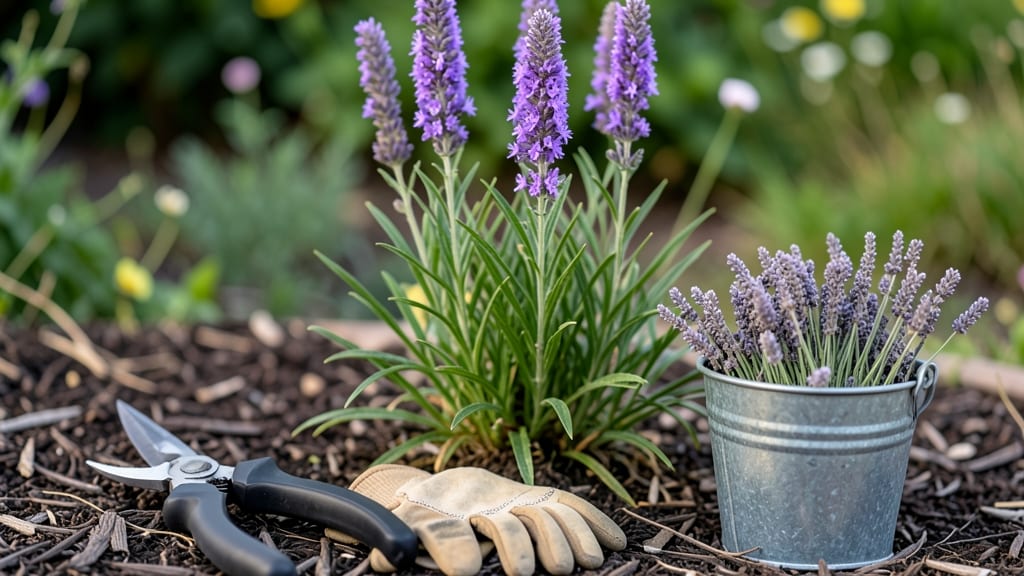
Three snips keep those purple spikes blooming all summer. ✨ Deadheading liatris isn't just about looks—it's how you trick these tough perennials into putting energy into more flowers instead of seed heads. The secret is timing: wait until about half of each flower stalk has bloomed before snipping.
Grab clean pruners and cut just above the first set of healthy leaves below the faded blooms. You'll see new buds forming within 10-14 days. What you end up with is 6-8 weeks of continuous color instead of the usual 3-week show.
The plants stay bushier, the blooms stay vibrant, and you avoid the leggy, seed-head-heavy look that ruins the garden's vertical drama. Works for both wild-type liatris and the taller cultivars. Here's how to do it without turning your garden into a snipping frenzy—just 3 simple cuts per stalk.
📚 In This Guide
- What you need
- Instructions
- Tips and common mistakes
- Wrapping up and next steps
What you need
- ● Pruning shears or sharp scissors – Choose bypass pruners (clean cuts) or small garden shears with a 4-inch blade for precision. Sterilize with rubbing alcohol before use!
- ○ Gloves (optional but recommended) – Lightweight gardening gloves protect hands from thorns and sap. Opt for nitrile-coated for grip.
- ● Bucket or trash bag – A 5-gallon bucket or sturdy bag to collect spent blooms and debris.
- ● Water spray bottle (small, 8 oz) – For a quick rinse of tools between cuts to prevent sap buildup.
- ● Hand lens or magnifying glass – Helps spot hidden buds or early signs of pests on stems.
- ● Disinfectant spray (70% isopropyl alcohol) – Spray tools between plants to avoid cross-contamination.
- ● Compost bin or bag – Repurpose spent blooms as nutrient-rich compost.
- ● Knee pad or stool – For comfort if your Liatris is tall (up to 4–5 feet).
Step-by-step instructions for deadheading liatris
Here's the simple method I use to keep my liatris blooming for weeks—no fancy tools needed.
✂️ Step 1: Wait for the Right Time to Snip
Deadhead liatris only after half the flower spikes have faded. This ensures you leave enough blooms to attract pollinators while still encouraging new growth. I look for 3-4 spent florets at the top of each spike—when they turn brown and fluff out like tiny dandelions, that's your cue.
Never cut healthy blooms. You'll know you're too early if the flower heads still have vibrant purple florets opening daily. Patience here pays off—rushing leads to fewer new blooms later in the season.
✂️ Step 2: Use Clean, Sharp Pruners for Precision Cuts
Grab your pruners and make a clean cut just above the first set of green leaves below the faded flowers. This is where new buds form. I angle the cut slightly downward to prevent water from pooling on the stem, which could cause rot.
Don't cut too close to the base—you want to leave at least 2-3 inches of stem to support the plant. If you accidentally cut too low, don't worry; liatris is tough and will still produce new growth from lower nodes.
🌱 Step 3: Encourage New Blooms with Proper Aftercare
After deadheading, give your liatris a light drink of water at the base to help it recover. The plant will redirect energy from seed production to growing new flower spikes. You'll see fresh buds forming within 2-3 weeks if conditions are right.
Here's the thing—liatris thrives in full sun and well-draining soil. If your plants look stressed after deadheading, check that they're getting 6+ hours of sunlight daily and the soil isn't staying soggy. A little morning water is all they need once established.
⏰ Step 4: Repeat for a Continuous Display
Keep an eye on your liatris throughout the season. As new flower spikes mature, deadhead them the same way—wait for half to fade, then snip cleanly. I deadhead my liatris every 2-3 weeks during peak bloom, and it keeps flowering until frost.
This method works best with established plants. If your liatris is in its first year, skip deadheading entirely—let it focus on root growth instead of blooming. You'll get bigger, stronger plants next season.
Tips & tricks for perfect liatris deadheading
Mastering these simple techniques will turn your liatris into a blooming powerhouse all season long.
Timing Secret: The 3-5 day regrowth window after deadheading is your best indicator of success. Watch for fresh green growth—this means you cut cleanly and the plant is ready to produce new blooms. If you don't see new growth within this time, you may have cut too aggressively or into green tissue. Trust me on this: patience pays off with more flowers!
Tool Technique: While fingers work for small plants, invest in a pair of clean, sharp pruners for larger clumps. Dull blades crush stems and create entry points for disease. I like to wipe my pruners with rubbing alcohol between cuts to prevent spreading any potential pathogens. The 45-degree angle cut isn't just about aesthetics—it's about directing water away from the stem to prevent rot.
Visual Cues: The 50% faded rule is your first checkpoint, but don't stop there. Look for the color change from vibrant purple to dull brownish-gray in the bloom center—that's your definitive signal. For bottom-to-top bloomers like liatris, I use the "thumb test": run your thumb along the stem. Dry, papery petals indicate it's time to snip, while firm buds mean wait a few more days.
Pro Tips for Deadhead Liatris
- Mastering these simple techniques will turn your liatris into a blooming powerhouse all season long.
- Timing Secret: The 3-5 day regrowth window after deadheading is your best indicator of success.
- Tool Technique: While fingers work for small plants, invest in a pair of clean, sharp pruners for larger clumps.
Frequently asked questions
Got questions about deadheading Liatris? You’re not alone! Here are answers to the most common concerns—so you can keep those purple spikes blooming all season long.
When is the best time to deadhead Liatris?
Deadhead Liatris once the lower blooms fade but before the seed heads fully mature (usually mid-to-late summer). This encourages new flowers to form. Avoid cutting into the green foliage—focus on spent blooms only!
Do I need special tools to deadhead Liatris?
Nope! A clean pair of sharp pruners or even your fingers work. Just ensure your tools are sanitized to prevent disease. For large clumps, small hand pruners make the job easier. Pro tip: Wear gloves if you’re squeamish about thorny stems!
Will deadheading kill my Liatris plant?
Not at all! Deadheading stimulates more blooms by redirecting the plant’s energy. Just avoid cutting into the basal leaves (the rosette at the base). Over-pruning can stress the plant, but a light trim keeps it thriving. Think of it like a haircut—less fuss, more growth!
What if my Liatris stops blooming after deadheading?
If blooms taper off, check for these issues:
- Overcrowding: Divide clumps every 3–4 years.
- Poor soil: Amend with compost for better nutrients.
- Underwatering: Liatris loves dry, well-drained soil.
Can I leave the seed heads for winter interest?
If you prefer a rustic look, leave the dried seed heads—they add texture and attract birds. However, if you want to encourage next year’s blooms, remove them in early spring before new growth emerges. Win-win!
Wrapping up and next steps
Deadheading Liatris is a breeze once you get the hang of it—and the rewards are worth every snip! 🌸 With just a few simple steps, you’ll keep your plants blooming longer, encourage stronger growth, and enjoy a stunning display all season.
Now that you’ve mastered the technique, why not take it a step further?
Next up, explore how to divide overcrowded Liatris clumps to rejuvenate your garden or share these beauties with fellow plant lovers. Happy gardening—your Liatris (and future blooms!) will thank you! 🌿✨