
Pruning
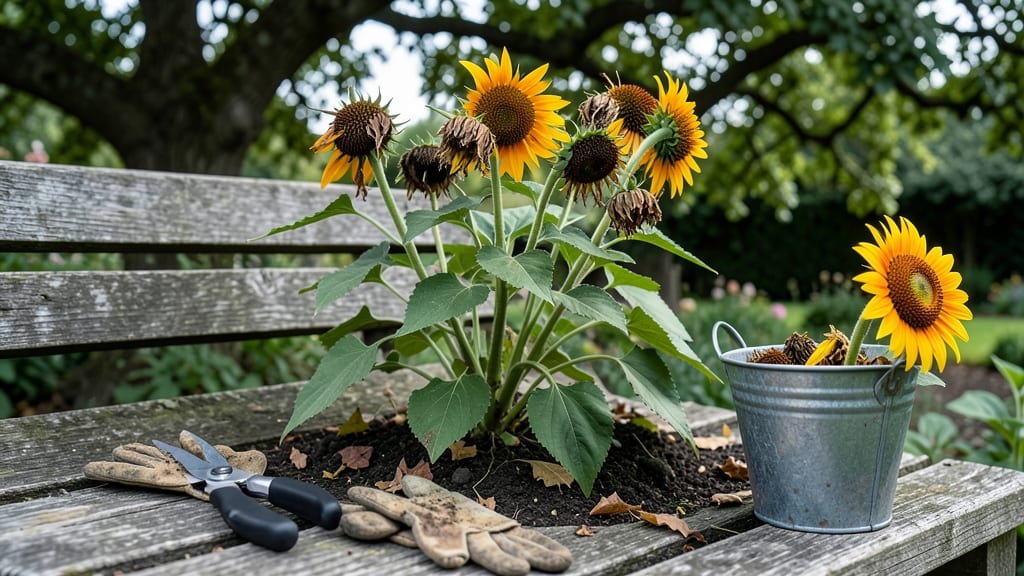
Deadheading rudbeckia isn’t just about tidying up—it’s the secret to nonstop summer blooms that make your garden the envy of the neighborhood. 🌻 I’ve watched my rudbeckia go from a single flush of flowers in July to a six-week show by simply snipping spent blooms at the right time.
The key? Timing, technique, and knowing exactly where to cut.
You’ll need sharp pruners (or even clean scissors in a pinch), a sunny day after rain when stems are supple, and about five minutes per plant.
The magic happens when you cut just above the next set of leaves—this signals the plant to redirect energy into fresh blooms instead of seed production. Most gardeners overthink it, but rudbeckia is forgiving: even a slightly messy cut won’t ruin your plant.
What you’ll get is stronger stems, more vibrant flowers, and a bushier plant that stays compact. My rudbeckia ‘Goldsturm’ now produces three times as many blooms as it did before I started deadheading—plus, the stems hold up better in summer storms.
The best part? You can do this every 7-10 days during peak bloom season without stress.
Works for all rudbeckia varieties—whether you’ve got towering ‘Herbstsonne’ or compact ‘Indian Summer’. Here’s how to do it right the first time, plus what to watch out for when those yellow-green buds start appearing. Let’s get those blooms going!
📚 In This Guide
- What you need
- Instructions
- Tips and common mistakes
- Wrapping up and next steps
What you need
- ● Pruning shears or sharp garden scissors – Opt for bypass pruners (clean cuts!) or small hand pruners for precision. Size: 5–7 inches (13–18 cm) for easy grip.
- ○ Gloves (optional but recommended) – Wear gardening gloves to protect your hands from thorns or rough stems. Tip: Choose breathable, durable fabric (e.g., nitrile-coated).
- ● Disinfectant (70% isopropyl alcohol or bleach solution) – 1 part bleach to 9 parts water to sterilize tools between cuts and prevent disease spread.
- ● Bucket or trash bag – For collecting spent blooms and debris. Bonus: A compost bin if you’re recycling plant matter!
- ● Time of day: Early morning or late afternoon (avoid midday heat to reduce plant stress).
- ● Weather: Dry conditions (wet stems can harbor fungi).
- ● Frequency: Every 1–2 weeks or when 20–30% of blooms fade.
- ● Knee pad or stool – For comfort if your Rudbeckia is tall (2–4 feet).
- ● Label markers – If you’re propagating cuttings, label stems with dates!
- ● Hose with nozzle – To rinse tools and refresh plants post-pruning.
Step-by-step instructions for deadheading rudbeckia
Here's the simple, repeatable method I use to keep my rudbeckia blooming until frost—no fancy tools required.
✂️ Step 1: Identify the Right Blooms to Cut
Wait until the flower head is fully open but before the petals begin browning—that's your peak bloom window. Look for the central brown or green cone (the "seed head") surrounded by vibrant yellow or orange petals. This is the moment to act: cutting at this stage encourages the plant to produce new side shoots with fresh blooms.
I always check the plant from a distance first. Healthy rudbeckia will have multiple stems with 3-5 open flowers per stem. If you see only one or two blooms per stem with many brown petals, it's time to deadhead more aggressively. Never cut healthy, fully closed buds—they'll open on their own.
✂️ Step 2: Make the Clean Cut
Use clean, sharp pruners or even your fingers to pinch off the entire spent bloom head. Make your cut just above the next set of leaves or side buds—this is where new growth will emerge. I aim for a ¼ to ½ inch above the leaf node. This ensures you remove the old flower but leave the growth hormones intact.
Don't cut too close to the stem or you risk damaging the plant's energy reserves. If you're using your fingers, grip firmly at the base of the seed head and pull sharply downward—rudbeckia stems are sturdy enough for this method. For larger blooms, I find pruners give me cleaner cuts that heal faster.
✂️ Step 3: Repeat for All Blooms
Work your way through the plant, cutting every spent bloom head you find. Focus on the oldest blooms first—they've already served their purpose and are sapping energy from newer flowers. I like to start at the plant's base and move upward, which helps me spot hidden blooms behind larger ones.
After deadheading, step back and admire your plant. You should see multiple stems with 3-4 unopened buds ready to bloom. These buds will open within 7-10 days if the plant has enough sunlight and water. If you notice many buds dropping off instead of opening, your plant may need more sunlight or water.
🌿 Step 4: Maintain Through the Season
Repeat this process every 7-10 days throughout the growing season. I set a reminder on my phone for every two weeks to check my rudbeckia—consistency is key. The more you deadhead, the more blooms you'll get, but don't overdo it. If you remove too many blooms at once, the plant may focus on leaf growth instead of flowers.
Here's the thing—rudbeckia is forgiving. Even if you miss a few deadheadings, the plant will still produce flowers. But for that continuous bloom show, stay on top of it. After the first frost, let the remaining blooms stay—they'll provide winter interest and seed heads for birds.
Tips & tricks for perfect rudbeckia deadheading
Keeping your rudbeckia blooming all season takes just a few strategic moves—and avoiding these common pitfalls makes all the difference.
Timing Secret: The 7-10 day interval between deadheadings isn't arbitrary—it matches rudbeckia's natural bloom cycle. I've found that consistent timing (every 2 weeks) creates a predictable rhythm where new buds are just opening as you remove spent blooms. This creates that continuous color show gardeners love. The key is to work when you see 3-5 open blooms per stem, not when they're already fading.
Equipment Insight: While pruners give cleaner cuts, your fingers work perfectly for rudbeckia's sturdy stems. I've learned the hard way that clean cuts are more important than the tool—always make that ¼ to ½ inch cut above the leaf node. This small margin makes all the difference in preventing stem damage. For larger plants, I keep a small pair of pruners in my gardening apron for quick access to those high or stubborn blooms.
Plant Health Check: Watch for those 3-4 unopened buds after deadheading—they're your quality control. If you notice buds dropping off instead of opening, it's your plant's way of saying "I need more sunlight or water." I've seen this happen when gardeners focus only on deadheading without checking the plant's basic needs. After deadheading, give your rudbeckia a good drink of water and check for any shaded areas that might need pruning back.
Seasonal Strategy: Don't stop deadheading at the first frost! I've kept my rudbeckia looking great through fall by continuing the process until the plants become dormant. The remaining seed heads provide winter interest and food for birds. Plus, you'll know exactly when to stop when the plants start looking tired—usually when the stems become woody and the leaves yellow.
Pro Tips for Deadhead Rudbeckia
- Keeping your rudbeckia blooming all season takes just a few strategic moves—and avoiding these common pitfalls makes all the difference.
- Timing Secret: The 7-10 day interval between deadheadings isn't arbitrary—it matches rudbeckia's natural bloom cycle.
- Equipment Insight: While pruners give cleaner cuts, your fingers work perfectly for rudbeckia's sturdy stems.
Frequently asked questions
Got questions about deadheading rudbeckia? You’re not alone! Here are answers to the most common queries to help you keep those golden blooms thriving all season.
When is the best time to deadhead rudbeckia?
Deadhead rudbeckia after the blooms fade but before seeds form—typically mid-to-late summer. For continuous blooms, check plants weekly and trim spent flowers every 5–7 days. Early morning is ideal since stems are crisp, making cuts cleaner.
Do I need special tools to deadhead rudbeckia?
Nope! Clean, sharp pruners or even your fingers work. Just ensure tools are sanitized with rubbing alcohol to prevent disease. For large batches, bypass pruners save time. Avoid dull tools—they crush stems, stressing the plant.
What if I miss deadheading and seeds form?
No stress! Seeds won’t kill your plant, but they divert energy from blooms. If seeds appear, pinch them off or let them go—rudbeckia self-seeds easily. Just deadhead the next batch of flowers to redirect growth. Over time, you’ll find your rhythm!
Can I deadhead rudbeckia in rain or heat?
Avoid deadheading during peak heat (10 AM–4 PM) or right after rain—wet stems attract fungus, and heat stresses the plant. Early morning or late afternoon is best. If you must work in humidity, let cuts dry for 1–2 hours before watering.
Will deadheading rudbeckia encourage more flowers?
Deadheading removes spent blooms, signaling the plant to produce new flowers instead of seeds. Rudbeckia responds beautifully—expect 30–50% more blooms if you’re consistent. Plus, your plants will look bushier and fuller!
Wrapping up and next steps
Deadheading Rudbeckia is your secret weapon for longer, showier blooms—and with just a few simple snips, you’ll keep your garden vibrant all season! Whether you’re a pruning pro or a beginner, this easy technique takes minutes and delivers maximum impact.
Now that you’ve got the know-how, grab those shears and get growing! 🌼
Ready for even more garden magic? Try experimenting with Rudbeckia varieties or explore other perennials that love deadheading—your next blooming masterpiece awaits!