
Pruning
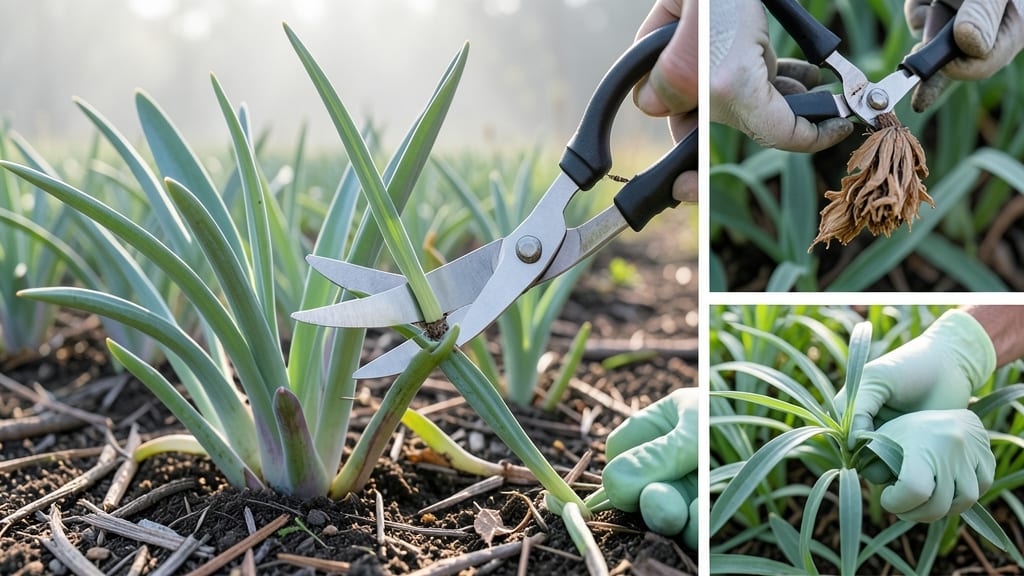
Spiderwort blooms fizzle fast—unless you deadhead them. 🌿 I’ve watched these blue-green flowers wilt within days, but a simple snip keeps them blooming for weeks. The secret is timing and technique, and it’s easier than you think.
You’ll need sharp pruners or clean scissors—nothing fancy. Grab a sunny morning after the flowers fade slightly (but before they brown). Cut just above the first set of healthy leaves where the stem meets the foliage, and you’ll encourage fresh blooms to form.
The payoff is immediate: vibrant new flowers within weeks, and plants that look fuller, not leggy. Deadheading also prevents seed production, so spiderwort focuses energy on blooms instead of setting seed. Your garden stays colorful longer, and the plants grow stronger.
For winter interest, leave some spent stems—just trim the very top. But if you’re in a cold zone, cut back completely after frost. The key is consistency: 10 minutes every few days keeps spiderwort thriving all season.
📚 In This Guide
- What you need
- Instructions
- Tips and common mistakes
- Wrapping up and next steps
What you need
- ● Pruning shears or sharp scissors: Clean, sterilized tools (bypass pruners work best for precision). Avoid dull blades to prevent crushing stems.
- ○ Gloves (optional but recommended): Garden gloves to protect your hands from thorns or dirt.
- ● Bucket or trash bag: A small container to collect spent blooms and debris.
- ○ Water spray bottle (optional): For rinsing tools between cuts if working with multiple plants.
- ● Timing: Deadhead spiderwort after flowering (when blooms fade but before seed pods form). Early morning or late afternoon is ideal to avoid stressing the plant.
- ● Weather check: Work on a dry, calm day to prevent soil compaction or disease spread.
- ● Plant health: Ensure spiderwort is well-watered (but not soggy) before pruning to reduce shock.
- ● Hand pruners: For smaller stems or tight spaces.
- ● Disinfectant spray (70% isopropyl alcohol): To sterilize tools between plants and prevent disease.
- ● Compost bin: Repurpose spent blooms as nutrient-rich compost!
Step-by-Step instructions for deadheading spiderwort
Here's the simple technique I use to keep spiderwort blooming all season long—no fancy tools required.
✂️ Step 1: Identify the Right Time to Deadhead
Wait until the flowers have fully opened but are starting to fade—typically when the petals flatten out or begin browning at the edges. Spiderwort blooms last about 3-5 days before they're ready for removal. I always check in the morning when the flowers are fully open and vibrant.
Don't cut too early, or you'll remove healthy blooms that could still attract pollinators. The goal is to remove spent flowers while leaving fresh ones to continue blooming. You'll know you're timing it right when you see clusters of flowers at different stages of opening on the same stem.
✂️ Step 2: Use the Proper Cutting Technique
Grab a pair of clean, sharp pruners or even a pair of scissors and cut the spent flower stem about ½ inch above the first set of healthy leaves or the next visible bud. This encourages new growth from that node. I always make my cuts at a slight angle to prevent water from pooling on the cut surface.
If you're working with a large clump, you can also pinch off individual faded flowers with your fingers instead of cutting the whole stem. Just be sure to remove the entire flower head down to the base of the stem. This prevents the plant from wasting energy on seed production and redirects it to new blooms.
✂️ Step 3: Clean Up and Maintain Plant Health
After deadheading, remove any fallen petals or debris from the plant's base to prevent fungal diseases. Spiderwort thrives in clean conditions, so I always take a moment to tidy up the surrounding area. This also helps me spot any pests or signs of disease early.
Water the plant lightly after deadheading to help it recover. The roots will need to adjust to the new growth stimulus, and a little moisture encourages strong new shoots. Avoid overwatering, though—spiderwort prefers well-drained soil and can rot if left too wet.
✂️ Step 4: Monitor and Repeat for Continuous Blooms
Check your spiderwort every 3-5 days for new faded blooms, especially during peak flowering season. Regular deadheading keeps the plant focused on producing new flowers rather than seeds. I find that spiderwort responds well to this routine and often rewards me with even more vibrant blooms.
If you notice the plant slowing down in late summer, reduce deadheading frequency. Spiderwort naturally winds down its blooming cycle as temperatures rise, and over-pruning can stress the plant. Instead, focus on keeping the foliage healthy and providing consistent water until fall.
🌱 Step 5: Prepare for Seasonal Changes
As the growing season winds down, shift your focus to maintaining the plant's overall health rather than flower production. In late summer or early fall, cut back any remaining flower stalks to about 4-6 inches from the base. This helps the plant redirect energy to strengthening its roots for winter.
Leave the foliage intact until it naturally yellows or dies back. Spiderwort is a hardy perennial, and the leaves provide some protection for the crown over winter. Once the leaves have fully died back in late fall, you can trim them to about 2 inches above the ground for a clean look.
Tips & tricks for perfect spiderwort blooms
These little details make all the difference between a plant that fades and one that thrives all season long.
Timing is Everything: I can't stress this enough—the 3-5 day window in Step 1 is critical. Spiderwort flowers are most vibrant in the morning, so that's when I always check. If you're unsure whether a bloom is ready, do the "finger test": gently press the petals. If they feel slightly papery or start to flatten, it's time to remove it. Waiting too long lets the plant waste energy on seed production instead of new blooms.
Cutting Technique Matters: That ½ inch measurement in Step 2 isn't arbitrary—it's the sweet spot for encouraging new growth. When you cut above the first set of healthy leaves, you're signaling to the plant where to send its energy. Pro tip: Use a clean, sharp tool (even kitchen scissors work) and make your cuts at a slight angle. This prevents water from pooling on the cut surface, which could lead to rot or disease.
Seasonal Adjustments: In Step 4, when the instructions mention reducing deadheading frequency in late summer, that's not just about timing—it's about reading your plant. Spiderwort naturally slows down as temperatures rise, so instead of forcing it, I focus on keeping the foliage healthy. This means less aggressive pruning and more attention to watering, especially if your summer is particularly dry. The plant will reward you with stronger roots for next season.
Cleanliness Prevents Problems: After deadheading, I always take 2 minutes to tidy up fallen petals and debris from Step 3. This might seem like overkill, but spiderwort is particularly susceptible to fungal diseases when moisture gets trapped in dead material. I've seen perfectly healthy plants develop brown spots overnight when left messy. A quick cleanup also helps you spot early signs of pests or disease before they become major issues.
Pro Tips for Deadhead Spiderwort
- These little details make all the difference between a plant that fades and one that thrives all season long.
- Timing is Everything: I can't stress this enough—the 3-5 day window in Step 1 is critical.
- Cutting Technique Matters: That ½ inch measurement in Step 2 isn't arbitrary—it's the sweet spot for encouraging new growth.
Frequently asked questions
Got questions about deadheading spiderwort?
You’re not alone! Whether you’re a newbie gardener or just want to keep your plants thriving, here are some of the most common queries—and straightforward answers to help you get it right.
When is the best time to deadhead spiderwort?
Deadhead spiderwort after the blooms fade but before seed pods form—typically in late spring through early summer. For continuous blooms, check your plants weekly and snip spent flowers as soon as they droop. Pro tip: Morning is ideal since stems are firmer and easier to trim!
Do I need special tools to deadhead spiderwort?
Not at all! While clean pruners or shears work best, you can use sharp scissors or even your fingers for small stems. Just avoid tearing the foliage. For larger clumps, sterilize your tools with rubbing alcohol to prevent disease spread. A bonus: No tools? Pinch flowers with your thumb and forefinger—it’s a quick fix!
Will deadheading spiderwort encourage more flowers?
Removing spent blooms redirects the plant’s energy toward new growth and more flowers instead of seed production. Think of it like giving your spiderwort a little “reset button.” With regular deadheading, you’ll often see a second flush of blooms in late summer or early fall!
What if I miss deadheading and the plant looks leggy?
No stress—spiderwort is hardy! If you skip deadheading, the plant may focus on seed production, but it won’t die. To fix leggy stems, prune back 1/3 of the tallest growth in early spring. This encourages bushier, fuller plants. For next time, set a reminder: “Check blooms every 7–10 days!”
Are there alternatives to deadheading for lazy gardeners?
If deadheading feels like too much work, try these low-maintenance tricks:
- Let it go wild: Spiderwort tolerates seed heads and will still bloom the following year.
- Shear lightly: Trim the entire plant back by half in early spring for a fresh start.
- Mulch heavily: A thick layer of mulch suppresses weeds and reduces the need for frequent deadheading.
But remember: Deadheading = more flowers! It’s worth the 2-minute effort for a longer, showier season.
Wrapping up and next steps
Deadheading spiderwort is a simple yet rewarding task that keeps your garden vibrant and full of life! 🌸 With just a few tools and a little time, you can encourage more blooms, extend the flowering season, and maintain your plants' health.
Now that you’re armed with the know-how, grab those pruners and get ready to transform your garden into a non-stop floral show.
Ready for more gardening tips? Next, explore how to fertilize your spiderwort for even more stunning blooms—or dive into other pruning techniques to keep your garden thriving all season long! 🌿