
How To
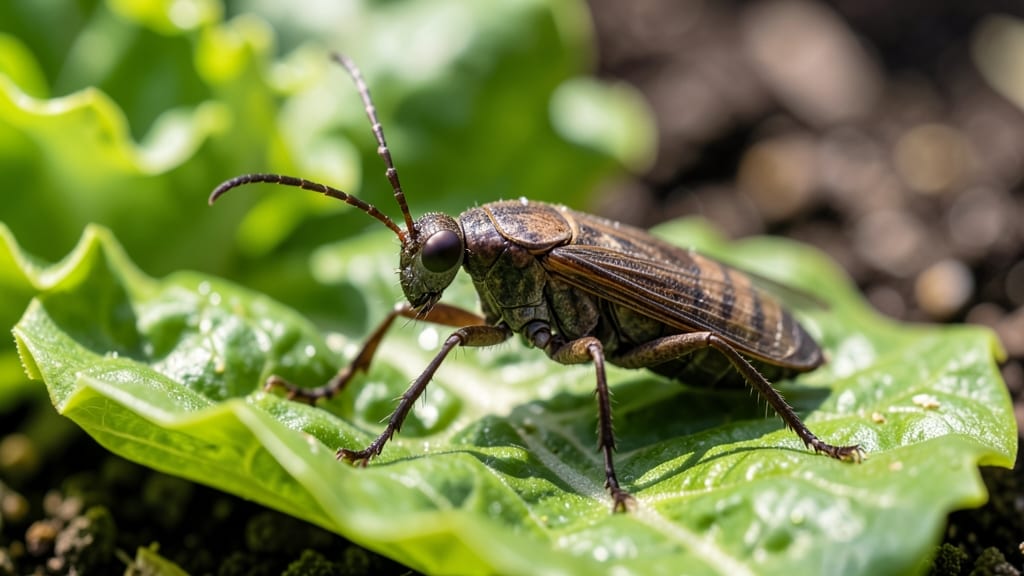
How to deal with earwigs turning your garden into their all-you-can-eat buffet? 🌱 These pincher-wielding pests chew leaves, munch flowers, and hide in damp corners—but there are proven ways to kick them out for good. I’ve battled them in my own yard, and the right mix of traps, sprays, and barriers actually works.
Most people panic and reach for harsh chemicals, but that’s overkill. Earwigs thrive in moist, dark spots, so the real fix starts with simple fixes: remove hiding places, use DIY traps (like rolled-up newspaper or beer-soaked cardboard), and try neem oil sprays for organic control.
No fancy equipment needed—just elbow grease and smart placement.
By next week, you’ll see fewer curled leaves and more flowers thriving. The key is consistency: check traps daily, keep mulch dry, and seal up cracks where they sneak in. Even my worst-infested beds turned around with these methods—no more midnight raids on my hostas.
Works for veggie gardens, flower beds, and even patio containers. Let’s get those pests out for good without poisoning your soil or scaring off pollinators. Here’s the step-by-step plan that’s saved my plants—and yours can be next.
The Hidden Triggers Inviting Earwigs
Earwigs aren’t just random pests—they’re drawn to your home by specific conditions and cues. Understanding these triggers helps you stop the problem at the source before they become a nuisance. Here’s why these creepy-crawlies show up when they do:
Earwigs thrive in damp environments because their exoskeletons are prone to drying out. Without moisture, they can’t survive long. That’s why you’ll often find them:
- Under mulch or leaf litter – Organic debris retains moisture, creating a perfect breeding ground. A single damp leaf can hold dozens of earwigs.
- Near leaking pipes or faucets – Even a slow drip provides the humidity they crave. Check basements, bathrooms, and kitchens first.
- In potted plants with soggy soil – Overwatering turns plant saucers into earwig buffets. They’ll migrate indoors if outdoor conditions dry out.
- After heavy rain or high humidity – Earwigs seek shelter when moisture spikes. That’s why they often invade homes right after a downpour.
Actionable fix: Reduce standing water, fix leaks, and let soil dry between waterings. Earwigs will lose their favorite real estate.
Earwigs are nocturnal scavengers, meaning they’re most active after dark when hunting for food. Their indoor invasions usually happen because:
- Lights attract insects (which earwigs eat) – Outdoor lights lure moths, flies, and beetles, which in turn draw earwigs. Once inside, they stay for the buffet.
- Warmth draws them in – Heated homes (especially in cooler months) feel like a cozy retreat. They slip in through cracks, windows, or doors left ajar.
- They’re drawn to decaying organic matter – Rotten fruit, compost bins, or even pet food left out overnight signals an easy meal.
Pro tip: 💡 Seal gaps around doors, install door sweeps, and use yellow bug lights (which attract fewer pests) if you need outdoor lighting.
Earwigs reproduce rapidly in ideal conditions—so much so that overcrowding forces them to seek new territory. Common outdoor triggers include:
- Thick vegetation near your home – Bushes, ivy, or tall grass touching your foundation create a highway for earwigs to walk inside.
- Woodpiles or stacked firewood – These hold moisture and provide shelter. A single pile can host hundreds of earwigs.
- Lack of natural predators – Birds, spiders, and centipedes keep earwig populations in check. Without them, numbers explode.
- Seasonal shifts (spring/summer) – Warmer months mean more food and moisture, leading to mass migrations into homes.
Actionable fix: Trim back plants, store firewood at least 20 feet from your house, and encourage predators with birdhouses or spider-friendly gardens.
Earwigs aren’t picky eaters—they’ll munch on almost any organic material. Common indoor food sources that attract them:
| Food Source | Why It Attracts Earwigs |
|---|---|
| Overripe fruit | Fermenting sugars and soft textures make it easy to eat. |
| Pet food left out | Protein-rich and moist—like an all-you-can-eat buffet. |
| Compost bins (even indoor ones) | Decaying matter is their natural habitat. If it’s inside, they’ll stay. |
| Crumbs or spills in cabinets | Tiny particles signal food availability, triggering scouts to return with reinforcements. |
Quick win: 🎯 Store food in airtight containers, clean up spills immediately, and take out trash regularly—especially in kitchens and garages.
Quick Fixes for Earwig Problems
Earwigs may seem like a minor nuisance, but their presence in your home or garden can be unsettling—and even damaging if left unchecked. The good news? With the right approach, you can eliminate them fast and keep them from returning.
Below, we’ve mapped out practical solutions based on the most common causes of earwig infestations, from outdoor entry points to indoor hideouts. Each fix is designed to be easy, effective, and non-toxic where possible, so you can tackle the problem without harsh chemicals.
If earwigs are sneaking into your home through gaps, doors, or windows, sealing entry points is your first line of defense.
🔧 Seal Cracks and Gaps
Earwigs slip through tiny spaces—as small as 1/16 of an inch—so inspect your home’s exterior for weak spots.
- Check around: Doors, windows, vents, pipes, and foundation cracks.
- Use caulk or weather stripping to fill gaps.
For larger holes, steel wool + caulk works best (earwigs can’t chew through it). - Install door sweeps on exterior doors to block crawl spaces.
🌿 Remove Moisture and Debris
Earwigs thrive in damp, dark areas. Dry out their favorite hiding spots to make your property less inviting.
- Clear leaf litter, mulch, and wood piles from your yard (especially near the foundation).
- Fix leaky faucets, gutters, and downspouts—standing water attracts them.
- Improve drainage around your home’s perimeter with gravel or sand.
🌙 Use Light Traps (For Nighttime Hunters)
Earwigs are nocturnal, so they’re drawn to outdoor lights. Turn the tables with a DIY light trap: 1. Place a white bucket or jar near an outdoor light.
- Fill it with soapy water (earwigs drown quickly).
- Check and empty it daily during peak earwig activity (spring and fall).
Once inside, earwigs hide in dark, moist areas like bathrooms, basements, and laundry rooms. Flush them out without chemicals.
🧹 Vacuum and Dust Regularly
Earwigs love clutter—books, cardboard, and fabric piles give them shelter.
- Vacuum baseboards, under furniture, and behind appliances (especially in damp areas).
- Shake out shoes, towels, and bedding—earwigs hide in fabrics.
- Store firewood and paper products at least 20 feet from your home.
💧 Reduce Indoor Humidity
Earwigs need moisture to survive. Lower humidity to make your home less hospitable.
- Use dehumidifiers in basements and bathrooms (aim for 50% humidity or less).
- Fix plumbing leaks and run exhaust fans after showering.
- Wipe down surfaces in damp areas (like sinks and showers) to remove standing water.
🍞 Bait Traps (Non-Toxic & Effective)
Earwigs are cannibalistic—they’ll eat each other if given the chance. Use this to your advantage: 1. Soak cardboard in soapy water and place it near entry points.
- Roll it up and secure it with a rubber band.
- Check daily—earwigs will crawl inside and drown. Dispose of the trap when full.
Prevent earwigs from moving in by creating a barrier they won’t cross.
🌿 Diatomaceous Earth (DE) – The Silent Killer
Food-grade DE is a powdery mineral that dehydrates earwigs on contact.
- Sprinkle a thin layer along:
- Foundation edges
- Window sills
- Under doors
- Garden beds (especially near plants they love)
- Reapply after rain—it loses effectiveness when wet.
- ⚠️ Wear a mask when applying to avoid inhaling dust.
🍋 Essential Oil Sprays (Safe & Smelly to Earwigs)
Earwigs hate strong scents. Mix 10-15 drops of:
- Peppermint oil
- Citrus oil (lemon, orange)
- Cedarwood oil
- Tea tree oil
With 1 cup of water + 1 tsp dish soap in a spray bottle. Spray around:
- Entry points
- Plant bases
- Under outdoor furniture
Reapply every 3-5 days or after rain.
🪴 Plant Earwig-Repelling Herbs
Some plants naturally deter earwigs while adding beauty to your garden.
- Mint
- Lavender
- Basil
- Marigolds
- Rosemary
Plant these near your home’s perimeter to create a natural earwig-free zone.
Once you’ve eliminated existing earwigs, keep them from coming back with these long-term strategies:
💡 🌡️ Keep Your Yard Tidy – Earwigs love hiding in mulch, rocks, and dense vegetation. Keep grass short and remove debris regularly.
💡 🌧️ Improve Drainage – Earwigs gather in wet areas. Ensure gutters are clean, downspouts direct water away, and slopes lead water away from your foundation.
💡 🌿 Use Gravel or Sand Borders – Create a 2-3 foot barrier of gravel or coarse sand around your home’s foundation. Earwigs avoid dry, gritty surfaces.
💡 🍂 Fall & Spring Maintenance – These are peak earwig seasons. Inspect and treat your home before they move in.
💡 🐛 Monitor with Sticky Traps – Place yellow sticky traps near entry points to catch earwigs early before they become a problem.
If earwigs persist despite your efforts, it may be time to bring in an exterminator. Signs you need help:
- Large clusters of earwigs indoors.
- Damage to plants or fabrics (earwigs chew leaves and fabrics).
- Recurring infestations after multiple treatments.
A pest control expert can assess hidden nesting sites and apply targeted, long-lasting solutions.
Frequently asked questions about earwig control
Are earwigs dangerous to humans?
No, earwigs are harmless to humans—they don’t bite or spread diseases. Their pincers are only used for defense against predators, not people. The real concern is their damage to plants and fabrics, not health risks. You’ll only feel their presence when they crawl across your skin at night!
Why do earwigs come inside my home?
They’re seeking moisture, warmth, and food. Earwigs invade homes after rain when outdoor conditions become too damp. They also follow insects attracted to lights or sneak in through tiny cracks searching for shelter. Seal entry points and reduce humidity to stop them!
What’s the fastest way to get rid of earwigs in my garden?
Use diatomaceous earth or neem oil spray for immediate results. Sprinkle DE around plant bases or mix neem oil with water (1 tbsp per gallon) and spray at dusk. Check traps daily—earwigs dehydrate within hours of DE contact and die from neem oil exposure.
Can I use beer traps for earwigs like I would for slugs?
Yes! Fill shallow containers with beer and place them near infested areas. Earwigs are attracted to the yeast and drown within minutes. Check traps morning and night during peak seasons (spring/fall) for best results. Empty and refresh the beer every 2-3 days.
How long does it take to see results from earwig treatments?
Most methods show improvement within 3-5 days of consistent application. For severe infestations, combine traps (like rolled newspaper) with barriers (DE or essential oil sprays). Monitor daily—earwigs reproduce quickly, so persistence is key. Full elimination may take 2-3 weeks.