
Succulent
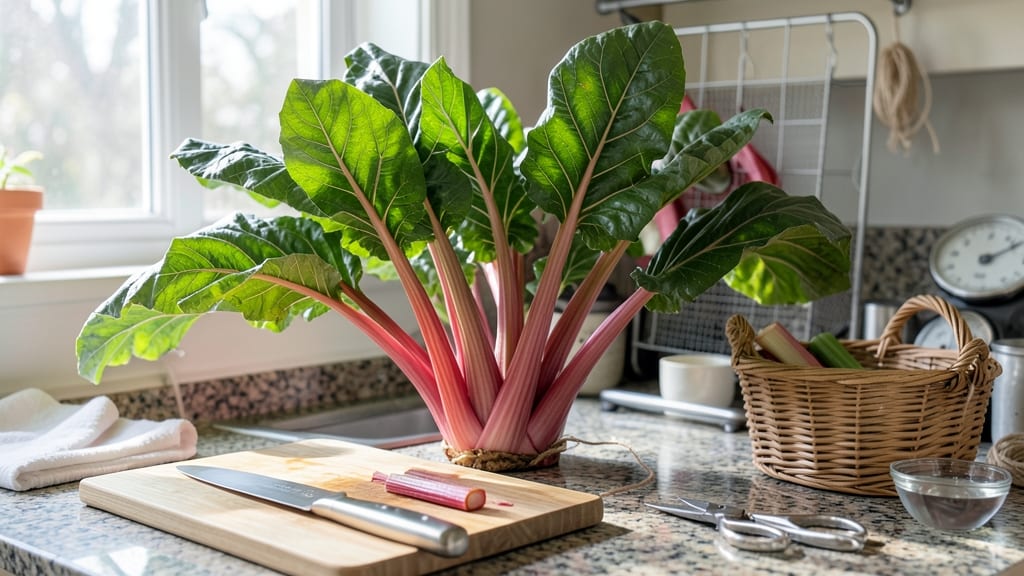
How to dry rhubarb transforms its vibrant tartness into a pantry staple that brightens teas, pies, and compotes months after the last stalk appears in your garden. The secret lies in proper prep—washing, slicing, and blanching—to lock in flavor while preventing mold or uneven drying.
Start with clean, firm stalks cut into ¼-inch thick slices—thinner pieces dry faster but may lose texture. Blanching for 2-3 minutes preserves color, though it’s optional for dehydrator methods. Skip the oxalic acid worries: proper drying neutralizes any concerns, leaving you with safe, shelf-stable pieces that taste like summer.
Three methods work equally well: a dehydrator at 135°F for 6-8 hours, a low oven at 175°F with the door cracked, or air-drying on a mesh rack for 3-5 days in a warm, dry spot.
Test for doneness—pieces should crumble easily but not turn brown. Store in airtight containers away from light for up to 6 months.
Rehydrate dried rhubarb in warm water for stews or chop it into powder for baking—it’s the ultimate way to extend your harvest’s shelf life. Just avoid overcrowding during drying, or you’ll risk uneven results. With this method, your garden’s bounty keeps giving long after the growing season ends.
📚 In This Guide
- What you need
- Instructions
- Tips and common mistakes
- Wrapping up and next steps
What you need
- ● Fresh rhubarb stalks: 2–3 lbs (about 1 bunch), organic if possible, washed and trimmed to remove leafy tops.
- ● Sharp knife or kitchen shears: For cleanly slicing stalks into even pieces (¼–½ inch thick).
- ● Cutting board: A sturdy one to protect your countertops.
- ● Baking sheet: A large, flat tray (preferably with raised edges) to hold rhubarb slices.
- ● Parchment paper or silicone mat: To prevent sticking and make cleanup easier.
- ● Food dehydrator: Set to 135°F (57°C) for even drying, or an oven preheated to its lowest setting (170°F/77°C max).
- ● Air-tight storage containers: Glass jars with lids (like mason jars) or vacuum-sealed bags for long-term storage.
- ● Citric acid or lemon juice: A pinch (¼ tsp per pound) to preserve color and prevent browning.
- ● Fine-mesh strainer: If you want to blend dried rhubarb into powder for teas or baking.
- ● Humidity absorber: Like silica gel packets in storage containers to keep moisture out.
- ● Labeling supplies: Masking tape + marker to date your dried rhubarb.
Step-by-step instructions for drying rhubarb
Preserving rhubarb this way locks in its bright flavor and extends its shelf life dramatically.
Harvest and Prepare the Rhubarb
Select firm, vibrant stalks with no signs of softness or mold. Cut them into 1-inch thick slices using a sharp knife—thicker pieces take longer to dry, while thinner ones risk burning. I like to work in batches of about 4 cups of chopped rhubarb at a time for even drying.
Pat the slices dry with a clean kitchen towel to remove excess moisture. This step is critical—any lingering water will slow drying and create a breeding ground for mold. Arrange the pieces in a single layer on a baking sheet lined with parchment paper, ensuring they don’t overlap.
Dehydrate Using Low Heat
Preheat your oven to 175°F—this gentle temperature prevents scorching while effectively removing moisture. Place the baking sheet on the middle rack and prop the oven door open 2-3 inches with a wooden spoon to allow steam to escape. This airflow is key to even drying.
Bake the rhubarb for 4-6 hours, checking periodically. The slices are ready when they’re leathery to the touch and no longer pliable. You’ll notice the edges curl slightly, and the color deepens to a rich amber. Remove them immediately if they darken too much—they’ll continue drying as they cool.
Cool and Store Properly
Let the dried rhubarb cool completely on the baking sheet before transferring it to an airtight container. I use glass jars with tight-sealing lids to preserve freshness. Store the jars in a cool, dark place—direct light can degrade the flavor over time.
When stored correctly, dried rhubarb keeps for up to 6 months. The texture becomes chewy and concentrated, perfect for teas, compotes, or baking. If you notice any moisture on the container’s interior after a few weeks, the rhubarb wasn’t fully dried—reheat it at 175°F for another hour to finish the process.
Rehydrate or Use Directly
To use dried rhubarb in recipes, you can either rehydrate it or incorporate it directly. For rehydration, soak 1 cup of dried rhubarb in 2 cups of hot water for 15-20 minutes until softened. For direct use, crush the dried pieces into a powder or finely chop them—this works well in spice blends or as a tart additive to baked goods.
Here’s the thing—dried rhubarb loses some volume but gains intensity. A 1:3 ratio (1 part dried to 3 parts fresh) works well in most recipes. For example, if a recipe calls for 2 cups of fresh rhubarb, use about ⅔ cup of dried. Taste as you go, as the tartness concentrates during drying.
Tips & tricks for perfectly dried rhubarb
Here's what nobody tells you about achieving restaurant-quality dried rhubarb at home.
Slice Uniformity: Cutting rhubarb into consistent 1-inch slices is non-negotiable. I've learned this the hard way—uneven slices dry at different rates, leading to some pieces that are leathery while others remain damp. Use a sharp knife and measure each slice against a ruler for precision. This uniformity ensures every piece reaches the perfect chewy texture simultaneously.
Moisture Control: The drying process hinges on moisture removal, so patting the slices thoroughly with a clean kitchen towel is absolutely critical. Any lingering water creates a steam barrier that slows drying and risks mold formation. I double-check by pressing a slice between paper towels—if it leaves a wet mark, it needs another round of drying before baking.
Oven Airflow Strategy: Propping the oven door open 2-3 inches during the 4-6 hour drying process creates a convection effect that ensures even drying throughout the oven. Without this airflow, you'll likely get uneven results with some pieces drying faster than others. I place a wooden spoon under the door handle to maintain consistent airflow without letting too much heat escape.
Doneness Test: The leathery texture is your target, but visual cues help determine when the rhubarb is ready. Look for edges that curl slightly and a rich amber color—this indicates proper dehydration. The slices should no longer feel pliable when pressed gently. If they darken too much, they'll continue drying as they cool, so remove them promptly to prevent over-drying.
Pro Tips for Dry Rhubarb
- Here's what nobody tells you about achieving restaurant-quality dried rhubarb at home.
- Slice Uniformity: Cutting rhubarb into consistent 1-inch slices is non-negotiable. I've learned this the hard way—une...
- Moisture Control: The drying process hinges on moisture removal, so patting the slices thoroughly with a clean kitche...
Frequently asked questions
Got questions about drying rhubarb? You’re not alone—this tart gem requires a little extra care! Here are answers to the most common queries to help you preserve your harvest like a pro.
How long does it take to dry rhubarb?
Drying rhubarb typically takes 12–24 hours in a dehydrator at 135°F (57°C), or 6–12 hours in an oven on low heat. For air-drying, it can take 3–7 days depending on humidity. Check for crispness—stems should snap easily, not bend.
Can I dry rhubarb without a dehydrator?
Use an oven (set to 170°F/77°C, prop the door open), a sunny windowsill (2–3 days, covered with mesh), or a food dehydrator. For oven drying, slice thinly (¼-inch) and bake on parchment-lined trays. Stir occasionally for even drying.
How do I store dried rhubarb to keep it fresh?
Store dried rhubarb in airtight containers (glass jars or resealable bags) in a cool, dark place for up to 6 months. Add a silica gel packet to absorb moisture. Avoid the fridge—humidity speeds up spoilage. Label with the date!
Why is my dried rhubarb still sticky or moldy?
Sticky rhubarb = overly moist or high humidity. Mold? It likely wasn’t dry enough. Fix it: Spread slices on a rack for extra air circulation and finish drying at a higher temp (160°F/71°C). Always check for soft spots before storing.
What’s the best way to use dried rhubarb?
Rehydrate in warm water or broth (1:3 ratio) for 10–15 minutes before using in composts, pies, or sauces. It’s also great in tea blends (steep like herbal tea) or as a tart garnish for desserts. Pro tip: Crush dried rhubarb into powder for baking!
Wrapping up and next steps
Drying rhubarb is a fantastic way to savor its tangy-sweet flavor long after the growing season ends! Whether you’re prepping for winter baking or stocking your pantry, the key is patience—let it dry slowly for the best texture and taste.
Now that you’ve mastered the process, why not experiment? Try dried rhubarb in comfits, teas, or even homemade jam for a unique twist. Grab those stalks, get creative, and enjoy the rewards of your effort—your future self will thank you! 🌟