
How To
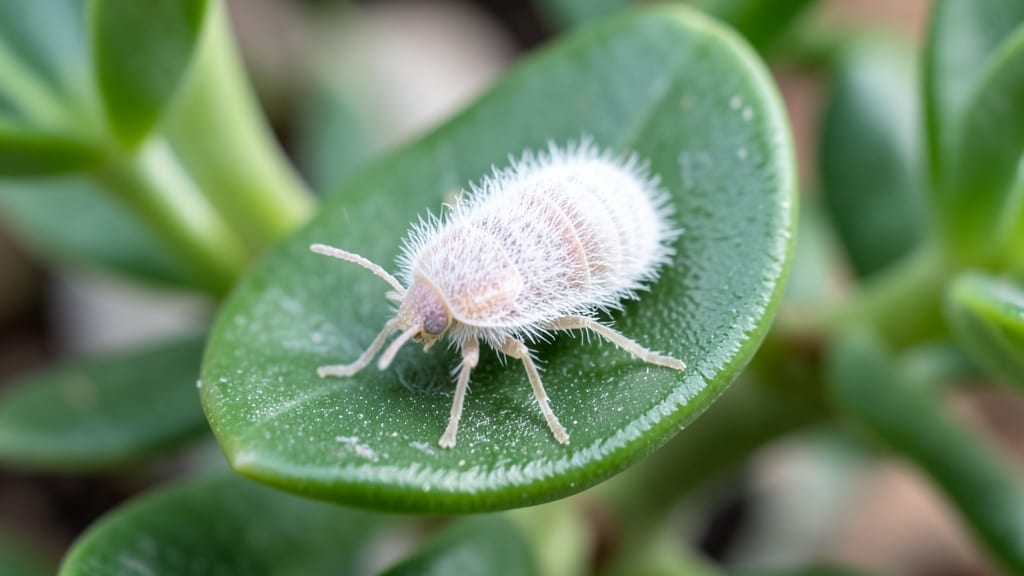
How to eliminate mealybugs on Portulacaria afra indoor plants turned my once-healthy succulent into a sticky mess. 🌱 These cottony pests drain sap, leaving plants weak and yellow—until I discovered this neem oil soak that smothers every life stage without harming the plant. The key? A gentle approach that works for drought-loving succulents. Most solutions drown roots or leave chemical residue. This method uses a 1-teaspoon neem oil to 1-quart water soak for 10 minutes, repeated every 3 days until gone. No harsh sprays, no overwatering—just targeted treatment where mealybugs hide. Your plant’s glossy leaves will bounce back faster than you’d expect. By day 7, you’ll see new growth pushing out, and those cottony clusters will vanish. The secret? Neem oil disrupts their life cycle while being safe for indoor air. Just avoid soggy soil—this plant hates it as much as mealybugs do. Works for reinfested plants too. Here’s how to keep them mealybug-free long-term—without the guesswork.
Root Causes of Mealybug Infestations
Mealybugs on your Portulacaria afra (elephant bush) don’t just appear out of nowhere—they’re drawn to specific conditions that make your plant a perfect buffet. Understanding these triggers is the first step to stopping them in their tracks. Let’s break down the why behind these sneaky pests.
Mealybugs are opportunistic pests—they target plants that are already struggling. When your Portulacaria afra is stressed, its natural defenses weaken, making it an easy target.
- Overwatering or Poor Drainage 💧 Mealybugs thrive in damp, humid environments. If your soil stays soggy (or your plant sits in saucers of standing water), you’re creating the perfect breeding ground. Poor drainage also stresses roots, weakening the plant’s ability to fight off invaders.
- Nutrient Deficiencies 🌱 A lack of essential nutrients—especially nitrogen, phosphorus, or potassium—can stunt growth and reduce resilience. Weak foliage is easier for mealybugs to penetrate with their piercing-sucking mouthparts.
- Physical Damage ⚔️ Bruised leaves (from rough handling, pests, or even overcrowded pots) release sugars that attract mealybugs. These pests are drawn to "wounded" plants, as the exposed sap provides an instant energy source.
Your indoor climate plays a huge role in mealybug activity. These pests love warmth, humidity, and low airflow—conditions that mimic their natural tropical habitats.
- High Humidity Levels 🌧️ Mealybugs prefer environments with 60-80% humidity. If your home is naturally humid (common in bathrooms or kitchens) or you’re misting your plants too often, you’re signaling to them: "All you can eat!"
- Poor Air Circulation 🌀 Stagnant air traps moisture and heat, creating a cozy hideout for mealybugs. If your Portulacaria afra is tucked away in a corner with no airflow, pests can multiply unchecked.
- Temperature Fluctuations 🔥❄️ Mealybugs thrive in warmth (70–85°F). Drafty windows, heating vents, or sudden temperature drops can stress your plant, making it more vulnerable. They also slow down natural predator activity (like ladybugs), giving them free rein.
Sometimes, the problem isn’t your plant’s fault—it’s yours (or someone else’s). Mealybugs hitch rides on tools, new plants, and even visitors.
- Infested New Plants or Soil 🛒 Bringing home a new houseplant without quarantining it? You might accidentally introduce mealybugs. These pests can hide in soil, leaf axils, or even on the stems of seemingly healthy plants.
- Shared Gardening Tools 🔪 Pruners, pots, or watering cans contaminated with mealybugs can transfer them to your Portulacaria afra. Always clean tools with rubbing alcohol before and after use.
- Pests from Outdoor Sources 🌿 If you’ve been near infested outdoor plants, mealybugs can hitch a ride on clothing, shoes, or even pets. A quick shake outside or a wipe-down with soapy water can prevent accidental introductions.
Mealybugs are attracted to plants with high sugar content or sticky residues, which can happen due to:
- Over-fertilizing (especially with nitrogen-heavy fertilizers), leading to soft, sugary growth.
- Sap buildup from pruning wounds or natural exudates (like honeydew from aphids, which mealybugs also love).
- Pesticide or chemical residue from previous treatments, which can disrupt the plant’s natural defenses.
In nature, mealybugs face predators like ladybugs, lacewings, and parasitic wasps. Indoors, these helpers are often missing, giving mealybugs free rein.
- Sealed Environments 🏠 Without predators, mealybug populations explode. Even a single female can lay hundreds of eggs, leading to a full-blown infestation in weeks.
- Overuse of Broad-Spectrum Pesticides 🚫💊 Harsh chemicals kill beneficial insects along with pests, leaving your plant defenseless. Neem oil and insecticidal soap are safer alternatives that don’t harm predators.
Now that you know why mealybugs target your Portulacaria afra, you can take proactive steps to eliminate their appeal. Reduce stress, improve airflow, and quarantine new plants—these simple actions can make your elephant bush a less inviting meal.
Stay tuned for the next section, where we’ll dive into how to smother mealybugs at every life stage with a neem oil soak! 🌿🔥
How to Treat Mealybugs Effectively
Mealybugs may be stubborn, but with the right approach, you can completely eliminate them from your Portulacaria afra (elephant bush) and prevent future infestations. Below are targeted solutions based on the most common causes—from early detection to long-term protection.
Before treating, confirm the problem to avoid wasting time on the wrong fixes:
- Check leaves, stems, and joints for cottony white clusters (mealybugs) or sticky residue (honeydew).
- Inspect soil—sometimes bugs hide in the base or pots.
- Look for ants (they love honeydew and protect mealybugs—remove them too!).
💡 Pro Tip: Use a magnifying glass or flashlight for hidden spots, especially in dense foliage.
For small infestations, start with these low-toxicity techniques:
1. 🧼 Soapy Water Spray (Best for Early Stages)
- Mix 1 tsp mild dish soap (like Castile) with 1 quart warm water.
- Dip a soft cloth or sponge in the solution and gently wipe every leaf and stem.
- Focus on crevices where bugs hide.
- Repeat every 3–5 days until gone (mealybugs lay eggs!).
✨ Why It Works: Soap dissolves their waxy coating, dehydrating them instantly.
2. 🌿 Neem Oil Soak (Kills All Life Stages)
- Recipe: 1 tbsp neem oil + 1 tsp honey or dish soap (as an emulsifier) + 1 quart water.
- Spray thoroughly (especially undersides) or soak the plant for 10–15 minutes in the solution.
- Reapply every 7–10 days for 3–4 weeks (covers eggs too!).
🔥 Hot Tip: Shake the bottle well before each use—neem oil separates!
3. 🍋 Rubbing Alcohol Wipe (For Stubborn Clusters)
- Dampen a cotton swab with 70% isopropyl alcohol.
- Wipe mealybugs directly—they’ll dissolve on contact.
- Best for small, isolated patches (not ideal for large plants).
⚠️ Warning: Avoid over-wetting—Portulacaria afra is drought-tolerant!
If natural methods fail, stronger (but targeted) solutions work:
1. 💊 Systemic Insecticide (For Severe Cases)
- Use a neonicotinoid-free systemic spray like Dinotefuran (e.g., Safers®).
- Follow label instructions—apply to soil and foliage.
- Water the plant after treatment to help absorption.
🌡️ Caution: Re-pot the plant if using soil drenches to avoid contaminating other plants.
2. 🪲 Beneficial Insects (Long-Term Control)
- Release ladybugs, lacewings, or cryptolaemus beetles—they eat mealybugs on sight.
- Where to buy: Garden centers or online (e.g., ArborJet or GardenSafe).
🎯 Bonus: These predators also control other pests like aphids and scale.
Once mealybugs are eliminated, break the cycle with these proactive steps:
| Prevention Step | How to Do It | Why It Works |
|---|---|---|
| 🌿 Quarantine New Plants | Keep new additions separate for 2–4 weeks before introducing them. | Stops hidden pests from spreading. |
| 🕷️ Eliminate Ants | Use diatomaceous earth or ant bait stations near your plants. | Ants protect mealybugs—remove them first! |
| 💦 Prune Regularly | Trim yellowing or crowded leaves to improve airflow. | Reduces hiding spots for pests. |
| 🌡️ Monitor Humidity | Keep humidity below 60% (mealybugs love damp conditions). | Dries out their environment. |
| 🌱 Inspect Monthly | Check undersides and joints every 4 weeks with a flashlight. | Catches infestations before they spread. |
💡 Extra Defense: Dust plants lightly with cinnamon powder (natural repellent) or kaolin clay (creates a barrier).
- Week 1–2: Manual removal + neem oil sprays.
- Week 3–4: Reapply treatments if new bugs appear (eggs hatch!).
- Month 2: If no new signs, reduce to monthly checks.
- Ongoing: Prevention habits (quarantine, pruning, ant control).
🚀 Success Sign: New growth without sticky residue = mealybugs are gone for good!
Final Reminder: Patience is key—mealybugs reproduce fast, but consistent treatment wins. Your Portulacaria afra will bounce back stronger and pest-free!
Frequently asked questions
How do I know if my Portulacaria afra has mealybugs?
Look for cottony white clusters in leaf joints, under leaves, or along stems. Check for sticky residue (honeydew) on leaves or windowsills below the plant. Use a magnifying glass for hidden spots—mealybugs love crevices!
Can I use neem oil on other indoor plants if I have Portulacaria afra?
Yes! Neem oil is safe for most houseplants, but always test a small leaf first for sensitivity. Dilute it properly (1 tbsp neem + 1 tsp soap per quart water) and avoid overwatering—succulents like yours hate soggy roots.
What if mealybugs keep coming back after treatment?
They likely hatched from unhatched eggs—reapply neem oil every 7-10 days for 3-4 weeks. Also check for ants (they protect mealybugs) and improve airflow by pruning crowded growth.
Is rubbing alcohol safe for Portulacaria afra?
Use 70% isopropyl alcohol sparingly—only on visible mealybug clusters. It dries bugs instantly but can damage leaves if overused. Wipe gently with a cotton swab and avoid saturated areas.
How do I prevent mealybugs from spreading to other plants?
Quarantine infested plants immediately and clean tools with rubbing alcohol between uses. Wipe down surfaces near your plants and avoid overcrowding—good airflow stops pests from hitching rides.