
Aphids
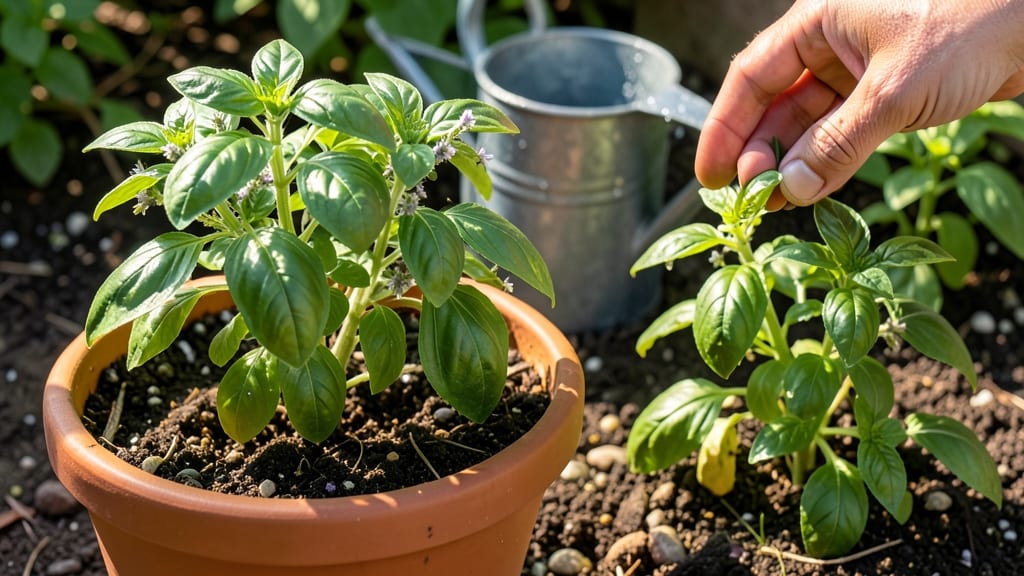
How to encourage basil growth starts with sunlight and soil. 🌿 I’ve learned the hard way that basil won’t thrive if you skimp on these basics—my first plants bolted within weeks because I gave them too little light and too much shade. The difference between leggy, sparse growth and a lush, fragrant bush comes down to a few simple adjustments you can make right away.
Start with well-draining soil rich in organic matter—think compost or a mix of potting soil and perlite. Basil hates soggy roots, so if your container doesn’t have drainage holes, add a layer of pebbles at the bottom.
Place your plants in a spot where they’ll get at least 6-8 hours of direct sunlight daily, whether that’s a sunny windowsill or a sheltered outdoor spot. If you’re growing indoors, a grow light for 12-14 hours a day can make all the difference when natural light is lacking.
Watering is where most people go wrong—too much or too little, and the plant either drowns or wilts. Keep the soil consistently moist but never waterlogged; stick your finger an inch into the soil before watering.
When it’s dry at that depth, give it a drink until water runs out the drainage holes. Pinch off the flowers as soon as they appear, because basil puts all its energy into blooming instead of growing leaves. This alone can double your harvest.
For extra vigor, feed your basil every 2-3 weeks with a balanced liquid fertilizer (like fish emulsion or compost tea), but cut back in the last month of growth to encourage sweeter leaves. The key to long-term success?
Prune regularly—snip the top sets of leaves to promote bushier growth, and harvest leaves from the top down to keep the plant compact. With these tweaks, your basil won’t just survive; it’ll thrive, producing enough for pesto, salads, and more all season long.
📚 In This Guide
- What you need
- Instructions
- Tips and common mistakes
- Wrapping up and next steps
What you need
- ● Basil plants: 2-6 healthy basil seedlings or cuttings (genovese, sweet, or Thai varieties work best).
- ● Well-draining potting mix: 2-3 gallons of high-quality, organic potting soil (look for a blend with perlite or coconut coir for aeration).
- ● Containers: 1-2 pots per plant (5-7 inches in diameter for seedlings, 12+ inches for mature plants).
- ○ Optional: Self-watering pots or grow bags for better moisture control.
- ● Fertilizer: Balanced liquid fertilizer (10-10-10 or 20-20-20, diluted to half-strength) or organic options like fish emulsion or compost tea.
- ● Watering can or spray bottle: With a fine rose attachment for gentle watering.
- ● Pruning shears or clean scissors: Sharp, sterilized tools to trim stems and encourage bushiness.
- ● Gloves: Lightweight gardening gloves to protect your hands.
- ● pH testing kit: To ensure your soil is slightly acidic to neutral (pH 6.0-7.0).
- ● Mulch or shredded leaves: 1-2 inches to retain moisture and suppress weeds.
- ○ Grow lights (optional): LED or fluorescent lights (12-16 hours/day) for indoor setups.
- ○ Aphid spray (optional): Neem oil or insecticidal soap to combat pests like aphids.
Step-by-Step instructions for growing bushy basil plants
Here's how I turn leggy basil into thick, flavorful bushes—no fancy tricks, just smart care.
☀️ Step 1: Give It Plenty of Light (But Not Too Much)
Basil thrives on 6-8 hours of direct sunlight daily. Place your pot in the sunniest spot you have—south-facing windows are ideal. If you notice stems stretching tall and pale, your plant isn’t getting enough light. I like to rotate the pot a quarter turn every few days so it grows evenly instead of leaning.
Watch for these signs: Leaves should be bright green and crisp. If they start yellowing or browning at the edges, it’s getting too much harsh afternoon sun. Move it to a spot with morning sun and afternoon shade if needed. Too little light makes basil grow weak and flavorless—you’ll know it’s struggling when leaves look sparse and stems get thin.
💧 Step 2: Water Consistently (But Avoid Overdoing It)
Basil hates soggy soil. Water when the top inch feels dry to the touch. Stick your finger in the soil—if it’s damp, wait another day. I water deeply until it drains from the bottom, then empty the saucer to prevent root rot. Overwatering is the fastest way to kill basil, so I’d rather see it wilt slightly than drown it.
Here’s the trick: Water in the morning so leaves dry by evening. Wet foliage at night attracts fungal diseases. You’ll notice the soil should stay evenly moist but not waterlogged. If the leaves start curling or dropping, you’re probably overwatering. Basil is drought-tolerant once established—it’s better to underwater slightly than drown it.
✂️ Step 3: Prune Regularly for Bushier Growth
This is where basil magic happens. Pinch off the top set of leaves when the plant has 4-6 true leaves. Use your fingers or clean scissors to snip just above a leaf pair. This encourages the plant to branch out instead of growing tall and leggy. I do this every 2-3 weeks to keep my basil bushy and productive.
Don’t skip this step—I’ve seen basil go from a sad stalk to a thick bush just from regular pruning. Watch for new side shoots forming below the pinch point. These will grow into sturdy stems. If you wait too long, the plant gets woody and loses flavor. Always prune in the morning so cuts heal in the daylight.
🌱 Step 4: Feed It Lightly (But Not Too Much)
Use a balanced liquid fertilizer (10-10-10) diluted to half strength. Feed every 4-6 weeks during the growing season. I mix it into the water and apply it in the morning. Too much fertilizer burns roots and makes leaves taste harsh. Basil is a light feeder—it’s better to under-fertilize than overdo it.
You’ll know it’s happy when new leaves grow quickly and smell strongly. If leaves yellow between the veins, that’s a sign of over-fertilizing. Flush the soil with plain water to cleanse it. Organic options like compost tea work too—just follow package instructions. The goal is to keep basil growing strong without overwhelming it.
🪴 Step 5: Repot or Divide When Needed
Basil gets root-bound fast. If you see roots circling the bottom or growth slowing, it’s time to repot. Choose a container 2-3 inches larger with fresh potting mix. Gently loosen the roots before transferring. I repot in early spring to give it a fresh start for the season.
You can also divide basil by snipping off healthy stems and rooting them in water. Place cuttings in a jar with 2 inches of water, keeping them in bright light. Roots form in 1-2 weeks. This is how I get free basil plants—just trim what I need and propagate the rest. Always use clean scissors to avoid spreading disease.
Tips & tricks for perfect basil growth
These simple strategies will transform your leggy basil into a lush, flavorful bush—no green thumb required.
Light Strategy: The 6-8 hours of sunlight in Step 1 is non-negotiable for basil's health. For indoor growers, supplement with a grow light if natural light falls short. Place the light 6-12 inches above the plant and use it for 12-14 hours daily. I've seen basil go from sad to thriving just by adding this extra light—especially in winter months when days shorten.
Pruning Timing: That 2-3 week pruning schedule in Step 3 works wonders, but here's the secret: always prune just above a leaf pair where new growth emerges. This creates the perfect branching points. I've ruined batches by cutting too low—now I mark the spot with my finger first to visualize where the new leaves will form. The key is consistency: don't wait until the plant looks woody to prune.
Watering Wisdom: The top inch dry test in Step 2 is foolproof, but I've learned to adjust for season. In summer heat, check the soil every morning—basil can dry out faster. In cooler months, you might only need watering every 3 days. The soil should feel like a wrung-out sponge: damp but not dripping. Overwatering is the silent killer of basil, so when in doubt, wait another day.
Fertilizer Finesse: That 10-10-10 fertilizer at half strength is perfect, but timing matters. I feed mine right after pruning—this gives the plant energy to recover and grow new branches. If you notice leaves curling or developing brown spots between veins, flush the soil immediately with plain water. Basil is a light feeder, so less is always better than more when it comes to fertilizer.
Pro Tips for Encourage Basil Growth
- These simple strategies will transform your leggy basil into a lush, flavorful bush—no green thumb required.
- Light Strategy: The 6-8 hours of sunlight in Step 1 is non-negotiable for basil's health.
- Pruning Timing: That 2-3 week pruning schedule in Step 3 works wonders, but here's the secret: always prune just above a leaf pair where new growth emerges.
Frequently asked questions
Got questions about growing lush, thriving basil?
You’re not alone! Here are answers to the most common concerns—from sunlight struggles to pest troubles—so you can keep your basil happy and productive.
How much sunlight does basil really need per day?
Basil thrives with 6–8 hours of direct sunlight daily. If your plants look leggy or pale, they’re not getting enough light. Try a sunny windowsill, a grow light (12–16 hours/day), or move pots to a sunnier spot. South-facing windows are ideal in the Northern Hemisphere!
Why is my basil wilting even though I water it regularly?
Overwatering or poor drainage is often the culprit! Basil prefers moist (not soggy) soil. Let the top inch dry out between waterings, and use pots with drainage holes. Yellow leaves or mushy stems? You’re overdoing it—let the soil dry faster next time.
How do I prevent aphids or other pests from attacking my basil?
Aphids love basil, but you can outsmart them! Spray plants with water to dislodge pests, or use neem oil (mix 1 tsp with 1 quart water). Introduce ladybugs or lacewings for natural control. Prune infected leaves immediately to stop the spread!
Can I grow basil indoors year-round, or do I need to replant every season?
Yes! Basil is a tender annual, but with the right care, you can grow it indoors all year. Use grow lights in winter, harvest regularly to encourage bushiness, and replant from seeds every 3–4 months for fresh starts. Just avoid drafts and temperature swings!
What’s the best way to revive a basil plant that’s turning yellow?
Yellow leaves usually mean overwatering, nutrient deficiency, or root rot. Trim the yellow leaves, check for soggy roots (repot if needed), and fertilize lightly with a balanced liquid fertilizer (like 10-10-10). Boost sunlight and reduce watering—your basil should bounce back in 1–2 weeks!
Pro Tip:
Rotate your basil pots every few days for even sunlight exposure. Uneven growth? It’s usually a sign your plant is leaning toward the light! A quick spin keeps it bushy and balanced.
Wrapping up and next steps
Growing lush, thriving basil is all about patience, consistency, and a little green thumb love! 🌿 By mastering the balance of sunlight, soil, and care, you’ll soon enjoy a bushy, aromatic harvest that rivals any garden center.
Whether you’re a seasoned gardener or just starting, these tips will set you up for success—so don’t hesitate to experiment and refine your approach.
Ready to take the next step? Snip a few leaves for your favorite pesto or pasta dish—your kitchen (and taste buds) will thank you! And if you’re feeling ambitious, try propagating cuttings to share with friends or expand your herb garden. Happy growing! 🌱✨