
How To
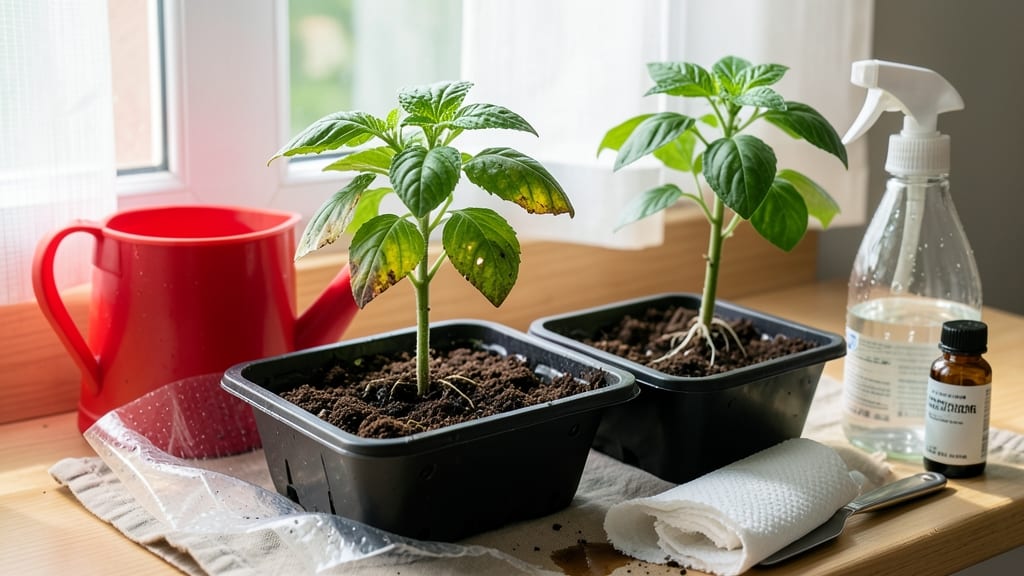
How to fix an overwatered seedling—your drooping leaves and mushy stems don’t mean it’s a lost cause. 🌱 Overwatering happens to every gardener—even the experienced ones—and with quick action, you can save it within 24 hours. The key is catching the rot early and giving the roots a fighting chance to recover.
First, gently remove the seedling from its pot and inspect the roots. Healthy roots are firm and white, but overwatered ones turn black and slimy. Trim away any mushy sections with clean scissors, then let the roots dry out for 30 minutes before replanting in fresh, well-draining soil.
This step alone stops the rot from spreading.
Once replanted, hold off on watering for 2-3 days—yes, even if the soil feels dry. Instead, place the pot in bright, indirect light and monitor for signs of recovery, like crisp leaves and new growth.
Within a week, your seedling should bounce back stronger than ever, with roots that crave moisture but won’t drown.
Prevention is the real game-changer: use pots with drainage holes, mix in perlite or sand for aeration, and water only when the top inch of soil feels dry. Trust me, your future seedlings will thank you—no more guesswork, just thriving plants.
Common Causes of Overwatered Seedlings
Overwatered seedlings are a heartbreaking sight—wilting, yellowing, or even collapsing stems that signal a root system drowning in its own moisture. But why does this happen? The issue often stems from a mix of environmental factors, human error, and plant biology.
Let’s break down the most common causes with clear science behind them.
Seedlings need oxygen-rich soil to thrive, but waterlogged containers suffocate their roots. Here’s why this happens:
- Compacted or Heavy Soil: Mixes like clay or garden soil retain too much water, leaving no air pockets for roots.
Seedlings in these mediums can’t breathe, leading to anaerobic conditions (lack of oxygen) that trigger root rot. - No Drainage Holes: Pots without holes act like tiny pools, trapping excess water.
Even if you water lightly, moisture sits at the bottom, creating a soggy, anaerobic zone where harmful bacteria thrive. - Overpotting: Using containers too large for seedlings forces excess water to linger in unused soil space, delaying evaporation and keeping roots wet for days.
Pro Tip: 💡 Always use well-draining seed-starting mixes (like peat-based or coco coir blends) and containers with multiple drainage holes. If repurposing pots, drill holes yourself!
Even with good soil, watering too frequently or in excess is the #1 culprit. Here’s the science:
- Excessive Moisture Disrupts Osmosis: Roots absorb water through osmotic pressure, but when soil is perpetually wet, they struggle to take up nutrients—and worse, swell and burst from waterlogged cells. - Leaching of Nutrients: Overwatering washes away essential minerals (like nitrogen, phosphorus, and potassium) that seedlings need to grow.
This leads to nutrient deficiency, mimicking symptoms of rot (yellowing leaves, stunted growth). - Fungal and Bacterial Infections: Water sitting on leaves or in soil creates the perfect breeding ground for Pythium, Phytophthora, and Rhizoctonia—fungi that cause root rot and stem collapse.
Pro Tip: 🌡️ Use the "finger test"—stick your finger 1 inch into the soil. If it’s damp, wait. If it’s bone-dry, water slowly until it drains from the bottom.
Seedlings are sensitive to microclimate conditions, and extremes can amplify overwatering damage:
- Low Temperatures Slow Evaporation: Cool soil (below 60°F/15°C) holds moisture longer, delaying drying.
If you water on a chilly day, roots may stay waterlogged for days, increasing rot risk. - High Humidity Traps Moisture: Greenhouses, plastic domes, or even a humid bathroom can create a saturated atmosphere, preventing water from evaporating.
This keeps soil damp longer than intended. - Condensation on Leaves: Water droplets on foliage (from humidity or overhead watering) act as magnets for fungal spores, accelerating rot.
Pro Tip: ✨ Bottom-water seedlings (place pots in a tray of water for 10 mins) instead of top-watering to avoid wetting leaves. Use a small fan on low to improve airflow if humidity is high.
Not all seedlings handle moisture the same way—timing matters:
- Overwatering Germinated Seeds: Just-sprouted seeds have tiny, delicate root hairs that can’t handle excess water. A single deep watering can drown them before they establish. - Transplant Shock: Moving seedlings to larger pots or outdoor beds without adjusting watering can overwhelm their roots.
The new soil holds more water, and roots haven’t adapted yet. - Mature Seedlings in Poor Conditions: Even if a seedling looks healthy, sudden changes (like moving from a warm windowsill to a cold frame) can disrupt its water balance, leading to rot.
Pro Tip: 🔥 Gradually increase watering as seedlings grow—start with light misting for germinated seeds and deep but infrequent watering for established ones.
Sometimes, overwatering is a chain reaction from other issues:
- Root-Bound Seedlings: Crowded roots in small pots strangle themselves, making them more susceptible to rot when watered.
- Weeds or Pests: Competing plants or insects (like slugs) can damage roots, making seedlings more vulnerable to waterlogging.
- Improper Light Levels: Leggy, weak seedlings (from low light) have thin stems that can’t support themselves when overwatered, leading to collapse.
Pro Tip: 🎯 Inspect roots before repotting—if they’re mushy, black, or smell foul, act fast with the fixes in the next section! Healthy roots should be white or light tan and firm.
Fix Overwatered Seedlings Fast
Overwatered seedlings can feel like a gardening disaster, but don’t panic—most can bounce back with the right care. The key is acting quickly to stop root rot, improve drainage, and give your little plants a fighting chance.
Below, we’ll break down practical fixes based on the root cause of your seedling’s woes, plus tips to keep them thriving long-term.
Cause: Soggy soil from overwatering or poor drainage suffocates roots, leading to rot. Fix:
- 🔥 Step 1: Remove from Wet Soil Gently lift the seedling (with its root ball intact) from the pot or tray. If it’s in a tray, tip it to drain excess water, then let it sit for 5–10 minutes to air out.
- 🍳 Step 2: Check the Roots Inspect the roots—if they’re mushy, black, or smell foul, trim the damaged parts with sterilized scissors (cut healthy white roots only). For firm but waterlogged roots, rinse them lightly with water to remove excess moisture.
- 👨🍳 Step 3: Repot in Dry, Well-Draining Mix Use a clean pot (sterilize with hydrogen peroxide if reused) and fresh seedling mix (add perlite or vermiculite for aeration). Bury the seedling at the same depth as before.
- 🥘 Step 4: Let It Dry Out Place the pot in a shady spot (no direct sun yet!) and skip watering for 24–48 hours. This gives roots time to recover.
💡 Pro Tip: If your seedling is in a tray, prop it up on a rack or towel to prevent future water pooling.
Cause: Stagnant, humid conditions (from overwatering + poor airflow) invite fungal infections like Pythium or Fusarium. Fix:
- ✨ Step 1: Increase Ventilation Move seedlings to a bright, airy spot (like a windowsill with indirect light or under a fan on low). Avoid cramped trays—space them out so air circulates.
- 🔪 Step 2: Treat Fungal Issues (If Present) If you spot white mold, black spots, or slimy roots, act fast: - Hydrogen peroxide spray (3%): Mix 1 part peroxide with 4 parts water, spray lightly on soil and leaves, and let dry. - Copper fungicide: Follow label instructions for a targeted treatment. - Baking soda solution (mild case): 1 tsp baking soda + 1 quart water + a drop of dish soap.
Spray leaves (avoid soil).
- 🎯 Step 3: Adjust Watering Routine Water only when the top inch of soil is dry—stick your finger in to test! Use a spray bottle for seedlings to avoid drowning the roots.
💡 Pro Tip: Wipe down leaves with a damp cloth to remove dust and improve airflow.
Cause: Weakened seedlings need extra support to regrow healthy roots. Fix:
- 🌿 Step 1: Light and Temperature
- Light: Provide 12–16 hours of bright, indirect light (grow lights work if natural light is weak).
- Temperature: Keep soil between 65–75°F (18–24°C). Avoid cold drafts or heaters.
- 💪 Step 2: Fertilize Lightly (After 3 Days) Once roots show signs of recovery (firm, white tips), use a diluted, balanced fertilizer (half-strength) to encourage growth. Avoid high-nitrogen feeds—they can stress weak roots.
- 🥗 Step 3: Monitor and Adjust
- Overwatering signs: Yellowing leaves, wilting, or a sour smell.
- Underwatering signs: Dry soil pulling away from the pot edges or crispy leaf edges. Adjust watering based on these cues.
💡 Pro Tip: If your seedling is top-heavy, stake it lightly to prevent falling over as it recovers.
The best fix? Never overwater again. Here’s how to water seedlings like a gardening pro: - 🔥 Use the Right Tools: - Self-watering trays with drainage holes (avoid saucers that trap water). - Moisture meters for precision (insert into soil to check moisture levels). - 🍳 Watering Techniques: - Bottom-watering: Place the tray in a shallow dish of water for 10–15 minutes, then drain.
This encourages roots to grow downward. - Drip irrigation: A gentle drip system (like a spray bottle) gives consistent moisture without soggy soil. - 🥘 Soil Matters: - Use a light, airy mix (50% peat/coir, 30% perlite, 20% compost). - Avoid heavy garden soil—it compacts and holds too much water.
💡 Pro Tip: Group seedlings by water needs—some (like herbs) dry out faster than others (like lettuce).
🌟 Remember: Most seedlings recover within 3–7 days if you act fast. Stay patient, adjust your routine, and soon you’ll have a thriving batch of strong, healthy plants!
Frequently asked questions
How can I tell if my seedling is overwatered vs. underwatered?
Check the soil and leaves: overwatered seedlings have yellowing leaves, mushy stems, and soil that smells sour. Underwatered ones show crispy brown edges, wilted leaves that don’t bounce back, and soil pulling away from pot edges. The key difference? Overwatered roots are black/slimy, while underwatered roots are dry and brittle.
Can I save a seedling with completely black, rotten roots?
It depends on how much healthy root remains. If you see even a few white root tips, trim the black roots and repot in fresh soil. No healthy roots? Try propagating from healthy leaves or stems if possible. For most seedlings, 1-2 healthy roots are enough to regrow.
How often should I water seedlings after fixing overwatering?
Wait 2-3 days after repotting, then water only when the top inch of soil feels dry. Use a spray bottle for gentle moisture—never soak the soil. Most seedlings need watering every 3-5 days once recovered, but this varies by plant type and humidity.
Will my seedling recover if it's been overwatered for a week?
Time is critical—after 5-7 days of overwatering, recovery becomes difficult but not impossible. Act immediately by trimming rot, improving drainage, and providing optimal light. Monitor closely for new growth signs (like crisp leaves or upward stem growth). If no progress in 7-10 days, the seedling may be beyond saving.
What's the best soil mix to prevent future overwatering?
Use a lightweight blend of 50% peat/coir, 30% perlite, and 20% compost. This creates air pockets while retaining just enough moisture. Avoid garden soil—it compacts and holds too much water. For extra insurance, add orchid bark chips for better aeration.