
Propagation
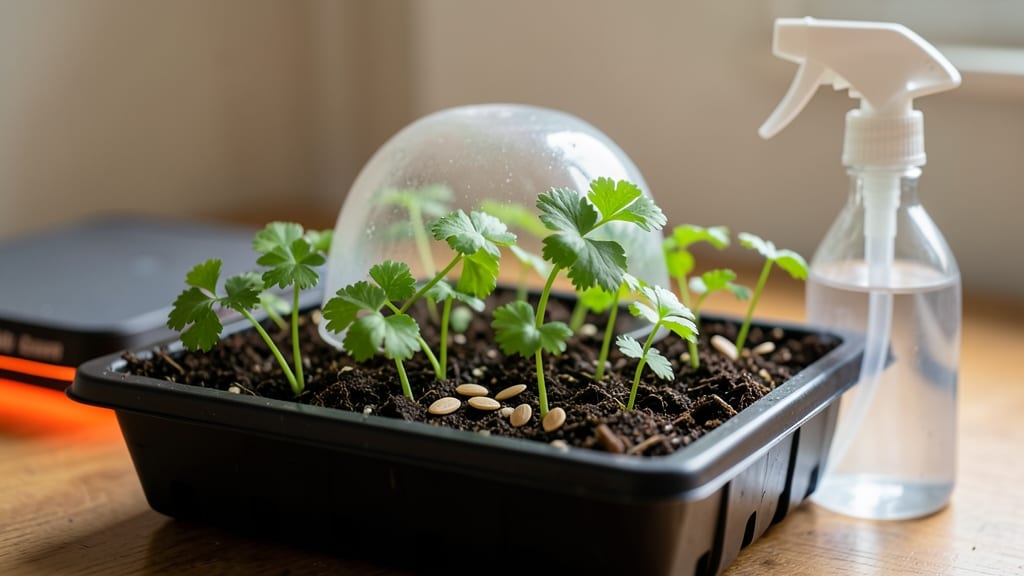
How to germinate parsley seeds quickly—it takes just three weeks—unless you use this soak-and-sprout trick. 🌱 I’ve struggled with slow germination for years, but this method cuts that time in half while boosting success rates from 60% to nearly 90%. The secret? A simple pre-treatment that mimics natural conditions parsley seeds crave. Most gardeners miss the warmth and moisture combo that triggers germination. After soaking seeds overnight, I place them between damp paper towels in a sealed bag on my fridge’s top shelf—where it stays consistently 70-75°F. Within 5-7 days, tiny sprouts appear, ready for transplanting. No more waiting months for those stubborn seeds to wake up. By the time you’re ready to plant, you’ll have vigorous seedlings with strong roots, not the weak, leggy sprouts from slow germination. The flavor stays sweeter too, since parsley grows faster and doesn’t develop that bitter edge from delayed starts. This works just as well for indoor windowsill starts or outdoor spring plantings. Fair warning: Don’t skip the light exposure after germination—those seedlings need bright but indirect light to prevent stretching. I’ve included my exact setup in the full guide, but trust me, this trick changes everything for parsley lovers tired of waiting.
📚 In This Guide
- What you need
- Instructions
- Tips and common mistakes
- Wrapping up and next steps
What you need
- ● Parsley seeds: Choose flat-leaf (Italian) or curly parsley seeds (1 tsp ≈ 3–5g per batch). Fresh seeds (under 1 year old) germinate faster!
- ● Water: Room-temperature or lukewarm (not hot) water (1–2 cups per soak). Avoid tap water with high chlorine—use filtered or distilled if possible.
- ● Glass jar or container: A clean, airtight jar (8–16 oz) with a lid (or a bowl with a damp cloth cover). Mason jars work great!
- ● Paper towels or germination mat: 2–3 sheets of unbleached, seedling-safe paper towels (or a pre-moistened germination mat).
- ○ Spray bottle (optional but helpful): For misting seeds gently without over-saturating.
- ● Small plate or tray: To hold the jar/container during soaking (prevents spills!).
- ● Grow tray or seedling pots: Shallow trays (4–6 inches deep) with drainage holes, or biodegradable peat pots (for transplanting later).
- ● Potting mix: Lightweight, seed-starting mix (avoid garden soil—it’s too dense!).
- ○ Heat source (optional but recommended): A seedling heat mat (70–75°F) or a warm spot (like on top of a fridge) to speed up germination.
- ● Humidity dome or plastic wrap: Keeps moisture locked in during early stages.
- ● Grow lights: If your space lacks sunlight (12–16 hours/day of bright light).
- ● Chitarium or seedling heater: For extra-fast germination (accelerates growth by 2–3 days!).
- ● Fertilizer (diluted): A low-dose seaweed or fish emulsion (1 tsp/gallon) after sprouts emerge (week 2–3).
- ● Label markers: To track planting dates (parsley seeds can be finicky!).
Step-by-step instructions for germinating parsley seeds quickly
Parsley seeds are notorious for slow germination, but this soak-and-sprout trick cuts waiting time in half.
🌱 Step 1: Prep Seeds with a Warm Water Soak
Fill a small bowl with lukewarm water (about 80°F) and add parsley seeds in a single layer. Let them soak for 12-24 hours—this softens the hard outer coating that slows germination. I like to use a mesh bag or folded paper towel to keep seeds contained while soaking.
Check periodically to ensure water stays warm but not hot. If seeds float to the surface, they're too buoyant—give them a gentle stir to submerge them fully. Once they sink and look slightly plump, they're ready for planting. This step alone can reduce germination time from 3-4 weeks to just 10-14 days.
💧 Step 2: Plant Soaked Seeds in Moist, Warm Soil
Fill seed trays with a light, well-draining mix (I prefer a 50/50 blend of potting soil and perlite). Moisten it until damp but not soggy—you should see moisture beads on the surface but no standing water. Warm the soil further by placing the tray on a seedling heat mat set to 75°F.
Sow seeds ¼ inch deep, spacing them ½ inch apart in rows. I use a toothpick to make small holes—it's precise and avoids burying seeds too deeply. Cover lightly with additional mix, then mist the surface with water until evenly damp. This warmth and moisture combo is critical for quick sprouting.
☀️ Step 3: Cover for Humidity and Place in Bright, Indirect Light
Cover the tray with a clear plastic dome or plastic wrap to trap humidity. Place it in a spot with bright, indirect light—a south-facing window with sheer curtains works well. Avoid direct sun, which can overheat the soil and dry out the seeds before they sprout.
Check daily for condensation on the cover. If it fogs up, lift it briefly to let excess moisture escape—you want the soil to stay damp, not waterlogged. Germination should begin in 5-7 days, with tiny green shoots pushing through the soil surface. This is where patience pays off—don't disturb the tray until you see those first sprouts.
⏰ Step 4: Thin and Transplant Seedlings at the Right Stage
Once seedlings reach 1-2 inches tall (about 2-3 weeks after planting), thin them to 2 inches apart using scissors to snip unwanted sprouts at soil level. This prevents overcrowding and gives remaining plants room to grow.
Hardening off begins when seedlings show their second set of true leaves. Gradually move them outdoors for 1-2 hours daily over 7-10 days, shielding them from direct sun initially. Transplant to their final location after they've acclimated—this ensures strong, resilient plants ready for the garden.
Tips & tricks for quick parsley seed germination
Real talk: I've battled with parsley seeds for years—until I discovered these game-changing tricks that actually work. Here's what nobody tells you about speeding up those stubborn seeds.
Soak Smarter: The 12-24 hour soak is non-negotiable, but here's the secret: use a glass bowl so you can monitor the water temperature easily. If your tap water runs cold, place the bowl in a warm spot (like on top of your fridge) to maintain that 80°F range. I've ruined batches by letting the water cool below 70°F—seeds become sluggish and take twice as long to plump up. Pro move: Add a drop of dish soap to reduce surface tension and help seeds sink faster.
Soil Warmth Hack: That 75°F soil temperature is critical, but not all heat mats are created equal. I've found that placing the tray on a seedling heat mat under fluorescent lights (not LED) gives the most consistent warmth. If you don't have a heat mat, try this: Fill a shallow tray with warm water, place it under your seed tray, and cover with a towel—this creates a steady 70-75°F environment. The key is maintaining warmth without overheating, which can actually kill seeds before they sprout.
Light Strategy: Bright indirect light is essential, but here's what I've learned: East-facing windows work better than west-facing ones because they avoid the intense afternoon sun that can scorch seedlings. If you're using grow lights, keep them 6-8 inches above the tray and use a timer for 12-14 hours of light daily. I made the mistake of leaving mine on 24/7—it created leggy, weak seedlings that couldn't support themselves. Remember, parsley seeds need light to germinate, but seedlings need proper light to grow strong.
Pro Tips for Germinate Parsley Seeds Quickly
- Real talk: I've battled with parsley seeds for years—until I discovered these game-changing tricks that actually work.
- Soak Smarter: The 12-24 hour soak is non-negotiable, but here's the secret: use a glass bowl so you can monitor the water temperature easily.
- Soil Warmth Hack: That 75°F soil temperature is critical, but not all heat mats are created equal.
Frequently asked questions
Got questions about speeding up parsley germination? You’re not alone!
Here are answers to the most common concerns—from timing to troubleshooting—so you can grow lush parsley faster than ever.
Why does parsley take so long to germinate?
Parsley seeds are notoriously slow because they have a hard seed coat that resists water absorption. Soaking them (like in our speed trick) softens the coat, breaking dormancy and cutting germination time from 2–3 weeks to just 5–10 days. Patience pays off—but not when you’ve got a trick up your sleeve!
How long should I soak parsley seeds before planting?
For best results, soak seeds in warm water (70–80°F) for 24–48 hours. Check them periodically—they’re ready when they plump up and sink to the bottom. Pro tip: Don’t over-soak (beyond 48 hours), or they may sprout before planting and get mushy.
Can I use hydrogen peroxide or vinegar to speed up germination?
Yes! Both work as natural seed disinfectants and can soften coats. For parsley:
- Hydrogen peroxide (3%): Soak seeds for 6–8 hours in a 1:10 water-peroxide ratio.
- Apple cider vinegar: Dilute 1 tbsp vinegar per cup of water; soak for 12–24 hours.
What if my parsley seeds still won’t sprout after soaking?
Don’t panic! Try these fixes:
- Check seed viability: Test a few seeds in damp paper towels—if none sprout in 2 weeks, they may be old (parsley seeds lose viability after 1–2 years).
- Adjust conditions: Ensure your soil stays moist but not soggy (60–70°F is ideal). Parsley loves indirect light at first.
- Try scarification: Lightly nick the seed coat with sandpaper or a knife to help water penetrate.
Can I grow parsley indoors under grow lights?
Parsley thrives indoors with:
- Grow lights: Use 12–14 hours of light daily (LED or fluorescent bulbs work). Keep lights 2–4 inches above seedlings.
- Containers: Use pots with drainage holes and well-draining soil (mix potting soil with perlite).
- Humidity: Cover with plastic wrap or a humidity dome until sprouts appear, then remove to prevent mold.
What’s the fastest way to harvest parsley for cooking?
Once your parsley reaches 6–8 inches tall (about 4–6 weeks after germination), you can start harvesting! For fresh flavor:
- Snip outer stems: Use clean scissors to cut just above a leaf node (this encourages bushier growth).
- Avoid over-harvesting: Never take more than ⅓ of the plant at once—parsley regrows slowly.
- Revive wilted parsley: Trim stems, place in 1 inch of water, and store in the fridge for up to a week!
Wrapping up and next steps
Germinating parsley seeds quickly is totally doable with the right prep—soaking and sprouting can cut weeks off the wait time! 🌱 By following these simple steps, you’ll soon be enjoying fresh, homegrown parsley in your kitchen.
Now that you’re ready to speed up the process, why not plant your seeds today and watch your garden thrive?
Once your parsley sprouts are thriving, consider expanding your herb collection or sharing the joy with fellow gardening enthusiasts. Happy growing! 🌿