
Pruning
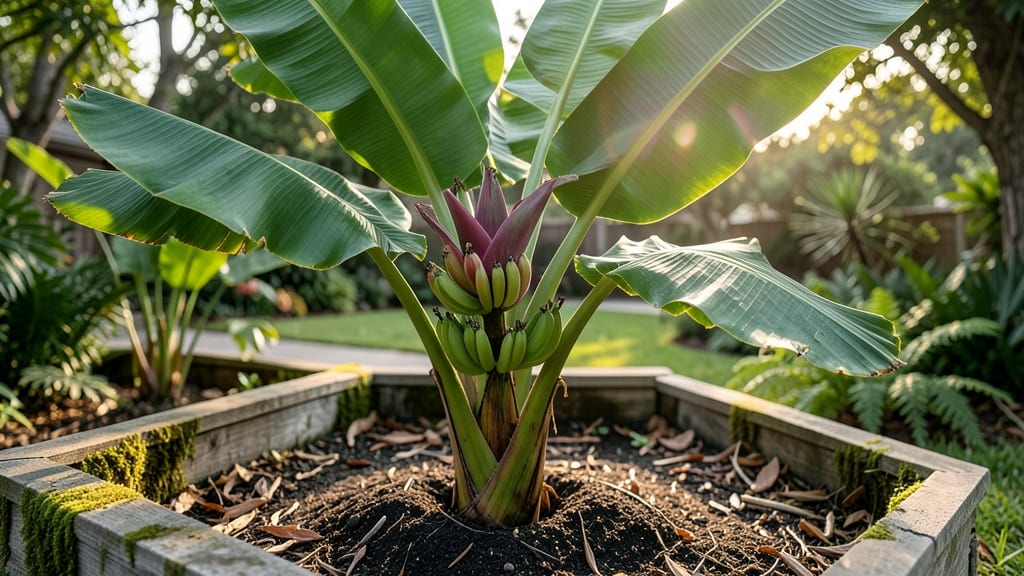
Getting your banana tree to fruit feels like unlocking a tropical treasure chest. 🌱 The secret isn't just water or fertilizer—it's creating the right conditions for that first flower spike to appear.
My dwarf banana tree took three years to bloom, but once it did, I had bunches of fruit within months.
You'll need full sun (at least 6-8 hours daily), rich soil with good drainage, and consistent moisture—never soggy roots. Banana trees also need warmth; if you're in cooler zones, grow them in containers and bring them indoors before frost.
The real magic happens when the pseudostem starts showing a red or purple hue—that's your tree preparing to flower.
Once it flowers, you'll see a dramatic change: the big leaves slow down, and a long stalk emerges with tiny flowers. These flowers need to be pollinated (by wind or hand) to set fruit.
After that, it's just waiting—3-6 months—for those familiar banana clusters to appear. The first harvest is always thrilling, like uncovering a hidden garden secret.
Even indoor growers can succeed with grow lights and careful monitoring. The key is patience—banana trees grow fast but fruit slowly. With the right care, you'll go from bare stems to a lush, fruiting plant that makes neighbors ask, "How'd you do that?"
📚 In This Guide
- What you need
- Instructions
- Tips and common mistakes
- Wrapping up and next steps
What you need
- ● Banana Tree: A healthy, mature banana plant (preferably Musa spp., like Cavendish or Lady Finger). Age matters! Most varieties need 18–36 months to fruit.
- ● Well-draining soil: Mix 50% potting soil with 50% compost or coconut coir (for moisture retention + aeration). pH 5.5–7.0 is ideal.
- ● Large container or in-ground space: For containers: Minimum 20–30 gallons (diameter ≥ 24 inches). Use drainage holes + a saucer.
- ● For ground planting: Full sun (6+ hours/day) + 6+ feet of space (roots spread wide!).
- ● Fertilizer: Balanced fertilizer (10-10-10 or 20-20-20) for early growth.
- ● High-potassium fertilizer (e.g., 5-10-10) when flower buds appear (boosts fruiting!).
- ● Watering can or hose: With a gentle spray nozzle (avoid soaking the crown).
- ● Pruning shears: Sharp, sterilized shears (for removing dead leaves or suckers).
- ○ Pollination aid (optional but helpful): Small paintbrush or cotton swab (to manually pollinate flowers).
- ● Bees or butterflies (nature’s pollinators—invite them with bee-friendly plants nearby!).
- ● Mulch: Organic mulch (e.g., straw or wood chips) to retain moisture and regulate soil temp.
- ● Trellis or stake: For supporting heavy bunches (especially in containers).
- ● pH test kit: To monitor soil acidity/alkalinity (adjust with lime or sulfur if needed).
- ● Grow lights (LED): For indoor banana trees (12–16 hours/day of light).
- ● Banana tree-specific food: Like seaweed extract or banana fertilizer (boosts potassium!).
Step-by-Step instructions for encouraging banana trees to fruit
Here's how I coaxed my banana tree to produce fruit—it’s all about sunlight, care, and patience.
☀️ Step 1: Provide Full Sunlight and Warmth
Banana trees need 6-8 hours of direct sunlight daily—that’s non-negotiable. If your tree is indoors, place it near a south-facing window or under a grow light for 12-14 hours/day. I moved my tree to a sunny patio in spring, and within weeks, the leaves grew broader and greener.
Temperature matters too: banana trees thrive in 75-95°F during the day. If nights dip below 60°F, the tree won’t flower. In cooler climates, grow them in containers and bring them inside during winter. Watch for yellowing leaves—they’re a sign of too little light or cold stress.
💧 Step 2: Water Deeply and Consistently
Keep the soil evenly moist but not soggy. Banana trees hate dry spells—roots need steady hydration. Water when the top 2 inches of soil feel dry, then soak until water drains from the bottom. I use a 5-gallon watering can to ensure deep saturation.
Overwatering is just as bad—root rot sets in quickly. If the soil stays damp for more than a day, cut back. You’ll know you’re doing it right when the soil feels like a wrung-out sponge: damp but not dripping.
🌱 Step 3: Fertilize for Growth and Flowering
Use a balanced fertilizer (10-10-10 or 20-20-20) every 4-6 weeks during growing season (spring to fall). Banana trees are heavy feeders, so don’t skimp. I mix in 1 cup of compost monthly to boost organic nutrients.
For flowering, switch to a high-potassium fertilizer (like 5-10-10) once the tree reaches 5-6 feet tall. Potassium helps develop fruit. Stop fertilizing in winter—the tree rests then. Yellow leaves? You’re overdoing it. Brown edges? Too little.
🌿 Step 4: Encourage Flowering with Proper Care
Banana trees flower when mature—usually after 1-2 years of growth. Look for a pseudo-stem (the thick trunk) that’s at least 3 feet wide. Once it reaches this size, reduce water slightly and increase potassium.
Here’s the trick: when the tree sends up a flower stalk, protect it from wind and pests. Cover it with a lightweight net if birds or insects are a problem. The first flowers won’t always produce fruit, but keep nurturing the tree—patience pays off.
⏰ Step 5: Pollinate and Care for Developing Fruit
Banana flowers are self-pollinating, but sometimes they need help. Gently shake the flower stalk daily to encourage pollination. If you’re in a cold climate, hand-pollinate with a soft brush to transfer pollen between flowers.
Once fruit forms, keep the tree healthy: water deeply, fertilize lightly, and watch for pests like aphids or mites. Remove any damaged leaves to redirect energy to the fruit. Harvest when the bananas turn yellow with a few brown spots—this means they’re ripe and sweet!
Tips & tricks for perfect banana tree fruit production
Real talk: Getting your banana tree to fruit takes more than just wishful thinking. Here are the key moves that actually work.
Light Matters: That 6-8 hours of direct sunlight in Step 1 isn't just a suggestion—it's non-negotiable for flowering. I've seen trees in north-facing windows struggle for years. If you're indoors, invest in a quality grow light with a full spectrum. Position it just 6-12 inches above the tree for those critical 12-14 hours. Watch for leaves turning darker green—they're telling you they're getting enough light.
Temperature Secret: The 75-95°F range during the day is your sweet spot, but don't ignore nighttime temps. If nights drop below 60°F, your tree will stall. I've had to move potted trees indoors at night during spring cool snaps. A simple thermometer near the tree helps track this. Pro tip: If you see new leaves curling at the edges, that's your warning sign to adjust the environment.
Fertilizer Timing: Those 4-6 week intervals for balanced fertilizer are key, but here's what nobody tells you: the switch to high-potassium at 5-6 feet tall is crucial. I've seen trees reach that height but never flower because I didn't make this switch. Look for a fertilizer with at least 10% potassium—it's what triggers flowering. And when you see that flower stalk emerge, cut back on watering slightly to help the tree focus its energy on fruit development.
Pro Tips for Get Banana Tree To Fruit
- Real talk: Getting your banana tree to fruit takes more than just wishful thinking.
- Light Matters: That 6-8 hours of direct sunlight in Step 1 isn't just a suggestion—it's non-negotiable for flowering.
- Temperature Secret: The 75-95°F range during the day is your sweet spot, but don't ignore nighttime temps.
Frequently asked questions
Got questions about coaxing fruit from your banana tree? You’re not alone—growing bananas can be tricky! Here are answers to the most common concerns, from timing to troubleshooting, so you can enjoy homegrown bananas sooner.
How long does it take for a banana tree to produce fruit?
A banana tree typically takes 9–12 months from planting to fruiting, but dwarf varieties can bear fruit in as little as 6–8 months. Patience is key—some tropical varieties may take even longer. Ensure your tree gets full sun (6+ hours/day) and proper care to speed up the process!
Do banana trees need pollination to fruit?
Yes! While some varieties (like Musa acuminata) can self-pollinate, others rely on wind, bees, or even hand-pollination. If your tree isn’t fruiting, try gently shaking the flower cluster or using a small brush to transfer pollen between blooms. Bonus tip: Planting nearby banana trees increases cross-pollination success!
Can I grow a banana tree indoors and still get fruit?
Indoor banana trees (Musa spp.) are rare but possible in warm climates with bright, indirect light (like a sunroom). However, fruiting indoors is unlikely due to limited sunlight and space. If you’re determined, choose a dwarf variety and supplement with grow lights (12+ hours/day). Outdoor growing is far more reliable!
Why did my banana tree flower but no fruit formed?
No fruit after flowering? Common causes include:
- Lack of pollination (try hand-pollinating).
- Improper care (over/under-watering, nutrient deficiency).
- Cold stress (banana trees hate temps below 50°F/10°C).
- Young tree (some varieties need 2+ years to fruit).
What’s the best fertilizer for fruiting banana trees?
Use a balanced fertilizer (e.g., 8-8-8 or 10-10-10) with extra potassium and phosphorus (like 6-12-12) to boost flowering. Apply every 2–3 months during growing season, and reduce nitrogen once flowers appear. Pro tip: Organic options like banana peels (composted) or wood ash (sparingly) can help too!
Can I prune a banana tree to encourage more fruit?
Pruning isn’t the primary way to trigger fruiting, but you can remove dead leaves to redirect energy. Cut back old pseudostems (the trunk-like structure) after harvest to encourage new suckers. Avoid heavy pruning—banana trees are sensitive, and over-pruning can stress the plant and delay flowering.
Wrapping up and next steps
Growing fruit on your banana tree is all about patience, care, and the right conditions—but trust us, it’s worth it! 🌱 With the perfect balance of sunlight, proper pollination, and a little TLC, you’ll soon be harvesting sweet, homegrown bananas.
Start small, observe your plant’s progress, and don’t hesitate to adjust your approach as needed.
Now that you’re armed with the secrets, roll up your sleeves and get growing! 🌟 Next, keep an eye on your tree’s growth and enjoy the rewarding journey of nurturing it to fruition—literally!