
Tools
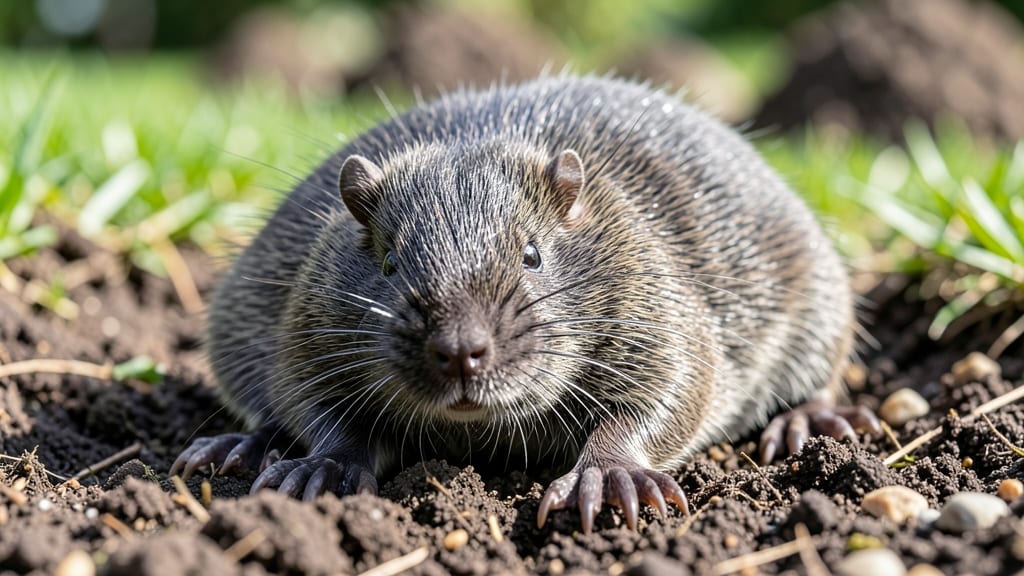
How to get moles out of my garden naturally turned my lawn into a maze of raised ridges—until I discovered humane methods that actually work without harming these underground critters. 🌱 I spent years trying toxic baits and traps that failed—until I found a better way: physical barriers, natural repellents like castor oil, and the right kind of traps. Most people overlook the importance of proper placement—moles follow their tunnels, so you need to intercept them where they travel, not just dig random holes.
By following these steps, you'll see fewer tunnels within 2-3 weeks, and your lawn will stay smooth and healthy. The best part? These methods protect local wildlife while keeping your garden intact.
Works for any yard size, from small suburban plots to large rural gardens. Let's get those moles moving in the right direction—without the cruelty.
📚 In This Guide
- What you need
- Instructions
- Tips and common mistakes
- Wrapping up and next steps
What you need
- ● Humane mole traps: 2–4 scissor-style or bucket traps (choose based on mole activity; more traps = better coverage). Look for spring-loaded or cast-iron designs for durability.
- ● Gloves: 1 pair of heavy-duty work gloves (to protect hands from dirt and potential scratches).
- ● Shovel or spade: A sturdy garden spade (for digging trap holes—aim for 6–8 inches deep).
- ● Measuring tape or ruler: To ensure trap placement is even and precise (critical for effectiveness!).
- ● Stakes or flags: 4–6 wooden stakes or brightly colored flags (to mark trap locations and avoid accidental disturbances).
- ● Garden hose: For lightly moistening soil if digging is difficult (helps loosen dirt).
- ● Notebook & pen: To track trap locations, dates, and mole activity (helps refine your strategy over time).
- ● Castor oil or mole-repellent granules: Apply around the garden’s perimeter to deter moles long-term (follow package instructions).
- ● Soil conditioner: A bag of compost or organic matter to improve soil health (moles are less likely to tunnel in well-aerated soil).
- ● Camera trap: A low-cost wildlife camera (to confirm mole activity without handling traps).
- ● Knee pads: For comfort during digging (trust us, your knees will thank you!).
Tips & tricks for humane mole removal
These practical strategies will help you tackle mole problems more effectively while keeping your garden—and the moles—themselves safe.
Tunnel Identification Tip: In Step 1, focus on fresh tunnels that have a smooth, almost shiny surface. These are the most active mole paths, and they’re typically the shallow foraging tunnels rather than deeper travel routes. I’ve found that using a small garden trowel to gently probe these tunnels helps confirm activity—if the soil feels loose and crumbly, you’ve got a hotspot. Mark these areas with biodegradable flags or bamboo skewers to track progress over time.
Trap Placement Strategy: When setting traps in Step 2, place them perpendicular to the tunnel rather than along it. This creates a natural entry point for the mole, increasing your chances of success. I’ve had the best luck positioning traps near tunnel intersections or where the tunnel surface shows fresh digging marks. Remember to check traps daily—moles can be caught quickly, and leaving them overnight increases stress.
Natural Deterrent Boost: For Step 3, consider planting castor beans in addition to daffodils and alliums—they’re particularly effective at repelling moles. You can also create a barrier of coarse sand or gravel around your garden beds, which moles dislike digging through. Another trick I’ve used is placing wind chimes near active areas—the vibrations alone can deter them from tunneling nearby.
Monitoring Made Easy: In Step 4, keep a simple log of tunnel activity using a small notebook or even your phone’s notes app. Record the date, location, and type of tunnel you’re observing. This helps you track patterns and adjust your strategy. I’ve noticed that moles often return to the same areas, so persistent monitoring pays off in the long run.
Pro Tips for Get Moles Out Of My Garden
- These practical strategies will help you tackle mole problems more effectively while keeping your garden—and the moles—themselves safe.
- Tunnel Identification Tip: In Step 1, focus on fresh tunnels that have a smooth, almost shiny surface.
- Trap Placement Strategy: When setting traps in Step 2, place them perpendicular to the tunnel rather than along it.
Frequently asked questions
Got questions about dealing with moles in your garden? You’re not alone! Here are some of the most common concerns—and practical answers—to help you tackle the problem safely and effectively.
What’s the best time of year to deal with moles in my garden?
The ideal time is spring or early fall when moles are most active but not yet hibernating (in colder climates). Avoid winter, as they’re less active, and summer, when they’re often deeper underground. Early morning or late evening are the best times to set traps, as moles are most active then.
Are humane mole traps really effective, or will I just waste money?
Yes, humane traps like scissor traps or bucket traps work—but they require patience and proper placement. Moles are cautious, so check traps daily and reposition them if needed. Combine traps with castor oil or mole repellents for better results. Avoid cruel traps; humane methods take effort but spare unnecessary harm.
Will my garden recover after removing moles? How can I prevent future damage?
Mole tunnels usually heal within a few weeks as soil settles. To prevent future issues:
- Keep your lawn well-watered and mowed (moles love soft, moist soil).
- Use grubs control (moles eat grubs, so reducing their food source helps).
- Plant mole-repelling flowers like daffodils or marigolds near problem areas.
What if I don’t want to use traps? Are there chemical-free alternatives?
Try these non-toxic methods first:
- Castor oil repellents: Spray it on tunnels and lawn edges—it’s safe for pets and plants.
- Ultrasonic devices: Some gardeners swear by these, though results vary.
- Encourage natural predators: Owls, foxes, and snakes help control mole populations.
What should I do if I find a mole already caught in a trap?
If you discover a mole in a humane trap, act quickly but calmly. Wear gloves, release it far from your garden (at least 50+ feet away), and cover the hole to prevent it from returning. If it’s injured, contact a local wildlife rehabilitator. Never relocate it near your property—it’ll just come back!
Wrapping up and next steps
Getting rid of moles in your garden doesn’t have to mean harming them—with the right humane traps and strategies, you can reclaim your yard without cruelty. 🌱 From castor oil repellents to clever tunnel-blocking methods, these solutions work by making your garden less appealing or accessible to moles while keeping them safe.
The key is patience and consistency—moles are persistent, but so are you!
Ready to take action? Start by choosing one method from this guide and give it a week or two to see results. Track your progress, adjust as needed, and soon, you’ll enjoy a mole-free garden—ethically and effectively! 🎉