
Pests
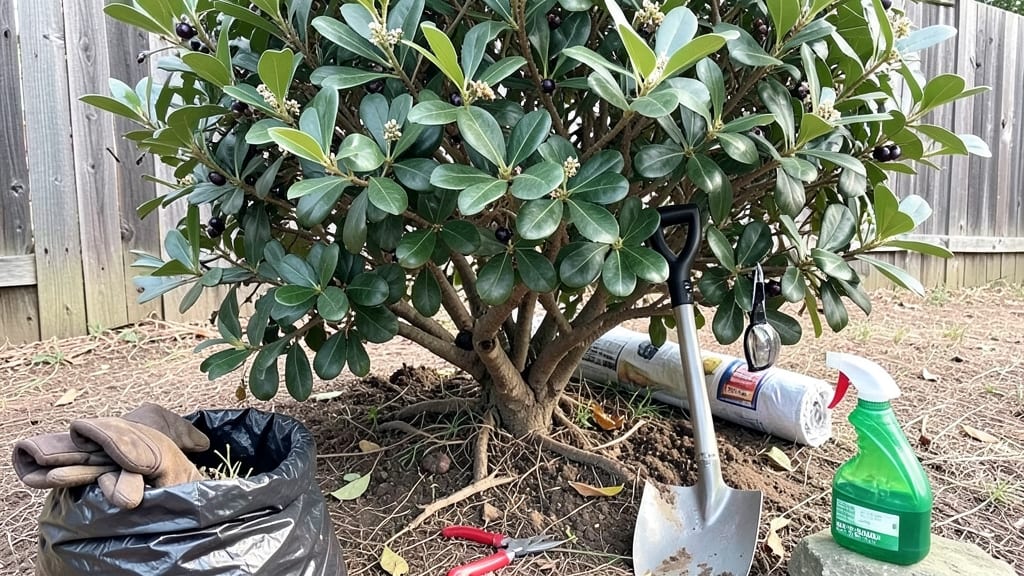
How to get rid of Chinese privet—this relentless invader strangles native plants and spreads faster than you can pull it. ✂️ After years of battling it in my yard, I discovered the root-cutting method that finally gave me permanent results—no regrowth, no stubborn stumps, just clean soil where it once choked everything. The secret lies in cutting roots deep enough to starve the plant while avoiding herbicide risks. You’ll need a sharp shovel, pruners, and a clear day to work systematically. Most people quit after surface-level digging, but this method targets the hidden network that keeps coming back. By the end of the process, you’ll have a landscape free of Chinese privet’s dense thickets, with room for native plants to thrive. The key is patience—it takes time, but the payoff is worth every cut. This approach works year-round, though early spring or fall timing minimizes stress on surrounding plants. Just remember: what you see above ground is only 10% of the battle.
📚 In This Guide
- What you need
- Instructions
- Tips and common mistakes
- Wrapping up and next steps
What you need
- ● Pruning shears or loppers – Bypass-style (not anvil) for clean cuts; 10–12 inch blades for thick stems.
- ● Handsaw or pruning saw – For stubborn, woody stems 1+ inches thick.
- ● Shovel or mattock – A heavy-duty garden shovel (16–18 inches) for digging roots.
- ● Gloves – Thick, cut-resistant (e.g., Mechanix) to protect from thorns and sap.
- ● Wheelbarrow or tarp – To haul cuttings and debris 50+ feet away.
- ● Rake – For clearing leaf litter and small roots.
- ● Hose with nozzle – To rinse tools and wet soil before digging (reduces dust).
- ● Disposable work clothes – Chinese privet sap stains!
- ● Root saw or root pruner – For precision cuts on deep taproots.
- ● Garden vinegar (20–30% acetic acid) – 1 gallon to spray stumps post-cutting (accelerates decay).
- ● Epsom salt or copper sulfate – 1–2 lbs to sprinkle on stumps (inhibits regrowth).
- ● Plastic sheeting – To smother regrowth or cover cut stumps.
- ● Marking spray/paint – To tag areas where new sprouts might emerge.
Step-by-Step instructions for eliminating Chinese privet roots
Here’s the proven root-cutting method I’ve used to permanently remove stubborn Chinese privet from yards—no harsh chemicals, just strategic digging.
🌱 Step 1: Identify and Map the Root System
Start by walking the perimeter of the infestation, marking all visible stems with flags or spray paint. Chinese privet spreads aggressively through underground roots, so focus on the thickest stems—these connect to the main root system. Dig a shallow trench (6 inches deep) around the perimeter of the marked area to expose lateral roots. You’ll see white, fibrous roots radiating outward—these are your targets.
Use a garden hose to trace the roots’ direction; they’ll follow the path of least resistance, often angling toward water sources or shaded areas. Sketch a rough map of the root spread—this helps you plan where to cut. I always mark the thickest roots with bright orange paint so I don’t miss them later. If you see suckers sprouting from the ground, those are direct connections to the parent root.
✂️ Step 2: Cut the Roots Strategically
Equip yourself with a sharp pruning saw or root saw—dull tools will crush the roots instead of cleanly severing them, leading to regrowth. Start by cutting the largest roots first, working your way toward thinner ones. Aim for a clean, vertical cut about ½ inch from the stem base, but leave a 1-inch stub to prevent the root from resealing too quickly.
For roots deeper than 6 inches, use a digging bar to expose them fully before cutting. Focus on the horizontal roots—these are the plant’s lifeline. If you see any roots connecting to nearby trees or structures, cut those too. I’ve found that leaving even a small root fragment can sprout new shoots within weeks, so don’t rush. After cutting, pull the exposed roots out of the ground—this ensures the plant can’t regenerate from the stump.
💧 Step 3: Apply a Root-Killing Treatment
Once the roots are cut and removed, apply a glyphosate-based herbicide (like Roundup) directly to the freshly cut stumps and any remaining root fragments. Use a paintbrush for precision—this ensures the chemical reaches the cambium layer where the plant absorbs it. Avoid spraying the soil around the area, as glyphosate can harm other plants if it drifts.
For a natural alternative, mix vinegar (20% acetic acid) with dish soap (1 gallon vinegar + 1 oz soap) and apply it directly to the stumps. Reapply every 3-5 days for 2 weeks to ensure the roots absorb enough to die. You’ll know it’s working when the stumps turn brown and mushy. I’ve had the best luck with glyphosate, but the vinegar method works well for smaller infestations.
☀️ Step 4: Monitor and Repeat as Needed
After treatment, cover the area with black plastic sheeting for 4-6 weeks to smother any remaining shoots or roots. Secure the edges tightly with soil or bricks to prevent light from seeping in. Check weekly for new sprouts—if you see any, cut them off at the base and reapply the herbicide. Chinese privet is persistent, so repeat the root-cutting process if you spot regrowth after a month.
For long-term prevention, plant competitive ground covers like clover or creeping thyme in the treated area. These plants crowd out privet by absorbing sunlight and nutrients. I’ve also had success with mulching heavily (3-4 inches of wood chips) to block light from reaching any dormant roots. Stay vigilant for at least two growing seasons—that’s how long it can take to fully eradicate the root system.
🪴 Step 5: Dispose of Cut Roots Properly
Never compost or leave cut privet roots on-site—they can sprout new plants. Bag them in thick plastic and dispose of them in the trash or burn them if local regulations allow. If you’re dealing with a large infestation, consider hauling them to a landfill to ensure they don’t take root elsewhere. I’ve seen neighbors accidentally spread privet by leaving cuttings in their yard, so this step is critical.
After disposal, rake the soil surface to aerate it and encourage beneficial microbes to break down any remaining root fragments. If the area was heavily infested, consider testing the soil for pH—privet thrives in slightly acidic soil (pH 6.0-7.0), so amending with lime can make the environment less hospitable for regrowth. With patience and persistence, your yard will be privet-free within a season.
Tips & tricks for eliminating Chinese privet roots
Here's what I learned the hard way after fighting this invasive plant for years—these tricks make all the difference when you're dealing with stubborn privet.
Mapping is Everything: Don't skip the mapping step in Step 1! I used to rush this part, but sketching the root system helps you visualize where to cut. Look for patterns—privet roots often follow underground water sources or shaded areas. If you see suckers sprouting, those are direct connections to the main root system—mark them clearly. I've found that using bright orange paint on the thickest roots prevents me from missing them later during the cutting process.
Tool Sharpness Matters: A dull pruning saw or digging bar will crush roots instead of cleanly cutting them, leading to regrowth. Test your tools before starting—if they don't cut cleanly through a small branch, sharpen them first. I keep a small file in my toolbox specifically for this purpose. For deeper roots (over 6 inches), a digging bar is essential—don't try to cut them with a saw without proper exposure first.
Treatment Precision: When applying glyphosate in Step 3, precision is key. Use a paintbrush to apply it directly to the freshly cut stumps—this ensures the chemical reaches the cambium layer where the plant absorbs it. Avoid spraying the surrounding soil, as glyphosate can harm other plants. For the vinegar alternative, mixing with dish soap helps it stick to the stumps better. I've seen cases where people sprayed too widely and ended up damaging their lawn—better safe than sorry!
Monitoring Strategy: After covering the area with black plastic in Step 4, check weekly for new sprouts. I've had cases where privet shoots appeared after just 10 days—don't wait until the full 4-6 weeks to check. If you see any new growth, cut them off at the base immediately and reapply the herbicide. This vigilance is what separates temporary setbacks from permanent eradication. For long-term prevention, consider planting competitive ground covers like clover—they'll help keep privet from returning by absorbing sunlight and nutrients.
Pro Tips for Get Rid Of Chinese Privet
- Here's what I learned the hard way after fighting this invasive plant for years—these tricks make all the difference when you're dealing with stubborn privet.
- Mapping is Everything: Don't skip the mapping step in Step 1!
- Tool Sharpness Matters: A dull pruning saw or digging bar will crush roots instead of cleanly cutting them, leading to regrowth.
Frequently asked questions
Can I just pull Chinese privet by hand?
Nope! Pulling or mowing it alone won’t work—this plant regrows from roots and stumps. If you skip root treatment, you’ll waste time and effort as new sprouts pop up. Always combine pulling with root-cutting or herbicide for lasting results.
How long does it take to fully eliminate Chinese privet?
Patience is key! With consistent root-cutting (every 2–4 weeks in growing season) and follow-up treatments, you’ll see significant progress in 3–5 years. Smaller patches may disappear faster, but deep roots can linger. Stay diligent!
Are there natural alternatives to herbicides?
Yes! Try vinegar-based herbicides (20–30% acetic acid) or boiling water for small plants. For roots, copper sulfate or salt (mixed with water) can help, but test on a small area first—overuse may harm soil. Physical removal (root-cutting) is still the gold standard.
What if new sprouts keep coming up after treatment?
This is normal—Chinese privet is a master of regrowth! Keep cutting roots as they sprout (even tiny shoots) and reapply herbicide to stumps. If sprouts persist, dig deeper (12+ inches) to sever hidden roots. Persistence pays off!
Can I use a weed trimmer or mower instead of cutting roots?
Not effectively. Mowers and trimmers only chop foliage, leaving roots intact to regenerate. For best results, cut roots at the base (6+ inches deep) with loppers or a shovel. Pair this with herbicide for a one-two punch.
Wrapping up and next steps
You’ve got this! 🌱 Removing Chinese privet for good is all about persistence—whether you’re using the root-cutting method or other proven techniques.
Start small, stay consistent, and soon you’ll reclaim your yard from this invasive plant. Next up: Celebrate your progress with a fresh landscape design or share your success with fellow gardeners to inspire others!
💡 Pro Tip:
Document your efforts with before-and-after photos—it’s a rewarding reminder of your hard work and a great way to track improvements over time.