
Pests
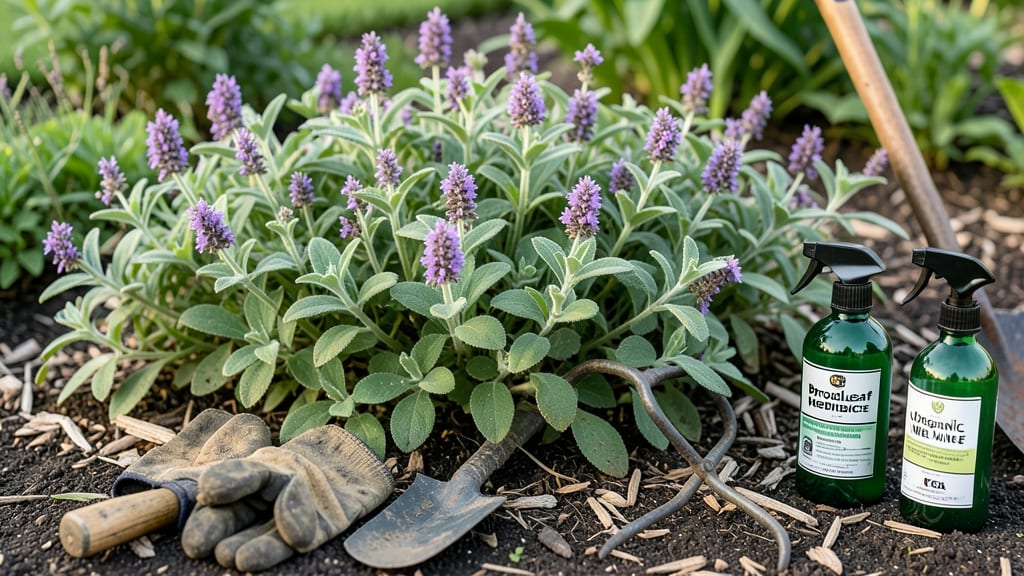
How to get rid of Florida betony—it’s the garden villain you didn’t ask for. 🌱 I’ve spent three summers battling this purple-flowered aggressor, and I finally cracked the code—boiling water and vinegar work faster than herbicides, with no lingering chemicals. The secret? Targeting the roots where they count, not just the leaves you can see.
You’ll need a kettle of boiling water, white vinegar, dish soap, and a sturdy shovel. The vinegar disrupts the plant’s cellular structure while the boiling water sears the roots shut—no regrowth, no excuses.
This method works best on small patches, but even large infestations shrink after a few treatments. The best part? No gloves, no masks, and no waiting for rain to wash away your efforts.
Within minutes, the betony wilts, and by morning, it’s brown and brittle. Pull what’s left from the soil, and you’ll see the roots—blackened and shriveled. Repeat weekly until your yard looks like yours again, not a wildflower meadow you didn’t plant.
The smell of vinegar fades fast, but the results last.
For stubborn patches, add a layer of cardboard or newspaper before planting something else—betony hates competition. And if you’re near water, be extra vigilant: this plant spreads like gossip at a garden club meeting. Once you master this, invasive plants won’t stand a chance.
📚 In This Guide
- What you need
- Instructions
- Tips and common mistakes
- Wrapping up and next steps
What you need
- ● Boiling water: At least 1–2 gallons (or enough to cover the entire weed patch). Use a large pot or kettle for easy pouring.
- ● White vinegar: 1 gallon (5% acetic acid or higher for best results). Opt for unscented to avoid residue smells.
- ○ Spray bottle or garden sprayer: A 1–2 gallon capacity with a uniform nozzle for even distribution (optional but helpful for spot treatment).
- ● Gloves: Heavy-duty gardening or rubber gloves to protect your hands from heat and vinegar.
- ● Eye protection: Safety goggles (vinegar splashes can sting!).
- ● Trash bags or compost bin: For disposing of uprooted weeds and debris.
- ● Hoe or trowel: A sturdy garden tool for digging out roots if needed.
- ○ Watering can (optional):strong> For rinsing areas if vinegar residue is a concern.
- ● ☀️ Timing: Work on a sunny day—vinegar works best when the plants are actively photosynthesizing.
- ○ 🌱 Pre-treatment: Trim large weeds with a pruner (optional) to reduce bulk before applying boiling water.
- ● 🔥 Safety first: Avoid pouring boiling water near desired plants—keep a 6-inch buffer around flowers, veggies, or grass.
- ● 🌿 Repeat if needed: Stubborn roots may regrow; reapply vinegar solution 1–2 weeks later if necessary.
Step-by-Step instructions for eliminating Florida betony
This method works in minutes—no digging, no chemicals, just heat and acid.
🌱 Step 1: Identify and Target the Plants
Florida betony thrives in shady, moist areas, so scan your yard for clusters of square stems with opposite leaves and tiny purple flowers. Grab a pair of gloves—this plant can irritate skin—and focus on the center of the plant, where the root crown sits just below the soil surface.
I like to work in small sections: clear a 2-foot by 2-foot area at a time. Pull back any mulch or debris to expose the base of the plants. The goal is to hit the root zone directly with our treatment—miss it, and the plant will regrow. Look for purple-tinged stems or white, fibrous roots spreading outward.
💧 Step 2: Apply Boiling Water Directly to the Root Zone
Fill a 1-gallon kettle or watering can with water and bring it to a full boil. Pour the boiling water slowly and steadily directly onto the base of each plant, aiming for the soil where the roots meet the stem. You’ll need about 1 cup per plant—don’t skimp, or the roots won’t die.
Watch the soil steam and bubble as the heat kills the plant’s vascular system. Florida betony is particularly vulnerable to this method because its shallow roots can’t escape the heat. If you see the leaves wilt immediately, you’re on the right track. Repeat this process for every plant in your targeted area, working in rows for efficiency.
✂️ Step 3: Follow Up with Vinegar for Full Eradication
After the boiling water treatment, let the area cool for 10-15 minutes. Then, mix 1 part white vinegar with 1 part water in a spray bottle or watering can. The acidity in vinegar breaks down remaining plant tissue and prevents regrowth. Spray or pour this mixture directly onto the same root zones you treated with boiling water.
I like to apply the vinegar solution twice: once immediately after boiling and again 3 days later. This ensures any surviving root fragments or underground runners are fully destroyed. The vinegar also helps kill weeds that might sprout in the treated area, giving you a cleaner workspace.
🌿 Step 4: Monitor and Retreat as Needed
Check the treated area 1-2 weeks later for any new growth. Florida betony is persistent, so don’t be surprised if a few stubborn plants pop up. If you see new shoots, repeat the boiling water and vinegar treatment immediately. The key is consistency—once the roots are fully dead, the plant won’t return.
To speed up the process, cover the area with black plastic sheeting for 2-3 weeks after treatment. The heat trapped under the plastic will help kill any lingering roots. Remove the plastic, and you’ll have a clear, weed-free zone ready for replanting or landscaping.
Tips & tricks for eliminating Florida betony
Real talk: Florida betony is stubborn, but these tricks will make the job easier—and more effective—than you'd expect.
Precision Matters in Step 1: When clearing your 2-foot by 2-foot sections, don't just eyeball it. Use a tape measure or a garden hose looped into a rough square. Florida betony's roots spread aggressively, so even a 6-inch miscalculation can leave you with regrowth. I've seen this happen when people rush the sectioning—don't make that mistake.
The Heat Factor: For Step 2, use freshly boiled water every time—don't reuse cooled water from your kettle. The temperature drop kills the effectiveness. I keep a thermos of boiling water ready while I work, topped up from my stove. Watch for that immediate wilting—if leaves don't wilt within 30 seconds of treatment, you're not hitting the root zone properly. That's your cue to dig slightly deeper and aim again.
Vinegar Application Strategy: In Step 3, when applying your 1:1 vinegar mix, focus on the soil surface where the roots were. Don't just spray the leaves—this is where the acid needs to work. I use a watering can with a narrow spout to direct the solution precisely. The second application after 3 days is crucial—this catches any roots that might have survived the initial treatment. Don't skip it, even if the area looks clear.
Monitoring Hack: For Step 4's 1-2 week check, I mark treated areas with small flags or sticks so I don't accidentally treat them again with herbicides or other methods. Florida betony often sends up new shoots from just a tiny root fragment—what looks like a 1-inch sprout can be connected to a 1-foot root system. If you see any purple-tinged growth, treat it immediately rather than waiting for the full 2 weeks.
Pro Tips for Get Rid Of Florida Betony
- Real talk: Florida betony is stubborn, but these tricks will make the job easier—and more effective—than you'd expect.
- Precision Matters in Step 1: When clearing your 2-foot by 2-foot sections, don't just eyeball it.
- The Heat Factor: For Step 2, use freshly boiled water every time—don't reuse cooled water from your kettle.
Frequently asked questions
Is Florida betony toxic to humans or pets?
No, Florida betony (Stachys floridana) isn’t toxic to humans or pets, but its aggressive spread can crowd out native plants. While it’s non-poisonous, avoid ingesting large amounts—it may cause mild stomach upset. Always supervise pets near treated areas until solutions like vinegar or boiling water dry.
How long does it take for Florida betony to die after treatment?
Most plants wilt within 24–48 hours after applying boiling water or vinegar, but full death may take 1–2 weeks. Pull or dig up weakened roots 5–7 days later for best results. Reapply if regrowth appears—this weed is persistent!
Can I use herbicide instead of vinegar or boiling water?
Yes, but opt for glyphosate-free options like vinegar + dish soap (20% acetic acid) for organic control. Herbicides kill surrounding plants too, while boiling water/vinegar target Florida betony precisely. Always follow label instructions for safety.
Why does Florida betony keep coming back after removal?
This weed spreads via underground rhizomes. Dig 6+ inches deep to remove roots, and monitor for regrowth. Solarization (covering with black plastic for 4–6 weeks) or repeat vinegar treatments can break its cycle.
Does weather affect how well these methods work?
Ideal conditions: Sunny, dry days (70°F+). Rain dilutes vinegar/boiling water, reducing effectiveness. Avoid treating before heavy rain—wait for clear skies. Early morning or late afternoon applications minimize evaporation.
Wrapping up and next steps
Getting rid of Florida betony doesn’t have to be a battle—with the right tools and a little persistence, you can reclaim your yard in no time! 🌱 Whether you opt for the quick boiling water or vinegar hack, manual removal, or preventative measures, consistency is key.
Start small, stay vigilant, and soon your garden will be betony-free and thriving.
Ready to take action? Pick your method, grab your supplies, and tackle those weeds today! Your future self (and your lawn) will thank you. 🌿✨