
Lawn
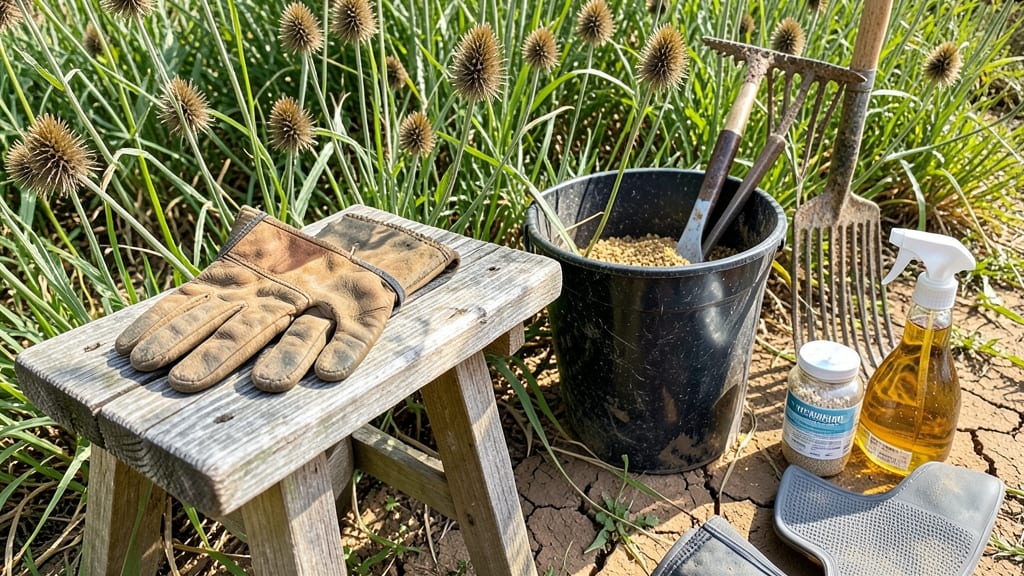
How to get rid of the grass burrs in your yard—they turn your lawn into a spiky nightmare. 🌱 I’ve battled these stubborn invaders for years, and I’ve finally cracked the code for fast, natural removal that actually works—no harsh chemicals required. The key is timing and technique. Late summer or early fall is prime season, when burrs are still soft and easier to pull. Grab a sturdy rake, some thick gloves, and a sharp hoe—these tools make the job 50% faster than struggling with bare hands. A quick spray of undiluted white vinegar weakens the roots, making them easier to yank out. You’ll see a dramatic difference in just one weekend of focused effort. The yard feels softer underfoot, kids can play safely again, and you avoid the itchy aftermath of stepping on those painful spikes. Prevention is just as important: thick grass crowds out burrs, and a layer of mulch smothers any sneaky new growth. It’s a two-part system that keeps your lawn looking lush and burr-free all season long.
The Hidden Triggers Behind Stubborn Grass Burrs
Grass burrs—those prickly, spiky intruders—don’t just appear out of nowhere. They’re the result of a mix of natural behaviors, environmental factors, and even human habits. Understanding why they take over your yard is the first step to kicking them out for good.
Let’s break down the science behind these pesky invaders.
🌱 Why it happens: Grass burrs (often from species like Cenchrus echinatus or Cenchrus longispinus) thrive in thin, patchy, or overgrown lawns because they exploit weak spots. When your primary grass struggles—due to poor sunlight, drought, or heavy foot traffic—burr-producing weeds seize the opportunity.
These burrs are actually seed dispersal mechanisms for grasses that spread aggressively in disturbed or bare soil.
- How it works: Burr grasses release seeds that latch onto clothing, pet fur, or passing animals, spreading far and wide. If your lawn is already stressed, these seeds germinate quickly, creating a cycle of infestation. - Actionable insight: A dense, healthy lawn is your best defense.
Burrs struggle to compete when your grass is thick and vigorous.
🌍 Why it happens: Burr grasses prefer poor soil quality, particularly areas with:
- Low organic matter (compacted or clay-heavy soil)
- Imbalanced pH (especially acidic or alkaline extremes)
- Lack of nutrients (nitrogen, phosphorus, or potassium deficiencies)
These conditions weaken your turfgrass, making it easier for burrs to establish roots. Additionally, bare spots (from construction, pet urine, or foot traffic) provide direct access for seeds to germinate without competition.
- The science: Burr grasses have deep, fibrous root systems that can penetrate hardpan or compacted soil, while shallow-rooted lawn grasses suffocate.
- Fix it: Conduct a soil test to identify deficiencies. Amend with compost or topsoil to improve structure and fertility.
⏳ Why it happens: Burr grasses have specific peak germination periods, often aligning with:
- Late summer to early fall (when soil is warm and moisture is still available)
- Spring rains (triggering dormant seeds to sprout)
If you’re not proactive during these windows, a few burrs can turn into a full-blown invasion within weeks. Their seeds can also remain dormant for years, waiting for the right conditions to strike.
- Key trigger: Disturbed soil (like after aeration or overseeding) can wake up dormant seeds, leading to sudden outbreaks.
- Prevent it: Time your lawn care tasks to avoid disrupting soil during peak burr season.
🐕 Why it happens: Burrs are designed to hitchhike. Once established, they cling to:
- Pet paws (especially dogs that roll in grassy areas)
- Clothing and shoes (tracking seeds into your yard)
- Lawn equipment (mowers, rakes, and brooms can redistribute seeds)
A single walk through an infested area can scatter hundreds of seeds, turning a small problem into a yard-wide epidemic.
- The spread cycle: One burr plant can produce thousands of seeds per season, and each seed is armed with barbed spines for maximum dispersal.
- Stop the cycle: Inspect pets and shoes after outdoor time, and clean equipment regularly with a stiff brush or vinegar solution.
☀️ Why it happens: Burr grasses are opportunistic survivors that adapt to:
- Drought conditions (they outcompete thirsty lawn grasses)
- Heavy rainfall (washes away mulch, exposing bare soil)
- Hot, dry spells (stresses turfgrass, leaving gaps for invaders)
In southern U.S. climates, they’re year-round pests, while in cooler regions, they may lie dormant until spring.
- Regional risk: Areas with sandy or rocky soil are particularly vulnerable because burrs struggle less in loose, disturbed ground.
- Adapt your strategy: In drought-prone zones, deep watering and shade-tolerant grasses can reduce burr habitats.
🚨 Why it happens: Many homeowners miss the first signs of burr infestation because:
- They mistake burrs for harmless clover or dandelions (until they’re everywhere).
- They assume one or two burrs won’t matter—but by the time you notice them, they’ve already seeded.
- Mowing too short weakens grass, making it easier for burrs to spread.
Burrs don’t just pop up—they strategically colonize where your lawn is at its weakest.
- The tipping point: A single burr plant can double its population in one growing season if left unchecked.
- Act now: Pull or smother new burrs immediately before they release seeds.
Quick Fixes for Stubborn Grass Burrs
Now that you know why those pesky grass burrs (like sandburs, foxtails, or crabgrass) are invading your yard, it’s time to tackle them head-on. The good news? Most solutions are simple, natural, and effective—no harsh chemicals required.
Below, we’ve mapped the best fixes to the most common causes, plus pro tips to keep burrs from staging a comeback.
Fix: Mow High and Thick Grass burrs thrive in sparse, weak turf where sunlight reaches the soil. A dense, healthy lawn is their worst enemy.
- 🔪 Mow regularly (set your mower to 3–4 inches) to shade the soil and outcompete weeds.
- 💡 Pro Tip: Never remove more than ⅓ of the grass blade at once—this stresses the lawn and invites burrs.
- 🌱 Overseed bare spots in fall with a fine fescue or ryegrass mix for quick coverage.
Prevention:
- 📅 Water deeply 2–3 times per week (early morning) to encourage deep roots.
- 🍄 Apply a light layer of compost to improve soil health naturally.
Fix: Shade Out the Problem Burrs love sunny, dry patches. If your yard is a sunbaked desert, it’s time to cool things down.
- 🌳 Plant shade-tolerant ground covers like creeping thyme, clover, or moss in hot spots.
- 🏡 Install shade structures (pergololas, lattice screens) to break up direct sunlight.
- 💡 Pro Tip: Mulch heavily (3–4 inches of wood chips or straw) to block light and retain moisture.
Prevention:
- 🌿 Choose native grasses (like buffalo grass or zoysia) that thrive in your climate.
- 🌧️ Drip irrigation keeps soil consistently moist, deterring burr seeds from germinating.
Fix: Loosen and Feed the Soil Burrs take root where soil is hard and nutrient-poor. Aeration and organic matter are your best tools.
- 🔧 Aerate in early fall or spring with a manual core aerator (rent one if needed).
- 🌱 Top-dress with compost (¼-inch layer) to improve drainage and fertility.
- 💡 Pro Tip: Mix in sand or perlite if your soil is clay-heavy to prevent compaction.
Prevention:
- 🍂 Leave grass clippings (they decompose into free fertilizer!).
- 🌿 Test your soil (DIY kits at garden centers) and amend with kelp meal or bone meal if needed.
Fix: Disrupt the Cycle Animals (like rabbits or birds) spread burr seeds, and pests (grubs, chinch bugs) weaken grass.
- 🐇 Set humane traps or use repellent plants (like marigolds or lavender) to deter wildlife.
- 🐜 Treat grubs naturally with beneficial nematodes or neem oil spray.
- 💡 Pro Tip: Rake up fallen leaves and debris—they harbor burr seeds and pests.
Prevention:
- 🌿 Plant a "buffer zone" of rosemary, mint, or garlic around your yard to repel critters.
- 🌱 Encourage predators (like ladybugs) with native flowers (dill, yarrow).
Fix: Block and Remove If burrs are hitching rides on clothes, pets, or the wind, containment is key.
- 🧦 Shake out rugs, towels, and pet bedding outside before bringing them in.
- 🚪 Install a door mat with a brush strip to catch burrs on shoes.
- 💡 Pro Tip: Wear long pants and closed-toe shoes when walking through burr-prone areas.
Prevention:
- 🌿 Trim back overgrown edges where wind funnels through.
- 🧹 Sweep driveways and patios regularly to remove stray burrs.
If burrs are already deep-rooted, act fast with these no-dig solutions:
| Method | How to Do It | Best For |
|---|---|---|
| 🔥 Boiling Water | Pour directly on burrs (avoid healthy grass). Repeat weekly. | Small patches, sidewalks |
| 🍳 Vinegar Spray | Mix 1 gallon white vinegar + 1 cup salt + 1 tbsp dish soap. Spray on burrs. | Weeds in cracks, driveways |
| 👨🍳 Corn Gluten | Apply organic corn gluten meal (pre-emergent) in early spring. | Preventing new seeds from sprouting |
| 🥘 Hand-Pulling | Use gloves and a weeding tool to grasp the base and tug (best after rain). | Small, isolated burrs |
⏰ Timing Matters:
- Pull in the morning when soil is moist but not muddy.
- Avoid pulling in heat—it stresses the lawn further.
- 🛡️ Strengthen Your Grass – Mow high, water deep, and fertilize lightly.
- 🚫 Block the Sun – Use shade cloth or mulch in problem areas.
- 🧹 Stay Vigilant – Inspect your yard weekly and remove burrs before they seed.
💡 Final Pro Tip: Keep a "burr removal kit" handy with:
- A sturdy weeding tool
- Rubbing alcohol (for sticky burrs on clothes/pets)
- A small bucket of soapy water (to soak burrs before disposal)
With these fixes, your yard will go from burr battleground to lush fortress in no time. And remember—prevention is the ultimate weapon**! 🚀
Frequently asked questions
Why do grass burrs seem to spread so quickly?
Grass burrs spread rapidly because their seeds have barbed spines that latch onto clothing, pet fur, and even lawn equipment. A single plant can produce thousands of seeds, and each seed can travel far before germinating in disturbed soil. The more bare spots in your yard, the faster they'll take over.
What's the best time of year to remove grass burrs?
The ideal window is late summer to early fall when burrs are still soft and easier to pull. Soil moisture is higher after summer rains, making removal less stressful for your lawn. Avoid pulling during extreme heat or drought—this can damage your grass.
Will vinegar really kill grass burrs without harming my lawn?
Undiluted white vinegar can effectively kill grass burrs, but it may also damage nearby grass if not applied carefully. For spot treatment, use a spray bottle with 1:1 vinegar and water ratio, targeting only the burrs. Test on a small area first to check for sensitivity.
How can I prevent burrs from coming back next season?
Focus on maintaining a thick, healthy lawn through proper mowing, watering, and fertilization. Overseeding bare patches in fall and applying a pre-emergent like corn gluten in early spring can also help block new seeds from sprouting.
What should I do if my dog keeps bringing burrs into the house?
Keep a brush or lint roller near your door to quickly remove burrs from your dog's fur. Wipe down paws with a damp towel after outdoor time, and consider using a pet-safe spray (like diluted vinegar) on their bedding to deter burrs from sticking.