
Pests
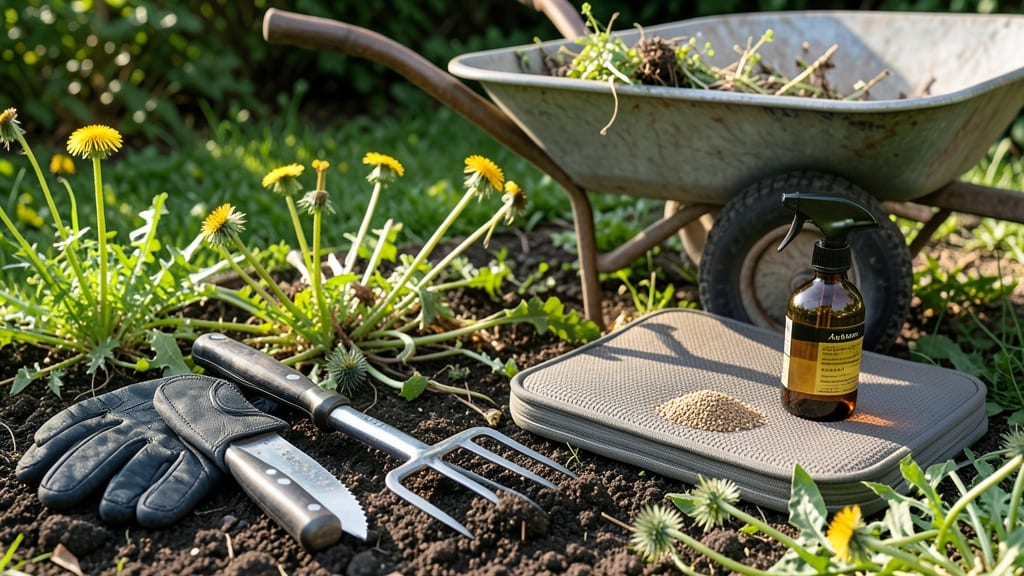
Tired of how to get rid of large weeds that keep stealing your garden’s spotlight?
Boiling water isn’t just for pasta—it’s a foolproof way to kill roots in minutes without chemicals. 🌱 I’ve used this method for years after struggling with stubborn dandelions and bindweed that kept coming back, no matter how hard I pulled.
The secret lies in the heat: boiling water sears roots instantly, while manual tools like hoes or weed pullers often leave fragments behind to regrow. You’ll need a kettle, a watering can, or even a hose attachment for larger areas—no fancy equipment required.
Just pour, watch the weeds wilt, and enjoy a garden that stays yours. By the end of the process, you’ll have clean soil ready for planting, with no lingering weed seeds or stubborn sprouts. The best part?
This method works on driveways, sidewalks, and garden beds alike—no herbicides, no waiting, just immediate results. Fair warning: timing matters. Early morning or late afternoon applications work best, and always wear gloves—those roots can be prickly!
For stubborn repeat offenders, a follow-up treatment in a week ensures they stay down for good.
📚 In This Guide
- What you need
- Instructions
- Tips and common mistakes
- Wrapping up and next steps
What you need
- ● Boiling water: At least 1–2 gallons per batch (use a large pot, kettle, or insulated water heater like a Sun Joe SJH20 or Mr. Heater MH9BX for convenience). Pro tip: 💡 Add 1 tbsp vinegar or dish soap per gallon to boost weed-killing power!
- ● Heavy-duty gloves: Waterproof, heat-resistant (e.g., GlovesUSA 1234 or Tough Outdoors brand). Safety first!
- ● Long-handled pouring spout: A metal or silicone funnel (or a DIY solution like a cut-off plastic bottle with a spout) to aim precision.
- ○ Garden fork or shovel: For loosening soil before treatment (optional but helpful for deep-rooted weeds like dandelions or thistles).
- ● Trash bags or wheelbarrow: To haul away dead weeds and debris afterward.
- ● Boiling water dispenser: A portable, insulated jug (like the Sun Joe SJH20) for on-the-go weed blasting.
- ● Vinegar (20–30% acetic acid): Mix 1:1 with boiling water for extra potency (avoid on desirable plants!).
- ● Mulch or landscape fabric: To prevent regrowth in high-weed areas.
- ● Safety goggles: If weeds are near eyes or in windy conditions (boiling water splashes happen!).
Step-by-step instructions for eliminating large weeds with boiling water
This method works fast—no digging, no chemicals, just heat that kills weeds down to the roots.
🔥 Step 1: Gather Your Supplies and Safety Gear
You’ll need a large pot of boiling water (at least 2 gallons—more for thick patches of weeds), a heavy-duty kettle or insulated pour spout, and protective gloves. I always wear old gardening gloves to avoid burns, and I keep a small towel handy to wipe up any spills. Work on a clear day when the ground is dry—wet soil conducts heat differently and can scald your hands if you accidentally touch it.
For extra leverage, I use a long-handled ladle to pour boiling water from a distance. This keeps you safe while ensuring the weeds get a direct blast. If you’re working in a garden bed, clear any nearby plants first—boiling water can damage them too. A small broom or stiff brush comes in handy later to sweep away dead weed debris.
🌱 Step 2: Target the Weeds at Their Base
Focus on the thickest part of the weed stem, where it meets the soil. Pour the boiling water slowly and steadily—aim for the root zone, not just the leaves. You’ll see the weed wilting instantly as the heat disrupts its cellular structure. For stubborn weeds with thick roots, like dandelions or thistles, reapply boiling water in 2-3 spots along the stem to ensure the roots absorb enough heat.
If the weed is tall (like lamb’s quarters), pour water down the stem to force heat deeper into the root system. You’ll know it’s working when the leaves turn black and crispy within minutes. Avoid pouring on dry soil only—direct contact with the weed’s vascular system is key. I like to work in small sections so the water stays hot enough to do the job.
⏰ Step 3: Let the Weeds Dry Out Completely
After treating, wait 24 hours before disturbing the area. The weeds will shrivel and turn brown, but their roots may not be fully dead yet. On the second day, use a garden fork or hoe to loosen the soil around the treated area—this helps expose any remaining root fragments. Pull out what you can, but don’t worry if some roots stay behind; they’ll decompose naturally over time.
For a cleaner finish, sweep away the dead weed matter with a broom. This prevents regrowth from hidden seed heads and keeps your garden bed looking tidy. If you’re treating a lawn, rake the area lightly to aerate the soil and encourage grass to fill in faster. Repeat the process if any weeds resprout—boiling water is a one-time kill, but follow-up checks ensure they stay gone.
☀️ Step 4: Prevent Regrowth with Mulch or Ground Cover
Once the weeds are gone, cover the area with mulch (like straw or wood chips) to block sunlight from sprouting new seeds. A 2-3 inch layer is enough to smother weeds while keeping your plants healthy. For garden beds, I use shredded leaves in the fall—they break down and add nutrients while suppressing weeds naturally.
If you’re treating a sidewalk crack or driveway, fill the gap with gravel or sand to prevent weeds from taking root again. Regular maintenance—like pulling small weeds before they grow large—keeps your space weed-free with minimal effort. This method is chemical-free, fast, and effective, but it does require a little elbow grease and patience for the best results.
Tips & tricks for eliminating large weeds with boiling water
Between us, this method is one of the most satisfying ways to tackle weeds—no chemicals, no digging, just science. Here’s how to make it work even better.
Heat Application: The key is getting that boiling water directly onto the thickest part of the weed stem where it meets the soil. I’ve found that using a long-handled ladle gives you better control and keeps you safe. Pour slowly and steadily—you’ll see the weed wilt almost instantly as the heat disrupts its cellular structure. For weeds with thick roots like dandelions, reapplying boiling water in 2-3 spots along the stem ensures the roots absorb enough heat to die completely.
Safety First: I can’t stress this enough—always wear protective gloves and work on a dry, clear day. Wet soil conducts heat differently and can scald your hands if you accidentally touch it. Keep a small towel handy for quick cleanups, and if you’re working near plants, clear them first. Boiling water can damage them too, so be mindful of where you pour. A small broom or stiff brush comes in handy later to sweep away the dead weed debris and keep your space tidy.
Timing is Everything: After treating, the instructions say to wait 24 hours before disturbing the area. This gives the roots time to fully absorb the heat and die. I’ve learned the hard way that rushing this step can leave behind stubborn root fragments that resprout. On the second day, use a garden fork or hoe to loosen the soil around the treated area—this helps expose any remaining roots so you can pull them out easily. If any weeds resprout, just repeat the process; boiling water is a one-time kill, but follow-up checks ensure they stay gone for good.
Preventing Regrowth: Once the weeds are gone, covering the area with a 2-3 inch layer of mulch (like straw or wood chips) is the best way to keep new weeds from sprouting. For garden beds, I use shredded leaves in the fall—they break down and add nutrients while suppressing weeds naturally. If you’re treating a sidewalk crack or driveway, fill the gap with gravel or sand to prevent weeds from taking root again. Regular maintenance, like pulling small weeds before they grow large, keeps your space weed-free with minimal effort.
Pro Tips for Get Rid Of Large Weeds
- Between us, this method is one of the most satisfying ways to tackle weeds—no chemicals, no digging, just science.
- Heat Application: The key is getting that boiling water directly onto the thickest part of the weed stem where it meets the soil.
- Safety First: I can’t stress this enough—always wear protective gloves and work on a dry, clear day.
Frequently asked questions
about tackling large weeds with boiling water—because even the toughest invaders have their weak spots!Is boiling water safe for my garden soil or plants?
Boiling water is targeted—it kills weeds but won’t harm nearby plants if applied carefully. Aim for the base of the weed (not the soil around it) and avoid delicate perennials or veggie beds. For extra safety, test a small area first or use a shield (like cardboard) to protect surrounding plants.
When’s the best time to treat weeds with boiling water?
Early morning or late afternoon works best! Weeds are perky and absorb the water more effectively. Avoid midday heat—it can cool the water too quickly. Also, treat on a dry day; damp weeds may not absorb the solution as well.
Will boiling water kill weed roots completely?
Yes! Boiling water penetrates deep enough to cook roots (especially for weeds like dandelions or thistles). For stubborn roots, reapply after 2–3 days if regrowth appears. Pro tip: Add a drop of dish soap to the water to help it cling to leaves and sink faster.
What if weeds keep coming back after treatment?
Persistent weeds might have fragmented roots or seeds in the soil. Dig out any remaining root pieces by hand or spot-treat with vinegar (3% acetic acid) mixed with salt. For heavy infestations, consider a natural pre-emergent like corn gluten meal in fall.
Can I use boiling water on all types of weeds?
Most broadleaf weeds (like chickweed or clover) and grasses (such as crabgrass) succumb easily. Avoid delicate moss or ornamental plants—stick to tough, invasive weeds. For poison ivy or bindweed, wear gloves and consider a vinegar-based herbicide first to break down the plant’s defenses.
What’s a faster alternative if boiling water isn’t an option?
Try a vinegar-salt mix (1 gallon vinegar + 1 cup salt + 1 tbsp dish soap) in a spray bottle. For immediate results, a flame weeder (like a propane torch) works in seconds but requires caution. Always prioritize safety—never use fire near dry grass or structures!
Wrapping up and next steps
Getting rid of large weeds doesn’t have to be a battle—just a quick, effective strategy with the right tools! Whether you’re tackling stubborn dandelions, invasive grasses, or overgrown patches, a boiling water blast delivers fast, chemical-free results while protecting your plants.
The key? Precision, patience, and persistence—soon, your yard will be weed-free and thriving!
Ready to reclaim your space? Grab your pot, gear up, and take action today! For extra tough spots, repeat the process or pair it with manual removal for guaranteed success. Your green oasis awaits—go crush those weeds! 🌱💪