
Pests
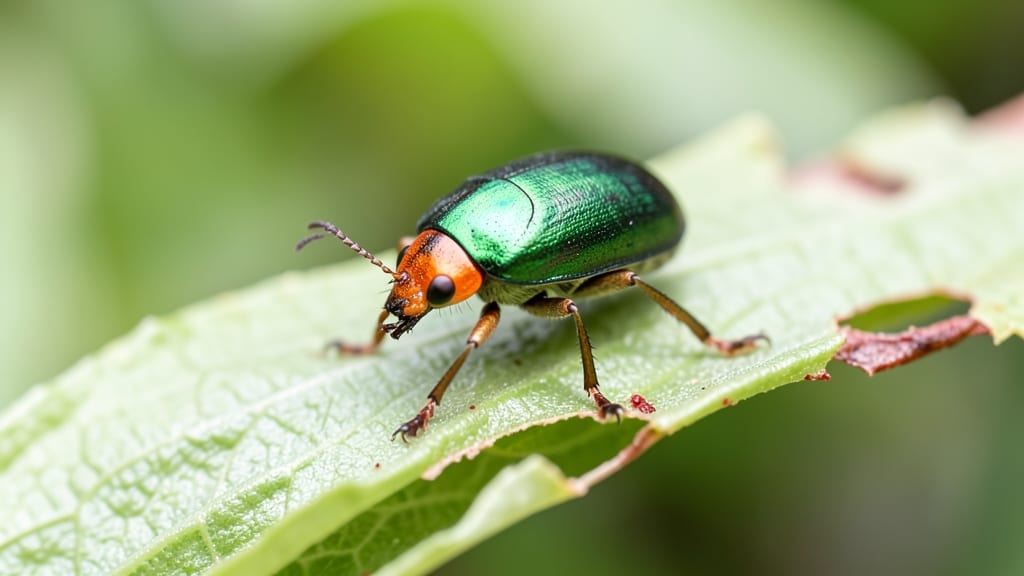
How to get rid of lily leaf beetles turned my prized fritillaries into skeleton leaves overnight. 🌱 The good news? A neem oil barrier doesn't just repel them—it smothers adults and eggs before they hatch, breaking the cycle for good. Most sprays fail because they target only the beetles you see. Neem oil works differently: it creates a protective film that disrupts their life cycle at every stage. You'll need 1 tablespoon neem oil, 1 quart water, and a sprayer—plus a little patience for the 2-3 treatments needed to see results. By day 7, you'll notice fewer beetles crawling on your plants, and new growth will emerge unscathed. The key is consistency: apply every 5-7 days during their peak season (late spring to early summer), and your lilies will bounce back faster than you'd expect. This method works for all lily varieties—whether you're growing Asiatics, Orientals, or even daylilies. The secret? Timing and thorough coverage. Let's get started!
📚 In This Guide
- What you need
- Instructions
- Tips and common mistakes
- Wrapping up and next steps
What you need
- ● Neem oil (100% cold-pressed, organic): 1–2 quarts (for a 1–2 gallon spray solution)
- ○ Horticultural oil (optional but effective): 1 quart (mix with neem oil for stronger results)
- ● Spray bottle or garden pump sprayer: 1–2 (1–2 gallon capacity, preferably with a fine mist nozzle)
- ● Dish soap (unscented, biodegradable): 1 tbsp (acts as an emulsifier)
- ● Water (distilled or dechlorinated): 1–2 gallons (for dilution)
- ● Gloves (nitrile or rubber): 1 pair (to protect your skin)
- ○ Face mask (optional but recommended): 1 (if spraying in windy conditions)
- ● Garden twine or stakes: 2–4 (to secure yellow sticky traps if using)
- ● Yellow sticky traps: 2–4 (for monitoring adult beetles)
- ● Pruning shears: 1 pair (to remove heavily infested leaves)
- ● Row covers (fine mesh): 1–2 (to protect lilies long-term)
- ● Beneficial nematodes (for soil treatment): 1–2 lbs (targets larvae)
- ● Handheld vacuum (for adult beetles): 1 (if you prefer physical removal)
Step-by-step instructions for creating a neem oil barrier against lily leaf beetles
Here's the straightforward method I've used to stop these destructive beetles in their tracks.
🌿 Step 1: Identify and Clear Infested Areas
Start by examining your lilies and surrounding foliage for signs of lily leaf beetles. Look for bright red adults with black spots and black, oval eggs clustered on leaf undersides. These beetles target true lilies, fritillaries, and daylilies, so focus your efforts on those plants first.
Remove any visible beetles by hand—drop them into soapy water immediately to kill them. Scrape off egg clusters with a stiff brush or your fingernail, placing them in a sealed bag for disposal. This step is critical because neem oil works best when applied to a clean slate without existing pests to reinfest your plants.
💧 Step 2: Mix Your Neem Oil Solution
Combine 1 tablespoon of neem oil with 1 teaspoon of mild liquid soap (like castile soap) in a quart of water. The soap acts as an emulsifier, helping the oil mix properly with water. Stir well until fully blended—this solution will create a protective barrier that disrupts the beetles' life cycle.
I like to mix this solution in a spray bottle for easy application. The key here is consistency—make sure every part of the plant's surface gets coated, including the undersides of leaves where eggs are often laid. Avoid mixing on a windy day, as the oil can drift and harm beneficial insects.
✂️ Step 3: Apply the Barrier to Plants and Soil
Spray the neem oil mixture thoroughly over all plant surfaces, focusing on the top and undersides of leaves, stems, and buds. Don't forget the soil around the base of the plants—this prevents beetles from crawling up from the ground. Apply in the early morning or late afternoon when temperatures are below 90°F to avoid burning the foliage.
Reapply every 7-10 days or after heavy rain, as neem oil breaks down quickly in sunlight and water. This regular application creates a continuous barrier that disrupts the beetles' feeding and egg-laying cycles. You'll notice fewer new beetles appearing within 2-3 weeks of consistent treatment.
☀️ Step 4: Protect New Growth and Monitor Results
As new leaves emerge, apply a fresh coat of neem oil to protect them from beetle infestations. These young leaves are particularly vulnerable, so don't skip this step. Keep an eye out for any signs of new beetles or eggs—if you spot them, repeat the removal process before reapplying the neem oil.
After about 4-6 weeks of consistent treatment, your lilies should show significant improvement. You'll see healthier, undamaged leaves and fewer beetles in the area. This method works best when combined with physical removal of beetles and eggs—neem oil alone won't eliminate an existing infestation, but it will prevent new ones from taking hold.
Tips & tricks for effective neem oil barrier application
Here's what I've learned after battling these beetles for years—these simple tricks make all the difference.
Timing is Everything: The early morning or late afternoon application window isn't just about avoiding heat—it's the perfect time because dew is still present on leaves. This helps the neem oil solution adhere better and spread more evenly. I've found that applying when leaves are damp creates a more effective protective layer that lasts longer between treatments.
Double-Check for Hidden Eggs: Lily leaf beetles are sneaky—they often lay eggs on the undersides of leaves where you might miss them. Use a small flashlight to inspect both sides of every leaf, especially the newer growth. I've caught entire generations of beetles before they hatched just by being thorough with this step. A magnifying glass can help if you're dealing with a severe infestation.
Soil Application Secret: Don't skip treating the soil around your plants! Beetles often crawl up from the ground, and neem oil creates a protective barrier that prevents them from reaching your foliage. Focus on the first 6-8 inches of soil around the base, as this is where most beetle activity originates. This extra step has saved my lilies from reinfestation multiple times.
Weather Watch: Neem oil breaks down quickly in direct sunlight and heavy rain, so timing your applications matters. I always check the forecast before spraying—if rain is expected within 24 hours, I'll wait. The 7-10 day reapplication schedule assumes normal weather conditions; you may need to apply more frequently during prolonged wet periods or intense sun exposure.
Pro Tips for Get Rid Of Lily Leaf Beetles
- Here's what I've learned after battling these beetles for years—these simple tricks make all the difference.
- Timing is Everything: The early morning or late afternoon application window isn't just about avoiding heat—it's the perfect time because dew is still present on leaves.
- Double-Check for Hidden Eggs: Lily leaf beetles are sneaky—they often lay eggs on the undersides of leaves where you might miss them.
Frequently asked questions
When is the best time to treat lily leaf beetles?
Act fast! Apply neem oil or other treatments early in the season (spring to early summer) when beetles first appear. Target adults before they lay eggs (look for skeletonized leaves ). Repeat every 7–10 days for 3–4 weeks to break their life cycle. Fall treatments can also help reduce overwintering eggs.
Will neem oil harm my plants or beneficial insects?
Neem oil is plant-safe when used correctly (follow label instructions!). However, it can temporarily harm bees and ladybugs. Apply in early morning or late evening when pollinators are less active. Avoid spraying directly on flowers to protect beneficial insects. For extra safety, use azadirachtin-based neem (less toxic to non-target species).
What if neem oil doesn’t work? Are there alternatives?
If neem oil falls short, try these effective alternatives:
- Insecticidal soap or horticultural oil: Spray directly on beetles (reapply every 5–7 days).
- Kaolin clay: Creates a protective barrier; reapply after rain.
- Handpicking: Drop adults into soapy water (wear gloves—they bite! ).
- Pyrethrin-based sprays: Fast-acting but use sparingly (toxic to fish/pets).
Pro tip: Combine methods for best results! For example, use neem oil for prevention + handpick adults during outbreaks.
How long until I see results after treatment?
You should notice a reduction in beetles within 24–48 hours of treatment, but full eradication takes 3–4 weeks (their life cycle). Adults may die quickly, but eggs/larvae take longer. Monitor daily and retreat if new beetles appear. Patience is key—consistency wins!
My lilies are already severely damaged. Can I still save them?
Yes! Prune damaged foliage (but leave healthy stems) to encourage regrowth. Focus on protecting new growth with neem oil or physical barriers (e.g., row covers). For next season, plant resistant varieties like Lilium martagon or Lilium canadense. Severe cases may need systemic insecticides (last resort—consult a local nursery).
Wrapping up and next steps
You’ve got the tools—and now the know-how—to banish lily leaf beetles for good! 🌿 With neem oil, diligent monitoring, and a little patience, your lilies can thrive without these pesky invaders. Start by applying your homemade barrier this weekend, and soon you’ll be admiring lush, beetle-free foliage.
Ready to reclaim your garden? Take action today—your lilies will thank you! For extra peace of mind, check our FAQs or explore alternative treatments if needed.