
Pests
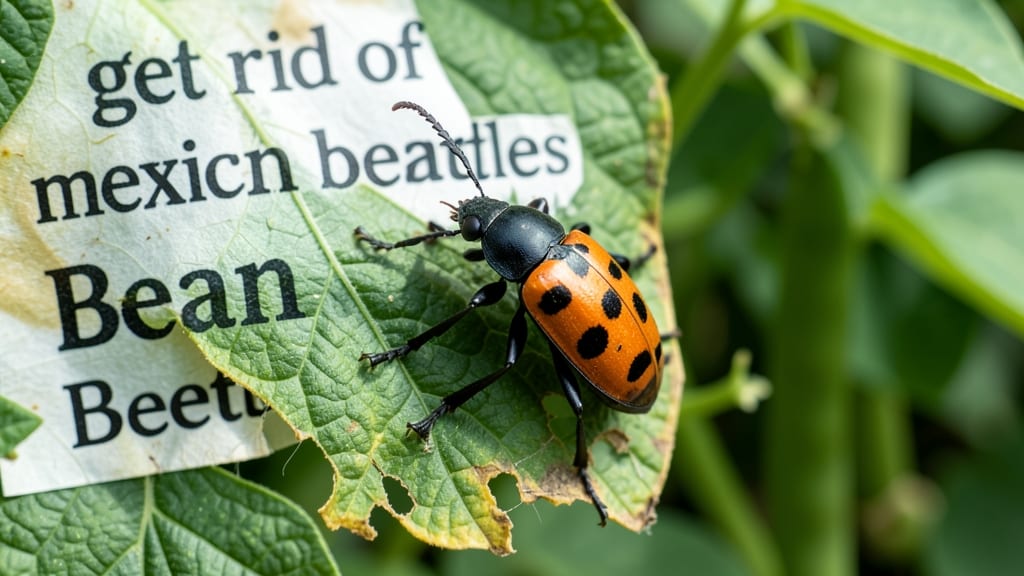
How to get rid of Mexican bean beetles—before they turn your bean plants into skeleton leaves in days. 🌿 I’ve seen them strip entire gardens bare—and the key to stopping them isn’t just spraying, but breaking their life cycle before they hatch. Neem oil isn’t just a spray; it’s a game-changer that disrupts their development within 48 hours if timed right.
The real damage? They don’t just eat leaves—they skeletonize them, leaving behind a lace-like mess that weakens plants. Worse, their larvae burrow into roots, making recovery nearly impossible without intervention. Most gardeners wait too long, but early action with neem oil (applied at dusk) prevents eggs from hatching at all.
By the third day, you’ll see fewer beetles crawling around, and new growth will start looking healthy and green again. The secret? Consistency—reapply every 5-7 days until no more eggs appear. It’s not just about killing adults; it’s about stopping the next generation before it starts.
Works for beans, peas, and even soybeans, and it’s safe for pollinators if applied correctly. No more helplessly watching your harvest disappear—this method actually works. Let’s get those beetles under control for good.
Root Causes Of Beetle Infestations
Mexican bean beetles (Epilachna varivestis) don’t just show up out of nowhere—they’re drawn to your garden by a mix of environmental cues, plant chemistry, and even human habits.
Understanding why these striped invaders target your beans, peas, and other legumes is the first step to stopping them before they devour your harvest. Here’s a breakdown of the key factors behind their unwelcome visits:
Mexican bean beetles have a serious sweet tooth—literally. They’re attracted to plants in the Fabaceae (legume) family, particularly:
- Beans: Green, wax, and lima beans are their favorite meals. The beetles’ larvae and adults feed on leaves, flowers, and pods, stripping plants of their energy.
- Peas: Both snap and garden peas emit volatile organic compounds (VOCs) that signal to beetles, “Free food here!”
- Other legumes: Soybeans, clover, and alfalfa can also lure them, especially if nearby.
The beetles’ antennae detect plant stress signals, like those released when plants are damaged or under drought stress. Pro tip: 💡 If your garden is already struggling (e.g., wilting or nutrient-deficient), you’re unintentionally broadcasting a “Come and eat me!” signal.
Mexican bean beetles are warm-weather pests, thriving in temperatures between 70–90°F (21–32°C). Here’s how climate plays a role:
- Overwintering: Adults survive winter in leaf litter, mulch, or garden debris. When spring hits 50°F (10°C), they emerge hungry and ready to reproduce.
- Summer boom: Eggs hatch in 7–10 days in warm conditions, leading to rapid population explosions. A single female can lay 400–500 eggs in her lifetime!
- Drought stress: Dry soil weakens plants, making them more vulnerable to beetle attacks. Irregular watering = beetle buffet.
Fun fact: 🌡️ These beetles cannot survive below 50°F (10°C)—so early-season frosts or cool summers can naturally reduce their numbers.
Mexican bean beetles are opportunistic—they exploit gardens where:
- Pollinators (like bees) are active: Beetles often arrive after bees have visited flowers, feeding on the damaged tissue left behind. Think of it as garden free-loading.
- Large plantings of a single crop: Monoculture gardens (e.g., rows of only green beans) create a beetle buffet. Diversity confuses them—more on that in solutions!
- Weedy borders: Beetles use wild legumes (like clover or vetch) as “stepping stones” to reach your prized crops.
Pro tip: ✨ Plant trap crops (like cowpeas) far from your main garden to misdirect beetles away from your harvest.
Sometimes, we accidentally create the perfect beetle paradise. Check your garden for these common mistakes:
- Poor garden hygiene: Leaving last year’s plant debris (especially bean vines) provides shelter for overwintering adults.
- Over-fertilizing with nitrogen: Lush, soft new growth is a beetle delicacy. Balance your soil—too much nitrogen = beetle magnet.
- Ignoring early signs: Beetles start small. If you wait until your plants are skeletonized (bare stems with holes), they’ve already won.
- Neglecting beneficial predators: Birds, ladybugs, and parasitic wasps naturally control beetle populations. Pesticides (even “safe” ones) can disrupt this balance.
Key takeaway: 🎯 The more you understand their triggers, the easier it is to remove the invitation.
Effective Ways to Eliminate Mexican Bean Beetles
Mexican bean beetles may be tiny, but they pack a big punch—stripping your plants bare and leaving behind a trail of destruction. The good news? With the right approach, you can break their life cycle fast and protect your garden.
Below, we’ve mapped out practical solutions tailored to the root causes of these pests, plus prevention tips to keep them away for good.
If you catch an infestation early, manual removal is your best first line of defense. Mexican bean beetles are slow-moving and easy to spot (look for yellow-orange shells and black legs).
How to do it: 👉 🕵️♂️ Scout daily – Check the undersides of leaves, especially on bean plants, early in the morning when beetles are sluggish. 👉 🧤 Wear gloves – These beetles can secrete a foul-smelling fluid when threatened (trust us, you don’t want it on your skin). 👉 🗑️ Drop them in soapy water – A bucket of 1 gallon warm water + 1 tbsp dish soap will dispatch them instantly. 👉 🌱 Repeat every 2-3 days – Beetles lay eggs in clusters, so check often to catch new hatchlings.
Pro Tip: 💡 Use a damp towel to gently wipe off eggs (they’re tiny, yellow, and look like tiny grains of rice). A few seconds of scrubbing can save your plants!
Neem oil isn’t just a repellent—it starves larvae, repels adults, and prevents egg-laying. When applied correctly, it can break their life cycle in 48 hours (yes, really!).
How to make a killer neem spray: 👉 🥄 Mix 1 tbsp neem oil + 1 tsp mild liquid soap + 1 quart water in a spray bottle. 👉 🌿 Spray thoroughly on both sides of leaves, focusing on egg clusters and beetle hotspots. 👉 🌞 Apply in the evening (avoid direct sunlight for 24 hours—it can burn leaves). 👉 🔄 Reapply every 5-7 days or after rain.
Why it works: ✅ Larvae stop eating within hours (they’re picky eaters!). ✅ Adults get confused and leave your plants. ✅ Eggs fail to hatch—no new beetles!
Pro Tip: 🌡️ For extra potency, warm the mixture slightly (not boiling) to help the oil penetrate better.
If you’re dealing with a large-scale infestation, exclusion is key. Mexican bean beetles can’t fly well, but they’ll crawl under covers if not secured properly.
How to set it up: 👉 🛡️ Use lightweight row covers (fine mesh, like Agribon) over plants before beetles arrive (spring is critical!). 👉 🔗 Secure edges tightly with soil or weights—even a tiny gap lets them sneak in. 👉 🌱 Remove covers when plants flower to allow pollination (just add neem spray instead). 👉 🧹 Shake off beetles if they land on the cover before they can crawl underneath.
Pro Tip: ✨ Combine with sticky traps (yellow or blue) near the edges to catch stragglers.
Instead of chemicals, encourage beneficial insects to keep beetle populations in check. Ladybugs, lacewings, and parasitic wasps love munching on Mexican bean beetle eggs and larvae.
How to attract them: 👉 🌼 Plant companion flowers like dill, fennel, or marigolds near your beans—they attract predator insects. 👉 💧 Provide water sources (shallow dishes with pebbles) to keep predators around. 👉 🌿 Avoid broad-spectrum pesticides—they kill the good bugs too!
Pro Tip: 🎯 Release ladybugs in the morning—they’re less likely to fly away if you do it when temps are cool.
The best defense? Prevention. Mexican bean beetles overwinter in soil, so disrupt their cycle early.
📅 Spring Prep (Before Beetles Arrive): ✅ 🌱 Rotate crops – Don’t plant beans in the same spot yearly. ✅ 🔄 Till soil in fall – This exposes overwintering beetles to predators and cold. ✅ 🌿 Plant trap crops – Sacrifice a few runner beans far from your main garden to lure beetles away. ✅ 🛡️ Use reflective mulch (aluminum foil or silver plastic) around plants—beetles dislike shiny surfaces!
🚨 Early Summer (When Beetles Hatch): ✅ 🕵️♀️ Inspect plants weekly – Catch eggs before they hatch! ✅ 🍃 Prune heavily damaged leaves – Remove and burn or trash (don’t compost!) infested foliage. ✅ 🌿 Interplant with herbs – Basil, thyme, and oregano deter beetles naturally.
Final Reminder: Mexican bean beetles are annual pests, so consistency is key. Combine hand-picking, neem oil, and prevention** for the best results. Your beans will thank you! 🌱💚
Frequently asked questions
Why are Mexican bean beetles suddenly attacking my garden?
These beetles thrive in warm weather (70–90°F) and target stressed plants. They’re drawn to legumes like beans and peas, especially if your soil lacks nutrients or your garden has monoculture crops. Check for yellowing leaves or skeletonized foliage—their telltale sign!
Can I use neem oil if it’s already raining?
Neem oil works best when applied to dry leaves, but it’s not ruined by light rain. Just reapply after 24 hours to ensure full coverage. Heavy downpours may wash it off, so time sprays for dry mornings or evenings when rain isn’t forecasted.
What’s the fastest way to stop new beetle eggs from hatching?
Scrub eggs off leaves with a damp cloth (they look like tiny yellow grains of rice) or spray with neem oil at dusk. Eggs hatch in 7–10 days, so act immediately! For severe cases, combine hand-picking with row covers to block adults from laying more.
Are Mexican bean beetles harmful to humans or pets?
No—they’re plant pests only! However, they release a foul-smelling fluid when threatened, so wear gloves when handling them. Their larvae burrow into roots, but they won’t harm pets or people. Always dispose of them in soapy water to avoid spreading.
Can I still harvest beans if beetles are present?
Yes, but remove heavily damaged pods first. Beetles target leaves and flowers, not mature beans. Harvest frequently to encourage new growth, which beetles prefer over older foliage. Focus control efforts on leaves to protect your yield.