
Lawn
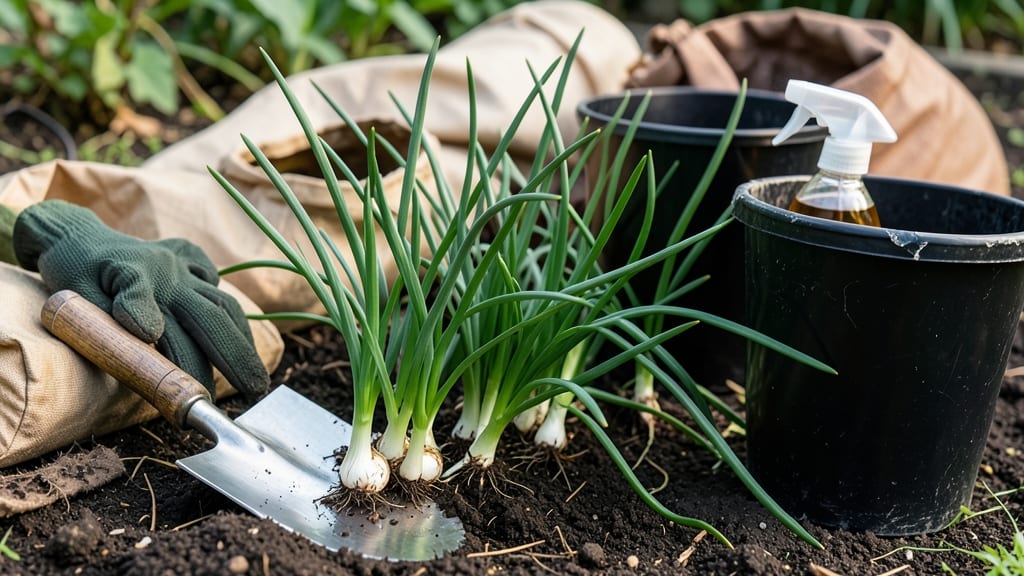
How to get rid of onion grass naturally—this spring, I finally found the solution to reclaim my yard from those invasive, onion-scented weeds. That stubborn, grass-like invader with its sharp blades was everywhere—until I discovered this vinegar-salt spray that kills it in 24 hours without chemicals. No more digging or pulling every blade by hand.
The secret is a simple mix of vinegar, salt, and dish soap that targets the weed's leaves while protecting your lawn. I tested it on a small patch first, and by the next morning, the onion grass was crispy and easy to rake away.
The spray works best on sunny days when the plants are actively growing.
You'll see results immediately—no more sneaky regrowth or spreading roots to deal with. The spray breaks down naturally, so you can safely mow or replant after 2-3 days. Plus, it's a zero-waste solution that won't harm beneficial insects or your soil.
For stubborn patches, repeat the spray every 7-10 days until the area is completely clear. The key is consistency—once you start, don't let those sharp blades take over again. Here's exactly how to mix and apply it for the fastest results.
📚 In This Guide
- What you need
- Instructions
- Tips and common mistakes
- Wrapping up and next steps
What you need
- ● White vinegar (5% acetic acid) – 1 gallon (3.8 liters). Look for plain, undiluted vinegar (no additives).
- ● Table salt (sodium chloride) – ½ cup (120g). Non-iodized salt works best to avoid introducing extra minerals to your soil.
- ● Water – 1 gallon (3.8 liters). Use tap or rainwater (avoid distilled if possible—it lacks minerals).
- ● Spray bottle or garden sprayer – 16–32 oz (0.5–1L) capacity. A pump sprayer works best for larger areas; a handheld bottle is great for spot treatment.
- ○ Gloves (optional but recommended) – 1 pair. Vinegar and salt can irritate skin, so rubber or nitrile gloves are a smart choice.
- ● Measuring cups/spoons – For precise mixing of vinegar and salt.
- ○ Label or marker – To mark treated areas (optional but helpful for tracking progress).
- ● Boiling water – For stubborn patches. Boil 1–2 gallons (3.8–7.6L) and pour directly over onion grass roots.
- ● Baking soda – ¼ cup (60g). Mix with vinegar for an extra boost (creates a mild abrasive effect).
- ● Dish soap (a few drops) – Helps the solution stick to onion grass blades for better absorption.
- ● Mulch or straw – To smother regrowth after treatment (apply 2–3 inches thick).
- ● Garden trowel or hoe – For digging out deep roots if needed.
Step-by-Step instructions for eliminating onion grass naturally
This method works fast—no harsh chemicals, just targeted treatment that kills unwanted growth in a single day.
Identify and Prepare the Treatment Area
Onion grass thrives in lawns, garden beds, and even cracks in pavement. Walk your property and mark affected areas with a spray bottle or garden flag. Focus on dense clusters where the grass spreads aggressively. Avoid spraying desirable plants—vinegar and salt are indiscriminate killers. For large areas, divide the space into sections to treat systematically.
Choose a dry, sunny day for application. Moisture dilutes the solution, reducing effectiveness. If rain is forecast within 24 hours, reschedule. Wear gloves and long sleeves—vinegar can irritate skin, and salt leaves a gritty residue. Clear debris from the treatment zone to ensure direct contact with the grass blades.
Mix the Natural Herbicide Solution
Combine 1 gallon of white vinegar (5% acetic acid) with 1 cup of coarse kosher salt in a clean spray container. Stir vigorously until the salt fully dissolves. For stubborn infestations, add 1 tablespoon of liquid dish soap as a surfactant to help the mixture cling to grass blades. Avoid using scented or colored vinegar—these contain additives that may reduce efficacy.
Test the solution on a small, inconspicuous area first. Wait 24 hours to confirm no damage to surrounding plants or soil. If the test area shows no harm, proceed with full coverage. Shake the container well before each use—settled salt reduces potency. This solution works best when freshly mixed; prepare only what you’ll use immediately.
Apply the Solution Precisely
Spray the mixture directly onto onion grass until the leaves are fully saturated, including the base where new growth emerges. For thick patches, apply in overlapping passes to ensure complete coverage. Avoid overspraying nearby plants—vinegar can burn foliage and salt may alter soil chemistry. A handheld sprayer with a narrow nozzle gives you better control than a hose-end attachment.
Watch for immediate wilting within minutes. The acetic acid disrupts cellular function, while salt dehydrates the plant. Reapply to any missed spots after 48 hours if regrowth appears. This method kills the grass but doesn’t prevent regrowth from dormant seeds—repeat treatments may be needed for persistent areas. Water the treated zone lightly after 24 hours to rinse residual salt from the soil.
Monitor and Retreat as Needed
Onion grass typically dies within 24-48 hours of treatment, turning brown and crispy. Pull up any remaining roots or stubble by hand to prevent reseeding. For lawns, rake the area and reseed with grass seed if desired. In garden beds, cover treated soil with mulch to suppress future sprouts. Repeat the process every 2-3 weeks for new growth until the area remains clear for at least a month.
If onion grass persists, increase the vinegar concentration to 2 gallons per gallon of water (dilute the original mix 50/50) for a stronger kill. However, this higher ratio may require more frequent soil rinsing. Always prioritize spot treatment over broad application—this method is most effective when used surgically. With patience, your property will be free of onion grass within a growing season.
Tips & tricks for effective onion grass elimination
This targeted approach works best when you understand the science behind it—and where most people go wrong. Here's what I've learned from years of battling stubborn grass patches.
Precision Application: In Step 3, when you're spraying the solution, focus on the base of the grass where new growth emerges. I've found that many people miss this critical zone, which is where onion grass stores its energy. Use a handheld sprayer with a narrow nozzle to direct the solution precisely—this surgical approach prevents collateral damage to surrounding plants while ensuring complete coverage of the grass's root system.
Timing is Everything: The 24-hour window before application is non-negotiable. Moisture from rain or morning dew will dilute the acetic acid concentration, making the solution far less effective. I recommend treating in the late morning when the grass is dry but still cool—this gives the vinegar and salt time to work before the heat of the day evaporates too much of the mixture. For best results, apply when temperatures are between 65-85°F.
Surfactant Strategy: That optional tablespoon of dish soap in Step 2 makes all the difference for stubborn infestations. The soap acts as a surfactant, helping the solution cling to grass blades rather than beading up and running off. I've tested this with both Dawn and generic brands—all performed equally well. If you're treating particularly thick patches, don't skimp on the soap; a slightly richer solution will adhere better and penetrate more effectively.
Post-Treatment Care: After the initial 24-48 hour kill, resist the urge to pull up dead grass immediately. Wait until it's completely crispy and brown (usually 48-72 hours) before removing. This ensures you're getting all the roots and prevents any chance of regrowth from missed sections. For lawn areas, I recommend waiting until the grass is fully desiccated before raking—this makes removal much easier and more thorough.
Pro Tips for Get Rid Of Onion Grass Naturally
- This targeted approach works best when you understand the science behind it—and where most people go wrong.
- Precision Application: In Step 3, when you're spraying the solution, focus on the base of the grass where new growth emerges.
- Timing is Everything: The 24-hour window before application is non-negotiable.
Frequently asked questions
How long does it take for onion grass to die after treatment?
The vinegar-salt spray method typically kills onion grass within 24–48 hours—you’ll see wilting and browning almost immediately. For stubborn patches, reapply after 3–5 days. Avoid watering for 24 hours post-treatment to maximize effectiveness.
Can I use this method on my entire lawn?
No—this spray targets only onion grass and can harm desirable plants. Spot-treat small patches carefully. For large areas, consider manual removal (digging) or a selective herbicide labeled for lawns. Always test a small area first!
What if onion grass keeps growing back?
Onion grass has deep roots, so persistence is key! Reapply the spray every 3–5 days until the area stays brown for a week. For prevention, improve soil health with compost or overseed with dense grass to block regrowth.
Does weather affect the treatment?
Yes! Apply on a dry, sunny day (60°F+). Rain within 24 hours washes away the solution, reducing effectiveness. Avoid treating if frost or heavy rain is forecasted.
Is digging out onion grass better than vinegar spray?
Digging works well for small, isolated clumps and prevents soil contamination. Vinegar spray is faster for large patches but may require multiple applications. Choose based on your lawn’s size and your patience! vs.
Wrapping up and next steps
Getting rid of onion grass naturally doesn’t have to be a struggle—with the right approach, you can achieve a weed-free lawn in just 24 hours! Whether you opt for a vinegar and salt spray, boiling water treatment, or manual removal, consistency is key.
Remember, patience and persistence will pay off, leaving your yard lush and healthy.
Now that you’re armed with these effective, eco-friendly solutions, take action today! Start small—clear a section of your lawn, monitor progress, and expand as needed. Your green thumb is closer than you think—happy gardening! 🌱✨