
Pests
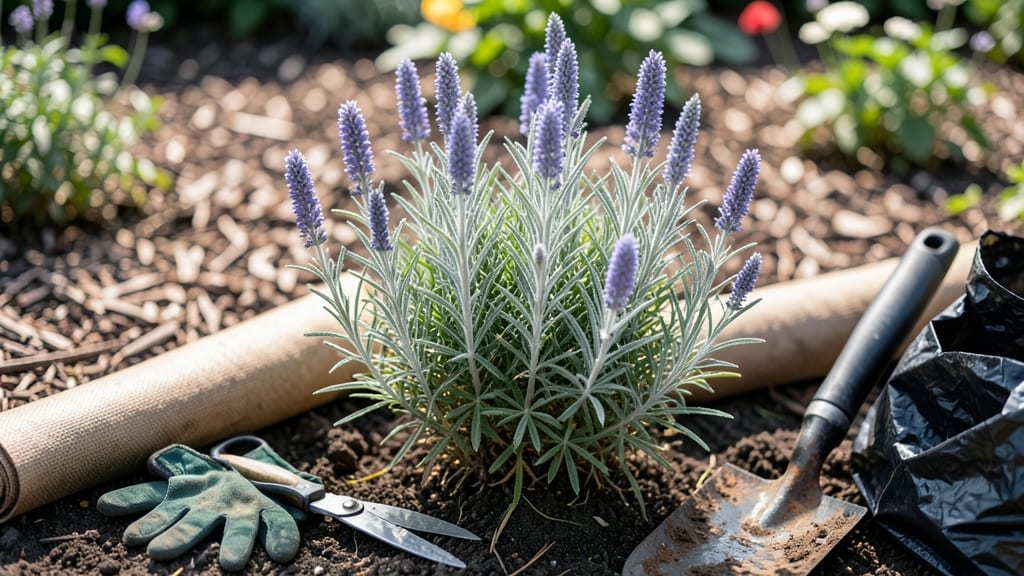
How to get rid of Russian sage—its woody stems and deep roots make it a stubborn garden resident. 🌿 I've wrestled with it in my own yard, and the key to removal isn't brute force—it's strategic suffocation of those roots before they regrow. The problem starts with its aggressive lateral spread. Russian sage thrives in poor soil and drought, sending up new shoots from roots left behind. Simply pulling it won't work—those roots can live for years, waiting for the right moment to push through. Instead, we'll smother the roots with thick cardboard and mulch, starving them of light. Within 6-8 weeks, you'll see new growth slow dramatically, and after 3-4 months, the roots weaken enough to pull. The secret is patience and consistency—no chemicals needed. This method works in any climate zone where Russian sage grows, and it won't harm your existing perennials or nearby plants. Let's make your garden space yours again without harsh chemicals.
Root Causes Behind Its Stubborn Spread
Russian sage (Perovskia atriplicifolia) thrives in many climates, but its aggressive root system and rapid growth can turn it from a desirable ornamental plant into an unwelcome invader.
Understanding the science behind its persistence helps you strategize removal effectively. Here’s why it’s so hard to eradicate—and how its biology works against you.
Russian sage spreads primarily via rhizomes—horizontal, woody underground stems that store nutrients and send up new shoots. Unlike shallow-rooted weeds, its rhizomes can extend 6–12 feet deep and 10+ feet wide, making surface-level removal ineffective.
- Why it matters: Even a small root fragment left in the soil can regenerate into a new plant. Studies show rhizomatous perennials like Russian sage can produce 50+ shoots per square foot if roots aren’t fully excavated.
- Science in action: The plant’s apical dominance (growth priority at the tips) ensures energy is directed toward expanding its root network rather than seed production. This makes it more resilient to disturbance than annual weeds.
- Actionable insight: If you spot new sprouts after pulling plants, assume roots remain—and dig deeper.
Russian sage’s survival in arid, poor-soil conditions is due to deep taproots and drought-resistant adaptations. Unlike moisture-loving weeds, it thrives in neglect, making it harder to starve out through water deprivation.
- Why it matters: Its C3 photosynthetic pathway (efficient in cool, dry climates) allows it to outcompete shallow-rooted plants during droughts. In fact, water stress can stimulate seed germination in some cases.
- Science in action: Research from Journal of Arid Environments shows Russian sage maintains 90% leaf water retention even in extreme heat, while weaker plants wilt.
- Actionable insight: Don’t rely on drought alone—combine water restriction with physical removal to weaken its root reserves.
While Russian sage primarily spreads via rhizomes, it also produces tiny, wind-dispersed seeds that can lie dormant for years before germinating. A single plant can release thousands of seeds per season, ensuring a steady supply of new invaders.
- Why it matters: Seeds are lightweight (<0.5mm) and can travel miles on wind currentspre-sprouted underground.
- Science in action: Studies on Perovskia species reveal seeds germinate best in disturbed soil (e.g., after tilling or construction), which explains why "cleared" areas often regrow.
- Actionable insight: Mulch heavily or solarize soil to prevent seed germination while targeting roots.
Russian sage’s tall, dense growth habit (3–5 feet) shades out competitors, while its deep roots access nutrients others can’t. This dual advantage lets it dominate landscapes without needing ideal conditions.
- Why it matters: Its allelopathic compounds (chemicals released into the soil) may suppress nearby plants, though research is limited. Even without toxins, its sheer size and root depth create an unbreakable monoculture.
- Science in action: A 2018 study in Weed Science found Russian sage reduced understory biodiversity by 40% in Mediterranean climates, crowding out native flora.
- Actionable insight: Smother with cardboard or black plastic to block sunlight and starve roots before digging.
Pro Tip: 💡 Test your soil—if it’s sandy or well-draining (Russian sage’s favorite), amend with clay or compost to make conditions less hospitable for regrowth.
Quick Fixes for Stubborn Russian Sage
Russian sage (Perovskia atriplicifolia) can be a tenacious plant, spreading aggressively if left unchecked. The good news? With the right strategies, you can reclaim your garden without harsh chemicals.
Below are targeted solutions based on the most common reasons Russian sage takes over—and how to stop it for good.
If Russian sage is outcompeting your desired plants, physical removal + smothering is your best bet. This method works especially well in garden beds or areas where you want to replant later.
Step-by-Step Smothering Technique
🔥 Pull or Cut Back the Plant
- Wear gloves and remove as much of the plant as possible, including roots. If pulling isn’t feasible, cut it back to the ground with pruners or a string trimmer.
- Pro Tip: 💡 For deep roots, use a garden fork to loosen the soil around the base before pulling.
🍳 Lay Down a Barrier
- Cover the area with cardboard, thick layers of newspaper, or landscape fabric to block sunlight. Russian sage can’t survive without it.
- Secure the edges with rocks or soil to prevent wind from lifting the barrier.
👨🍳 Add a Mulch Layer
- Top the barrier with 4–6 inches of organic mulch (straw, wood chips, or leaves). This suppresses regrowth and improves soil health over time.
- Warning: ⏰ Check the area every 4–6 weeks for new sprouts and repeat smothering if needed.
🥘 Replant When Ready
- Once the area is clear (usually 3–6 months), remove the barrier and amend the soil with compost before planting new species.
Russian sage spreads via rhizomes (underground stems), so surface-level removal often fails. For stubborn patches, manual root excavation is key.
How to Dig Out the Roots Properly
🔪 Use the Right Tools
- A garden fork, dandelion digger, or hori-hori knife works best for prying out roots without damaging nearby plants.
🌡️ Work in Sections
- Dig around the plant in a 1–2 foot radius, following the root system. Aim to remove at least 6–12 inches deep to catch rhizomes.
- Pro Tip: 🎯 Look for white, woody roots—these are the rhizomes. Snip them with pruners if they break during removal.
🔥 Solarize the Soil (Optional but Effective)
- After removal, water the area thoroughly, then cover it with clear plastic sheeting for 4–6 weeks in hot sun. This kills remaining roots and weeds.
- Warning: ✨ Only do this in dry, sunny conditions—moisture can trap heat and harm soil microbes.
If Russian sage thrives in your climate because of excess moisture, drainage solutions will help. Poor drainage encourages root spread and weakens your defenses.
Improve Drainage & Prevent Regrowth
📊 Raise the Planting Bed
- If your garden has clay soil or poor drainage, consider raising beds with a mix of sand, compost, and gravel to improve water flow.
💪 Choose Drought-Tolerant Alternatives
- Replace Russian sage with lavender, catmint, or ornamental grasses, which thrive in similar conditions but spread less aggressively.
🥗 Mow or Graze (For Lawn Areas)
- If Russian sage invades grassy spaces, mow it down frequently to weaken the plant. Over time, it’ll struggle to compete.
- Pro Tip: 🌡️ For large areas, rent a sod cutter to remove thick patches before smothering.
Once you’ve removed Russian sage, stop it from returning with these long-term strategies:
- 🔥 Plant Competitive Ground Covers – Use creeping thyme, clover, or sedum to outcompete weeds naturally.
- 🌡️ Monitor Soil Moisture – Russian sage loves well-drained but moist soil. Amend with sand or perlite if needed.
- ✨ Regular Inspections – Check for new sprouts every 2–3 weeks during growing season.
- 🎯 Use Vinegar Spray (Spot Treatment Only) – Mix 1 gallon of vinegar + 1 oz dish soap and spray directly on leaves (avoid desirable plants—it’s non-selective).
With persistence, Russian sage won’t stand a chance. Whether you smother, dig, or outplant it, these methods ensure your garden stays yours—not the sage’s! 🚀
Frequently asked questions
Can I just pull up Russian sage and expect it to stay gone?
No—its deep rhizomes (woody underground stems) can regrow from even small fragments left in the soil. Simply pulling it often makes the problem worse. For best results, combine pulling with smothering (cardboard + mulch) or root excavation to prevent regrowth.
How long does it take to fully eliminate Russian sage?
With consistent smothering, you'll see significant reduction in 6-8 weeks, but complete removal typically takes 3-6 months. The key is patience—roots weaken over time when deprived of sunlight. Check monthly for new sprouts and re-smother as needed.
Is vinegar spray an effective alternative to smothering?
Vinegar spray (1 gallon vinegar + 1 oz dish soap) works as a spot treatment but isn't a complete solution. It kills leaves but won't reach deep roots. For stubborn patches, use vinegar for immediate control while implementing smothering or root excavation for long-term results.
Will solarizing the soil kill Russian sage roots permanently?
Yes, but only if done correctly. Cover the area with clear plastic for 4-6 weeks in hot, dry conditions to kill remaining roots. Avoid moist soil—excess water can trap heat and harm beneficial microbes. This method works best in summer when temperatures exceed 90°F.
What's the best time of year to remove Russian sage?
Early spring or late fall is ideal. In spring, roots are actively growing but haven't fully hardened, making them easier to dig. Fall removal prevents new growth before winter dormancy. Avoid removing during peak summer heat, which stresses plants and makes regrowth more likely.