
Pests
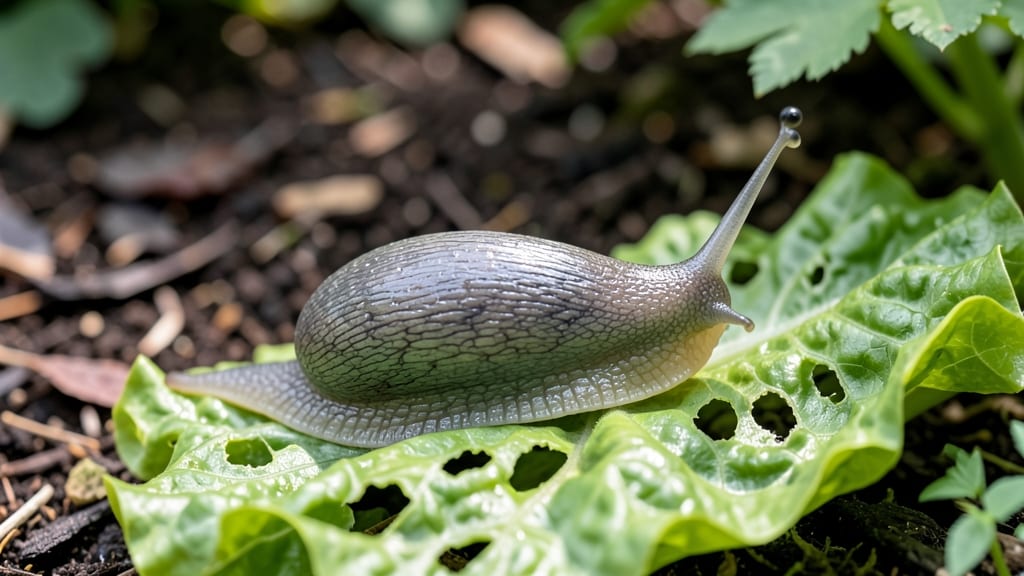
Here’s how to get rid of slugs in the garden naturally—my thriving lettuce was left as skeleton leaves overnight, but a simple copper barrier stopped them instantly without chemicals or traps.
Most slug solutions either fail or rely on harmful sprays. Copper works because these slimy pests have tiny electrical sensors in their bodies, and the metal disrupts their movement without harming plants or beneficial insects.
You can bend it into a circle around pots or lay it flat along garden beds.
Within days, you'll see fewer slime trails and more intact leaves. The barrier lasts for years, requires no maintenance, and keeps working through rain and frost. Even better? It's completely safe for pets and kids to have around.
This method works best in veggie gardens, flower beds, and container setups. For larger areas, combine it with other natural deterrents like diatomaceous earth or crushed eggshells for extra protection. Here's how to set it up right.
Why Slugs Invade Gardens
Slugs may seem like harmless, slimy visitors, but they can turn your thriving garden into a buffet—leaving behind ragged holes in leaves, chewed stems, and even devoured seedlings overnight. 🌱🐌 Understanding why these pests show up in the first place is the key to stopping them before they wreak havoc.
Let’s break down the science behind their garden takeovers.
Slugs are essentially water-loving mollusks—they need moisture to survive, and gardens provide the perfect conditions. Here’s why:
- High humidity: Slugs thrive in environments with relative humidity above 80%. Damp evenings, foggy mornings, or poorly draining soil create ideal conditions for them to slither around undetected.
- Overwatered soil: While plants need water, slugs love soggy soil. If your garden retains moisture for too long (especially in shaded or low-lying areas), slugs will move in en masse. Pro tip: Test soil moisture by squeezing a handful—if water drips out, it’s slug heaven.
- Rainy seasons: After heavy rainfall, slug populations explode because eggs hatch in moist conditions, and adult slugs emerge to feed. This is why slug damage often spikes in spring and fall.
Actionable fix: Improve drainage, water deeply but less frequently, and avoid mulching too thickly in problem areas.
Slugs aren’t picky eaters—they’ll feast on almost any plant, but some gardens accidentally become all-you-can-eat zones. Here’s what attracts them:
| Plant Type | Why Slugs Love It | Slug Magnet Score |
|---|---|---|
| Hostas, lettuce, and cabbage | Tender, moisture-rich leaves are irresistible to slugs. | ⭐⭐⭐⭐⭐ |
| Young seedlings | Delicate stems and leaves offer easy access to nutrients. | ⭐⭐⭐⭐ |
| Decaying organic matter | Compost piles, fallen leaves, or rotting wood provide hiding spots and food. | ⭐⭐⭐⭐ |
| Shaded or damp areas | Less sunlight = higher humidity, which slugs adore. | ⭐⭐⭐ |
Actionable fix: Remove decaying plant debris, choose slug-resistant plants (like lavender or geraniums), and avoid over-fertilizing, which can make plants more appealing.
In a balanced ecosystem, slugs face plenty of predators—but modern gardening often disrupts this harmony. Here’s how:
- Pesticide use: Chemicals that kill insects (like snails’ predators) also harm birds, frogs, and beetles that eat slugs. Fewer predators = more slugs.
- Urbanization: Gardens in cities or suburbs lack the diversity of wildlife found in wild areas, reducing natural slug control.
- Monoculture planting: Large patches of the same plant (e.g., a vegetable row) offer slugs a feast with no escape, while diverse gardens provide hiding spots for predators.
Actionable fix: Encourage predators by adding birdhouses, frog-friendly ponds, or ground cover for beetles. Avoid broad-spectrum pesticides.
Slugs are nocturnal, meaning they do most of their damage under the cover of darkness. Here’s why this matters:
- Cooler temps: Slugs are cold-blooded and become active when temperatures drop below 70°F (21°C). Nighttime provides the perfect cool, damp conditions.
- Less competition: During the day, birds and other predators are active, but at night, slugs have the garden to themselves.
- Higher humidity: Evening dew and overnight condensation create ideal slime trails for movement.
Actionable fix: Inspect gardens at dusk or dawn (when slugs are most active) to spot and remove them early. Use copper barriers (more on this later!) to create a natural electric shock that deters them.
Now that you know why slugs are crashing your garden party, the next step is turning the tables with natural, effective solutions. 🚀
Natural Fixes for Slug Havoc
Slugs may seem like tiny troublemakers, but with the right strategies, you can reclaim your garden without harsh chemicals. Below are targeted solutions based on common causes—whether it’s damp soil, hiding spots, or a feast of tender plants. Each fix is simple, effective, and eco-friendly.
Slugs thrive in damp conditions, so reducing humidity is key. If your garden stays soggy after rain or watering, try these tricks:
- 🔥 Raise Plant Beds – Elevate containers or create mounds to improve drainage.
Slugs dislike dry, crumbly soil. - ⏰ Water in the Morning – Avoid evening watering, which keeps soil damp overnight—slug paradise! - 🌡️ Use Gravel or Sand – Sprinkle coarse materials around plants to create dry barriers slugs won’t cross.
Pro Tip: 💡 If you must water at night, use a soaker hose to keep foliage dry while hydrating roots.
Slugs love hiding under debris, thick mulch, or dense foliage. Break their cover with these moves:
- 👨🍳 Remove Debris Daily – Clear away leaves, boards, and rocks where slugs take shelter.
A quick 5-minute sweep makes a huge difference. - 🍳 Thin Out Mulch – Use straw or pine needles (less slug-friendly than wood chips) and keep it 2-3 inches thick—thicker layers trap moisture. - 🔪 Introduce Predators – Encourage ground beetles, birds, and frogs by adding a small pond or birdbath nearby.
Pro Tip: ✨ Place flat stones or terracotta pots near plants—slugs hide underneath during the day. Flip them in the morning for a free snack (or release).
Slugs are opportunistic eaters, so make your garden less appealing:
- 🥘 Avoid Over-Fertilizing – Rich, nitrogen-heavy soil attracts slugs.
Use composted manure or worm castings instead of synthetic fertilizers. - 🍎 Plant Slug-Resistant Crops – Opt for marigolds, lavender, thyme, or geraniums—slugs steer clear of their strong scents. - 📊 Trap with Beer or Coffee – Bury a shallow dish filled with beer (slugs drown in it) or sprinkle used coffee grounds around plants (caffeine repels them).
Pro Tip: 🎯 Copper tape (the instant fix!) creates a tiny electric shock when slugs touch it—wrap it around pots or raised beds for a no-fail barrier.
The best defense is a slug-unfriendly landscape. Try these proactive steps:
- 🌿 Space Plants Strategically – Keep susceptible plants (like lettuce or hostas) away from shade and mulch piles. - 🔥 Use Diatomaceous Earth – Sprinkle food-grade DE (a natural abrasive) around plants—it dehydrates slugs on contact. - 🌡️ Create a "Slug Highway" – Place a board or flat stone near plants; slugs will crawl onto it at night.
Check and dispose of them in the sun (they’ll dry out).
Pro Tip: 💡 Plant garlic or chives nearby—their pungent aroma deters slugs naturally.
Final
Frequently asked questions
Why does copper tape work so well against slugs?
Copper creates a tiny electrical current that slugs sense through their sensitive bodies. When they touch it, they get a mild shock that makes them turn away instantly—like a natural repellent. The metal doesn't harm them or your plants, and it lasts for years without maintenance.
Can I use coffee grounds to keep slugs away from my vegetable garden?
Yes! Sprinkle used coffee grounds around plants—the caffeine acts as a natural deterrent. Just refresh every few days after rain. For best results, mix with diatomaceous earth (food-grade only) to create a double barrier.
How do I know if slugs are really the problem in my garden?
Look for irregular holes with smooth edges on leaves (not the jagged tears from insects). Check at dusk or dawn for shiny slime trails on soil or plants. If you find small, gray, slimy creatures, that confirms slug activity.
Will copper barriers work in shady garden areas?
Copper works regardless of sunlight because it disrupts slugs' electrical sensors—not their vision. Shady areas actually attract more slugs (higher humidity), so copper becomes even more effective there. Just ensure the barrier is at least 2 inches tall to prevent climbing.
Are there any plants that naturally repel slugs?
Yes! Plant lavender, geraniums, thyme, or garlic near vulnerable plants. Their strong scents confuse slugs' scent trails. For veggie gardens, interplant with marigolds or nasturtiums—slugs avoid these like kryptonite.