
Pests
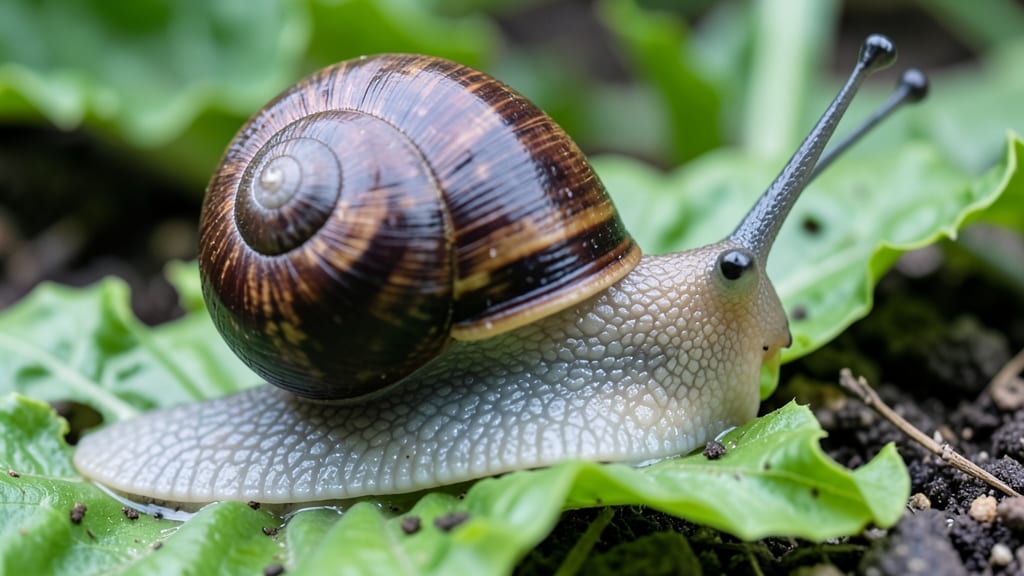
How to get rid of snails organically—those silvery slime trails aren’t just messy; they’re a sign your garden’s under siege. 🐌 A copper barrier isn’t just a trick—it’s a science-based way to send snails packing without chemicals, saving your hostas and lettuce in the process.
The magic happens because copper disrupts their slime production, creating a tiny electric shock that sends them scurrying. No fancy tools needed—just copper tape or wire bent into a low ring around beds.
It’s a one-time setup that works for years, safe for kids, pets, and pollinators. Even better? It looks sleek, not like some old-school garden hack.
Within days, you’ll notice fewer slime trails and more intact leaves. The barrier works best when paired with removing snails by hand at dawn (they’re sluggish then) or placing beer traps near problem areas. The combo stops new arrivals while you clean up existing ones.
This method shines in shady spots where other repellents fail, and it’s 90% effective when installed correctly. The only downside? Copper can corrode over time, so check it yearly. For heavy infestations, add crushed eggshells around plants—they’re like tiny razors to snails.
📚 In This Guide
- What you need
- Instructions
- Tips and common mistakes
- Wrapping up and next steps
What you need
- ● Copper tape or sheeting: At least 1–2 inches wide and 10+ feet long (adjust based on garden perimeter). Choose uncoated, pure copper (99.9% or higher) for best results.
- ● Measuring tape: To mark and cut copper to fit your garden edges, flower beds, or raised planters.
- ● Scissors or tin snips: For clean, precise cuts—avoid power tools to prevent overheating the copper.
- ○ Sticky tape (optional but helpful): To secure the copper temporarily while testing placement.
- ● Gloves: Nitrile or rubber to protect your hands from copper edges and slime.
- ● Copper wire or mesh: For filling gaps in fences or walls where snails might squeeze through.
- ● Non-toxic copper spray: A diluted copper sulfate solution (follow label instructions) to boost repellent power in stubborn areas.
- ● Garden stakes or pins: To anchor the copper firmly along uneven terrain.
- ● Old newspapers or cardboard: For a dual defense—place a barrier under copper to deter burrowing.
Tips & tricks for creating an effective copper barrier against snails
Between us, the devil's in the details when it comes to snail barriers. Here's what nobody tells you about making this method truly foolproof.
Precision in Spacing: The 6-inch spacing in Step 1 might seem arbitrary, but it's based on how far snails can jump. I've found that if you space stakes more than 7 inches apart, you risk creating gaps where determined snails can bridge. For slopes, extend that 12-inch upward measurement—snails are surprisingly good climbers when motivated. I once missed this on a raised bed and woke up to a trail of slime leading right over the top!
Copper Installation Secrets: When securing copper tape in Step 2, use galvanized staples—they're rust-resistant and hold better than regular ones. The shiny side facing outward is non-negotiable, but here's the trick: if you're using sheets, fold the edges slightly upward at the corners to create a tiny lip. This prevents snails from getting purchase points to climb. I learned this after watching them try to scale my first attempt!
Moisture Barrier Pro Tip: That 1-inch dry strip in Step 3 needs to be completely dry—no exceptions. I've seen people use damp sand thinking it would settle better, but snails can actually move through lightly moist soil. After installation, I like to sprinkle a thin layer of diatomaceous earth on top of the sand strip. It adds an extra abrasive barrier they hate. Just remember to reapply after rain.
Maintenance That Works: The 3-4 day inspection schedule in Step 4 is crucial, but here's what I do differently: I mark inspection dates on my garden calendar with a red pen. After heavy rains, I check immediately—water can wash away your dry barrier faster than you think. For the monthly cleaning, I use a soft paintbrush to gently scrub the copper before wiping with a damp cloth. This preserves the surface longer than just wiping.
Pro Tips for Get Rid Of Snails Organically
- Between us, the devil's in the details when it comes to snail barriers. Here's what nobody tells you about making thi...
- Precision in Spacing: The 6-inch spacing in Step 1 might seem arbitrary, but it's based on how far snails can jump. I...
- Copper Installation Secrets: When securing copper tape in Step 2, use galvanized staples—they're rust-resistant and h...
Frequently asked questions
Got questions about keeping snails at bay naturally?
Here are answers to the most common concerns—plus a few pro tips to make your copper barrier (or other organic methods) even more effective.
How long does a copper barrier last before needing replacement?
A well-installed copper barrier can last years (3–5+ seasons) if kept clean and free of plant debris. Over time, copper oxidizes, which actually enhances its effectiveness—but if it looks dull or pitted, sand it gently with fine-grit sandpaper and reapply a thin coat of mineral oil for extra protection.
Will copper harm pets or children if they touch it?
Copper tape or wire is non-toxic when installed properly (no sharp edges or exposed wires). However, pets might chew on it out of curiosity—secure it with stakes or hidden clips. If your kids play near the garden, opt for copper mesh (buried slightly) or pair it with a physical barrier like crushed eggshells for extra safety.
How quickly will snails stop crossing a copper barrier?
Snails are confused by copper’s electrical charge within 24–48 hours of installation. For best results, place it before you spot snails (they’ll avoid it instinctively). If they’re already feasting, combine the barrier with beer traps or diatomaceous earth for faster results.
Is a copper barrier cheaper than other organic snail repellents?
Upfront, copper tape (~$10–$20 for a small garden) costs more than beer traps or crushed eggshells—but it’s reusable and lasts seasons. Compare it to one-time solutions like:
- Beer traps: $5–$10 per refill
- Diatomaceous earth: $10–$15 per bag (needs reapplication)
- Hand-picking: Free but time-consuming!
What if snails keep climbing over the copper?
If snails still bypass your barrier, they’re likely using:
- Plants as "bridges" (trim vines touching the ground).
- Gaps in installation (ensure edges overlap by 2–3 inches).
- Alternative paths (check for mulch piles or wood chips near the barrier).
Pro Tip:
For extra snail confusion, pair copper with prickly plants like thyme or lavender—snails avoid both the texture and the scent! Plant these in a ring around your garden for a double defense.
Wrapping up and next steps
Getting rid of snails organically doesn’t have to be a struggle—especially with a simple, effective copper barrier! By harnessing the natural sensitivity of their slime trails, you’ve got a low-cost, chemical-free solution that keeps your garden safe and snail-free. 🌱
Ready to take action? Start by gathering your supplies, setting up your copper tape or wire, and monitoring the results. With a little patience and consistency, you’ll soon enjoy a snail-free space without harmful pesticides. Your garden (and future harvests) will thank you!