
How To
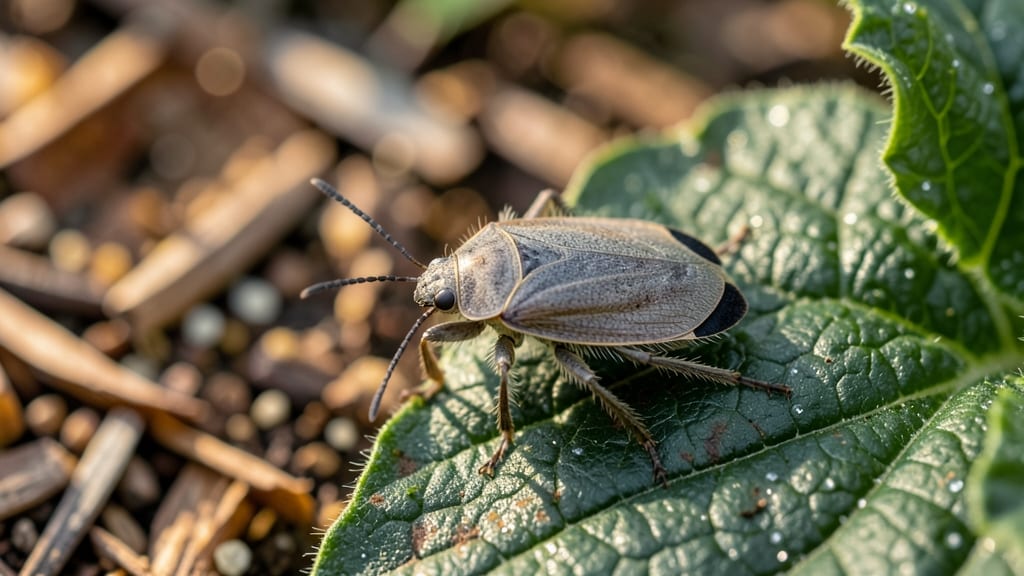
How to get rid of squash bugs organically—without the panic or the chemicals. 🌿 I’ve battled them for years—until I discovered a neem oil spray that smothers both adults and eggs without harming my plants or the bees. The key is timing, technique, and a little elbow grease.
Most gardeners panic when they spot these shield-shaped pests, but the solution is simple: neem oil disrupts their life cycle while companion plants like radishes and nasturtiums act as natural repellents.
Hand-picking works too—just drop them in soapy water. The secret? Start early, before eggs hatch, and repeat treatments every 5-7 days.
Within a week, you’ll see fewer adults and no new eggs clinging to leaf undersides. Your squash, zucchini, and pumpkins will rebound with vibrant green leaves and plump fruit. The best part? This method keeps working season after season, so you won’t need harsh chemicals again.
Works in vegetable gardens, raised beds, and containers—just avoid spraying when bees are active. Here’s how to make the spray and time your treatments for maximum impact.
The Hidden Triggers Behind Squash Bugs
Squash bugs aren’t just random pests—they thrive because of specific conditions in your garden. Understanding these causes is the first step to stopping their spread.
Below, we break down the science behind why these destructive insects show up in your squash patch, and what you can do to disrupt their life cycle.
Squash bugs (Anasa tristis) are drawn to dense, thriving squash, pumpkin, and cucumber plants—especially when they’re packed closely together. Here’s why:
- Lack of airflow creates a cozy, humid microclimate that squash bugs love. 🌡️
- Thick foliage provides perfect hiding spots for adults and egg-laying sites.
- Weakened plants (from overcrowding or poor nutrition) are easier targets for feeding.
Actionable fix: Space plants 3–4 feet apart and prune lower leaves to improve airflow. If you’re growing in rows, leave at least 2 feet of bare soil between plants to deter hitchhiking adults.
Squash bugs don’t just appear—they strategically lay eggs in clusters along stems and undersides of leaves. Their flat, oval eggs (pale green to brown) blend into plant tissue, making them nearly invisible until it’s too late.
- Eggs hatch in 7–10 days under warm conditions (70°F+), releasing nymphs that start feeding immediately.
- Adults overwinter in garden debris, mulch, or nearby weeds, emerging in early spring to lay new eggs.
Actionable fix: Inspect plants weekly (especially stems and leaf undersides) and scrape off eggs with a fingernail or soft brush. Drop them into soapy water to kill them instantly.
Squash bugs don’t just target your squash—they use weeds and garden debris as shelters and breeding grounds. Common culprits include:
| Shelter Source | Why It Attracts Squash Bugs | How to Remove It |
|---|---|---|
| Dead vines/leaves | Provides moisture and protection for eggs/nymphs | Rake up debris and compost far from plants |
| Grass clumps | Offers hiding spots for adults | Mow or pull weeds before planting squash |
| Wood chips/mulch | Retains humidity, mimicking their natural habitat | Use straw or shredded leaves instead |
| Nearby weeds (e.g., pigweed, lambsquarters) | Acts as a "buffer crop" where bugs feed before attacking squash | Pull weeds within 10 feet of squash plants |
Actionable fix: Clear all plant debris from your garden in fall and spring. Avoid mulching too close to stems—keep mulch 2–3 inches away to discourage egg-laying.
Squash bugs love heat and moisture—ideal conditions for their rapid reproduction. Here’s how climate plays a role:
- Temperature: Eggs hatch fastest at 70–85°F.
Cooler springs delay outbreaks, but once warm, they multiply exponentially. - Humidity: High moisture (from watering or rain) keeps eggs and nymphs hydrated and protected. - Rain delays predators: Natural enemies like ground beetles and parasitic wasps are less active after heavy rain, giving squash bugs an advantage.
Actionable fix:
- Water in the morning to reduce humidity on leaves.
- Use drip irrigation (instead of overhead watering) to keep foliage dry.
- Plant squash in slightly elevated beds to improve drainage and airflow.
In a balanced ecosystem, squash bugs face dozens of natural predators, including:
- Ground beetles (devour eggs and nymphs)
- Spined soldier bugs (parasitize eggs)
- Birds (eat adults and nymphs)
- Fungal pathogens (e.g., Beauveria bassiana, a natural nemesis)
But when you: ❌ Overuse pesticides (even organic ones), you kill beneficial insects too. ❌ Plant monocultures (all squash in one spot), you remove habitat diversity. ❌ Till the soil aggressively, you destroy beetle and wasp habitats.
Actionable fix:
- Plant companion flowers like marigolds, dill, or alyssum to attract predator insects.
- Avoid broad-spectrum sprays—opt for targeted neem oil or kaolin clay instead.
- Leave some garden "wild" (e.g., a patch of clover or weeds) to support predator populations.
Organic Fixes for Squash Bugs
Squash bugs are relentless pests, but with the right organic strategies, you can reclaim your garden without harsh chemicals. Below, we’ll tackle the most common causes of infestations and match them with easy, effective solutions—plus prevention tips to keep these sap-sucking invaders at bay.
If you spot large, shield-shaped bugs on your squash, cucumber, or melon plants, act fast. These adults can devastate foliage in days.
How to Treat It:
- 🔥 Handpick & Squish – Wear gloves and crush adults into soapy water (1 tbsp dish soap per gallon). Check under leaves and along stems—these pests love to hide!
- 🍳 Neem Oil Spray – Mix 2 tbsp neem oil + 1 tsp mild soap in 1 gallon of water. Spray early morning or late evening (avoid direct sun) to smother adults and disrupt their life cycle.
- 👨🍳 Diatomaceous Earth (DE) – Sprinkle food-grade DE around the base of plants. It dehydrates bugs on contact—reapply after rain.
💡 Pro Tip: Place yellow sticky traps near plants to intercept flying adults. Refresh traps weekly.
Squash bug eggs (tiny, shiny, and clustered) hatch in 7–10 days, so early detection is key.
How to Treat It:
- 🔪 Scrape Off Eggs – Use a plastic spoon or soft brush to physically remove clusters. Drop them into soapy water—do not crush on plants (it can spread pheromones attracting more bugs).
- 🌡️ Hot Soap Spray – Mix 1 tsp castile soap + 1 cup boiling water, let cool, then spray egg clusters. The heat helps dissolve the protective coating.
- ✨ Kaolin Clay Barrier – Dust plants with kaolin clay (like Surround WP). It creates a rough surface that eggs can’t grip, plus deters adults from laying.
💡 Pro Tip: Inspect every 2–3 days during squash bug season (May–September). Early removal = fewer adults later!
Squash bugs inject toxins as they feed, causing scorched leaves, stunted growth, and even plant death.
How to Fix It:
- 🥗 Prune Damaged Foliage – Cut off heavily infested leaves (but don’t compost them—bury or burn to prevent reinfestation).
- 💪 Strengthen Plants – Healthy plants recover faster! Water at the base (not leaves) to avoid fungal issues, and fertilize with compost tea for natural resilience.
- 🎯 Beneficial Insects – Introduce ladybugs, lacewings, or minute pirate bugs, which prey on squash bug eggs and nymphs. Buy them online or attract them with dill or fennel in your garden.
💡 Pro Tip: Row covers (fine mesh fabric) can block adults from reaching plants. Install them early in the season for best results.
Stop squash bugs before they start with these long-term strategies:
- 📊 Crop Rotation – Avoid planting squash, cucumbers, or melons in the same spot for 3+ years.
- 🔥 Clean Up Debris – Remove old vines and leaf litter fall and winter—eggs overwinter in garden trash!
- 🌿 Plant Repellents – Interplant with nasturtiums, marigolds, or thyme to mask squash plant scents.
- 🌡️ Solarize Soil – In late summer, cover bare soil with clear plastic for 4–6 weeks to kill overwintering eggs (works best in hot climates).
Final Reminder: Consistency is key! Check plants weekly, combine 2–3 methods for best results, and stay patient—organic control takes time but keeps your garden chemical-free and thriving. 🌱💚
Frequently asked questions
How do I know if I have squash bugs or just aphids?
Squash bugs are large (1/2-inch), shield-shaped with grayish-brown bodies, while aphids are tiny, soft-bodied, and clustered. Check leaf undersides—squash bug eggs are flat, oval, and clustered along stems, while aphids leave sticky residue (honeydew).
Will neem oil harm my plants if I spray it too often?
Neem oil is safe when used correctly, but apply it every 5–7 days max during active infestations. Avoid spraying when flowers are open (it can harm pollinators). Always mix with 1 tsp mild soap to help it stick to leaves.
Can I use diatomaceous earth in my vegetable garden?
Yes, but only food-grade DE—sprinkle lightly around plant bases (not directly on leaves) to avoid harming beneficial insects. Reapply after rain, and avoid using it if humidity is below 30% (it needs moisture to work).
What’s the best time of day to handpick squash bugs?
Early morning is ideal—the bugs are sluggish and easier to spot. Drop them into soapy water immediately to prevent escape. Avoid picking in direct sunlight (they’ll hide better).
How do I prevent squash bugs next year?
Start with crop rotation (avoid planting squash family crops in the same spot for 3+ years). Use row covers early in the season and plant repellent companions like nasturtiums or radishes nearby. Clean up all plant debris in fall!