
Pests
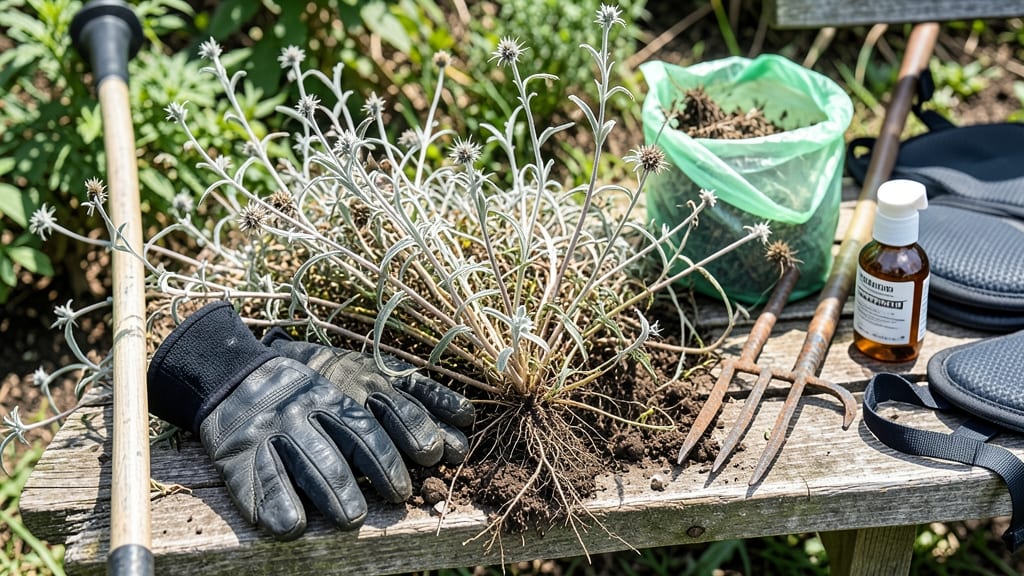
How to get rid of sticker burrs in your yard—those spiky invaders that turn your lawn into a prickly nightmare. ✨ I’ve wrestled with these spiky invaders for years, and I’ve finally cracked the code—no more digging them out one by one or watching them multiply like weeds after a rainstorm. The secret isn’t brute force—it’s a mix of scraping (to lift them from the soil), soaking (to weaken their grip), and scrubbing (for stubborn patches). You’ll need a sturdy garden fork, a bucket of soapy water, and some elbow grease, but trust me, this method works. Within a weekend, you can go from stepping on burrs to walking on soft, burr-free grass. What you’ll end up with is a yard where kids can play barefoot again, pets won’t get stuck, and you won’t dread mowing. The best part? This approach works on both small patches and entire lawns without harming your grass or the soil. Fair warning: it’s messy work, but the payoff is worth it. Let’s get those spiky pests out for good.
The Root Causes of Stubborn Burrs
Sticker burrs—those tiny, spiky nuisances—don’t just appear out of nowhere. They’re the result of a mix of environmental factors, plant biology, and even human activity. Understanding why they cling to your yard (and your shoes, pets, and clothes) is the first step to banishing them for good.
Let’s break down the science behind these pesky invaders.
Burrs are nature’s way of ensuring their survival. Many plants, like Xanthium strumarium (common cocklebur) or Arctium (burdock), evolve with barbed or hooked seeds designed to hitchhike on animals, clothing, or even lawn equipment.
These seeds latch onto fur, fabric, or grass blades with microscopic hooks or spiny textures, making them nearly impossible to dislodge without deliberate effort.
Once attached, the burrs wait for the perfect moment to drop their seeds into fertile soil—often right in your yard. If your lawn has bare patches, disturbed soil, or compacted areas, burrs see it as an open invitation to take root.
Even a single plant can produce thousands of seeds per season, turning a small infestation into a full-blown burr battlefield.
Burrs thrive in specific environmental conditions, and your yard might be accidentally creating the perfect storm for them. Here’s how:
- Moisture Fluctuations: Burr seeds germinate best in intermittently wet soil—think heavy rain followed by dry spells. This mimics their natural habitat, where seeds lie dormant until conditions are just right. If your sprinkler system or irrigation habits create inconsistent moisture levels, you’re essentially signaling burrs: “Welcome! Plant here!”
- Compacted or Disturbed Soil: Areas with foot traffic, pet paths, or construction activity often have loosened soil, which burr seeds love. They burrow into the top layer where sunlight and nutrients are abundant. Even mowing over the same spots repeatedly can aerate the soil just enough to encourage germination.
- Poor Drainage: Low-lying or poorly drained areas can become breeding grounds for burrs. Standing water or soggy soil may deter some plants, but burrs adapt by developing deep root systems to survive temporary flooding. Once established, they outcompete grasses and other plants for space.
Pro Tip: 🌡️ If your yard has clay-heavy soil or slopes where water pools, consider amending the soil with compost or sand to improve drainage—this makes it harder for burrs to take hold.
You might not realize it, but everyday actions can unintentionally spread burrs across your yard. Here’s how:
| Activity | How It Spreads Burrs |
|---|---|
| Mowing | Lawnmowers with dull blades can tear burrs from plants and scatter seeds across the yard. Even worse? The vibration can shake loose seeds from mature burrs still attached to plants. |
| Raking or Weeding | Tools disturb soil and dislodge seeds, while also spreading mature burrs to new areas. A single rakeful of burr-infested debris can contaminate a fresh garden bed. |
| Pet Playtime | Dogs and cats roll in grass, track burrs into the house, and—most critically—carry them to new parts of the yard via their paws. A single burr clinging to fur can drop seeds in a completely different section of your lawn. |
| Foot Traffic | Walking on infested areas crushes burrs, releasing seeds. Kids’ sneakers, gardening boots, and even bare feet can transport seeds to patios, driveways, or neighboring yards. |
| Composting | While composting is great for soil health, tossing burr-infested plant clippings into a pile can accelerate their spread. Seeds survive decomposition and emerge once the compost is spread. |
Pro Tip: ✨ Before tackling burrs, contain the problem. Lay down a tarp or plastic sheet in infested areas, then rake or blow the debris into a sealed bag—this prevents seeds from scattering mid-cleanup.
Burrs are opportunistic weeds—they exploit weak spots in your lawn’s defenses. Here’s how neglect plays a role:
- Thin or Patchy Grass: Healthy, dense grass outcompetes burrs for sunlight and nutrients. But if your lawn has bare spots (from drought, disease, or poor seeding), burrs rush in to fill the gap. Even a 10% reduction in grass coverage can double your burr population.
- Overwatering or Underwatering: Both extremes stress grass, leaving openings for burrs. Overwatering creates soggy conditions that rot grass roots, while underwatering leaves soil too dry for grass to thrive—but just moist enough for burr seeds to germinate.
- Lack of Maintenance: Burrs love disorganized yards. Tall grass, unraked leaves, and unmulched garden beds provide shelter for burr plants to mature and release seeds. A well-maintained lawn forces burrs to compete for survival.
Pro Tip: 💡 Preventative mowing is key: Keep grass at 3–4 inches tall to block sunlight from burr seeds. Tall grass may look “wild,” but it also creates the perfect hiding spot for burrs to thrive.
Quick fixes for stubborn sticker burrs
Sticker burrs may seem like a small nuisance, but they can quickly turn your yard into a prickly problem if left unchecked. The good news? You don’t need a degree in horticulture to tackle them.
Below are practical, step-by-step solutions tailored to the most common causes of sticker burr buildup—plus prevention tips to keep your lawn smooth and frustration-free.
If sticker burrs are clinging to surfaces like mulch, fences, or lawn tools, physical removal is often the fastest fix.
👨🍳 Scrape Off Surface Burrs
- Tools needed: Plastic scraper, putty knife, or a stiff-bristle brush
- How to do it:
- Start by dampening the area slightly (this loosens the burrs without damaging surfaces).
- Use a plastic scraper (to avoid scratching wood or metal) to gently pry off clusters.
- For stubborn spots, a putty knife works well—angle it and scrape in one smooth motion.
- Finish with a stiff brush to sweep away debris.
🔪 Cut or Snip Stubborn Clusters
- Tools needed: Sharp pruning shears, hedge clippers, or a utility knife
- How to do it:
- For large patches on fences or decks, use pruning shears to snip the burrs at the base.
- If burrs are tangled in lawn equipment (like mower blades or rakes), turn off the tool first, then carefully cut or pull them away.
- Safety tip: Wear gloves—some burrs have sharp edges that can irritate skin.
⏰ Best Time to Scrape
- Early morning or late afternoon (when burrs are slightly damp but not soggy).
- After rain (natural moisture makes them easier to remove).
If burrs are deeply embedded in mulch, soil, or fabric (like outdoor furniture), soaking can weaken their grip.
💡 Vinegar or Soapy Water Soak
- What you’ll need: White vinegar, dish soap, spray bottle, and a bucket
- How to do it:
- Mix 1 part white vinegar + 1 part water (or 1 gallon warm water + 2 tbsp dish soap).
- Spray or pour the solution directly onto burr-infested areas (mulch, potted plants, or fabric).
- Let it soak for 10–15 minutes—the acidity breaks down the burrs’ adhesive.
- Scrub gently with a brush or sponge, then rinse.
🌡️ Hot Water Treatment (For Fabric & Tools)
- What you’ll need: A bucket of boiling water, gloves, and a scrub brush
- How to do it:
- Submerge bur-covered tools, gardening gloves, or fabric items in hot water for 5–10 minutes.
- Stir occasionally to ensure even contact.
- Scrub off loosened burrs with a brush, then rinse and dry.
When sticker burrs invade your mulch beds or grass, you’ll need a more targeted approach.
🍂 Rake and Refresh Mulch
- Tools needed: Garden rake, wheelbarrow, fresh mulch
- How to do it:
- Remove old mulch (burrs often hide beneath it) and sift through to pick out debris.
- Rake the soil to aerate, then reapply a fresh 2–3 inch layer of mulch (cypress or pine bark mulch resists burrs better).
- Pro tip: Sprinkle diatomaceous earth (food-grade) over the mulch to deter burr seeds from sprouting.
🌱 Vinegar Spray for Grass & Soil
- What you’ll need: 1 gallon water, 1 cup white vinegar, sprayer
- How to do it:
- Mix vinegar and water in a sprayer.
- Lightly mist areas where burrs are sprouting (avoid oversaturating grass).
- Reapply every few days until new growth stops.
- Note: Vinegar is not harmful to grass in small doses but may kill weeds—spot-treat carefully.
An ounce of prevention saves hours of scrubbing. Here’s how to stop sticker burrs before they start:
🌿 Choose Burr-Resistant Mulch
- Best options: Cypress, pine bark, or rubber mulch (less likely to trap burrs).
- Avoid: Shredded leaves or straw (they hold moisture, encouraging burr growth).
🚜 Regular Yard Maintenance
- Mow high (3–4 inches) to discourage burr seeds from taking root.
- Rake up debris weekly to remove fallen burrs before they spread.
- Edge garden beds to prevent burrs from creeping into lawns.
🧴 Protect Your Tools & Clothes
- Store tools in a dry place (burrs thrive in damp conditions).
- Shake out gloves, hats, and pet bedding after outdoor use.
- Use a burr brush (like those used for pets) to check for hitchhikers before bringing items inside.
If sticker burrs are a recurring issue, try these low-effort deterrents:
- Coffee grounds (sprinkle around garden edges—they deter seeds).
- Citrus peels (place in mulch—the scent repels burrs).
- Neem oil spray (natural fungicide that also disrupts burr growth).
Final Thought: Sticker burrs don’t stand a chance against consistent scraping, strategic soaking, and smart prevention. Pick the method that fits your yard’s needs, and enjoy a smooth, burr-free lawn in no time! 🌿✨
Frequently asked questions
Why do sticker burrs keep coming back even after I remove them?
Sticker burrs produce thousands of seeds per plant, and even a few missed seeds can regrow. The seeds also cling to shoes, pets, and tools, spreading them to new areas. Focus on removing all visible burrs and preventing new seeds from taking root by maintaining dense grass and using burr-resistant mulch.
Can I use vinegar to kill sticker burrs in my lawn without harming grass?
Yes, but use it carefully! A 1:1 vinegar and water mix sprayed directly on burrs won’t harm grass if applied lightly and infrequently. The acidity weakens the burrs, making them easier to pull. Avoid oversaturating the lawn to prevent grass damage—test a small area first.
How do I remove sticker burrs from my dog’s fur safely?
Use a fine-tooth comb or burr brush designed for pets to gently work through their fur. For stubborn burrs, dampen a washcloth with warm water, wrap it around your hand, and rub it over the burrs—they’ll loosen and pop off. Never pull hard, as this can hurt your pet’s skin.
Will burning sticker burrs help eliminate them?
Burning can work for small, contained patches (like mulch or dry debris), but it’s risky for large areas. Always check local burn regulations first. For safety, focus on physical removal (raking/scraping) or vinegar soaks instead—these methods are more effective and eco-friendly.
How long does it take to see results after treating sticker burrs?
Visible results appear within 24–48 hours for surface burrs (like on fences or tools) after scraping or soaking. For lawn or mulch infestations, it may take 1–2 weeks of consistent removal and prevention (like vinegar sprays or fresh mulch) to fully eliminate them.