
Pests
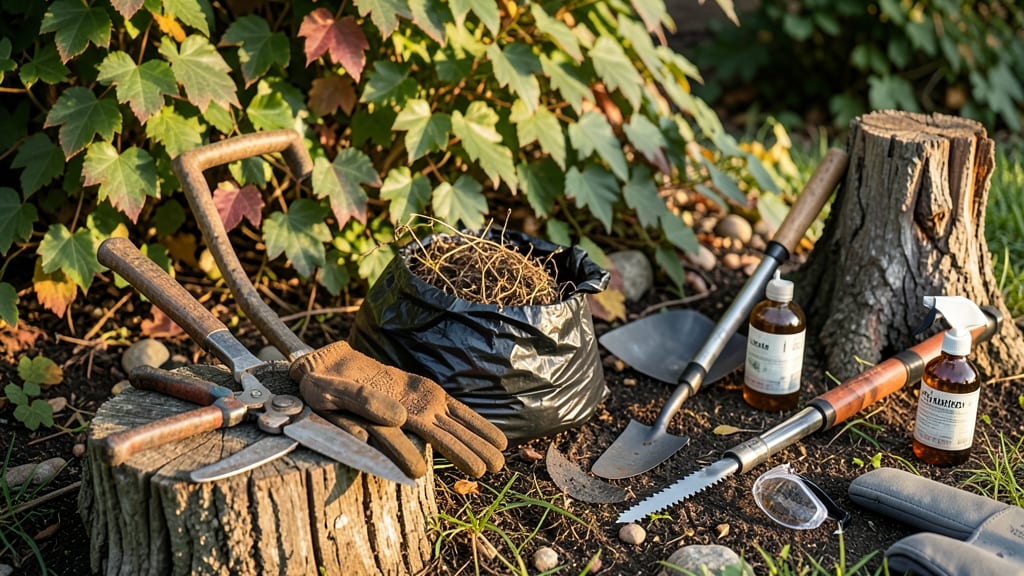
How to get rid of the vine—Virginia creeper strangles fences and chokes gardens faster than you can say "spring cleanup." 🌿 The good news? You can smother those roots for good without chemicals—if you know the right moves. I’ve wrestled this vine out of my own yard, and I’ll share the fastest method that actually works, not just slows it down.
First, you’ll need pruners, gloves, a tarp, and rocks—that’s it. The secret weapon is cutting the vines at the base, then covering the roots with thick plastic to starve them.
No digging, no harsh sprays, just patience and elbow grease. Most people quit too soon because they don’t follow through on the smothering step.
Within 3-6 months, you’ll see the vine wither away as the roots run out of air and nutrients. The best part? This method works even on stubborn patches where other tricks failed. Just don’t skip the tarp—it’s the difference between temporary relief and permanent victory.
If you’re worried about bare spots afterward, I’ll show you 3 tough ground covers that outcompete Virginia creeper naturally. No more wrestling with vines—just a clean, low-maintenance yard. Let’s get started.
📚 In This Guide
- What you need
- Instructions
- Tips and common mistakes
- Wrapping up and next steps
What you need
- ● Heavy-duty plastic sheeting (6–10 mil thickness, enough to cover the entire infested area + 2–3 feet extra on all sides). Pro tip: Black or dark-colored sheets work best to absorb heat!
- ● Sturdy landscape fabric (10–15 lb test weight, to block light and smother regrowth).
- ● Metal or plastic stakes (6–12 inches long, 1–2 per square yard of coverage).
- ● Heavy rocks, bricks, or mulch (enough to weigh down the edges of the plastic sheeting—aim for 1–2 lbs per square foot).
- ● Pruning shears or loppers (for cutting back thick vines before smothering).
- ● Gloves (thick, work-appropriate gloves to protect your hands from thorns and sap).
- ● Shovel or spade (for digging up stubborn roots if needed).
- ● Measuring tape (to ensure full coverage of the vine’s spread).
- ● Edging material (like metal flashing or landscape edging) to secure the plastic sheeting’s edges and prevent shifting.
- ● Garden hose with a spray nozzle (to wet down the area before laying plastic, helping it stick better).
- ● Mulch or wood chips (to cover the landscape fabric after smothering for a cleaner look).
- ● Vinegar or herbicide (non-toxic option) (for spot-treating stubborn roots—only if chemicals are your last resort).
- ● Safety goggles (if you’re dealing with thorny vines or using power tools).
Step-by-Step instructions for eliminating Virginia creeper vine
Here's the method I rely on to smother Virginia creeper roots quickly without harsh chemicals.
🪴 Step 1: Identify and Prepare the Target Area
Start by mapping out the entire vine system—Virginia creeper sends out extensive root runners that can stretch up to 10 feet from the main plant. Mark the perimeter with stakes or spray paint to avoid missing any sections. This invasive vine thrives in disturbed soil, so the more you can contain the work area, the better your results.
Remove any large woody stems by cutting them at the base with pruning shears or a handsaw, then pulling gently to expose the root system. You'll notice the roots are thick and fibrous—this is what makes them so persistent. Clear away surface debris like leaves and mulch within a 3-foot radius of the main stems to create an open work zone.
✂️ Step 2: Apply Physical Barriers to Prevent Regrowth
Lay down cardboard or thick black plastic sheeting over the entire root zone, extending at least 2 feet beyond the visible vine spread. Secure the edges with landscape staples or heavy rocks to prevent wind from lifting it. The goal is to block sunlight completely—Virginia creeper cannot survive without light for extended periods. For stubborn sections, double up the layers.
I find that overlapping sheets by 6 inches eliminates gaps where new shoots might emerge. If you're working in a garden bed, create a 12-inch high border with soil or bricks to keep the plastic in place. This ensures the roots stay buried and deprived of light for the full 3-4 months needed for complete eradication.
💧 Step 3: Smother Roots with Organic Mulch
Once the plastic is securely in place, cover it with 4-6 inches of wood chips or straw mulch—this adds weight to keep the barrier down while blocking any remaining light. The mulch layer also helps suppress weed competition that could otherwise provide nutrients to the dying vine. Water the mulch thoroughly after application to help it settle and create a dense, light-blocking mat.
Check the mulch every 2 weeks during dry periods to maintain its depth. If you notice any green shoots poking through, simply add another 2-inch layer of mulch. The key is persistence—Virginia creeper roots can remain dormant for months, but consistent suffocation will eventually kill them off completely.
☀️ Step 4: Monitor and Maintain for Full Eradication
After 8-12 weeks, carefully lift a corner of the plastic to inspect the area. You should see no new growth, and existing stems will appear brown and brittle. If you spot any remaining green shoots, trim them immediately and add fresh mulch. This vine is resilient, so don't be discouraged if it takes up to 4 months for full results.
Once the area is completely clear, remove all plant debris and dispose of it in sealed bags—never compost Virginia creeper, as even small fragments can regrow. Replace the soil with fresh topsoil and plant competitive ground covers like creeping thyme or clover to prevent future invasion. The faster you fill the space, the less chance the vine has to return.
Tips & tricks for perfect Virginia creeper removal
Real talk: Virginia creeper removal is a marathon, not a sprint. These tricks will help you work smarter, not harder, to eliminate this invasive vine for good.
Timing Secret: The 1-2 inch cut above ground level in Step 1 is critical—it removes the vine's energy reserves while leaving enough stem to prevent regrowth from broken pieces. I've seen people pull vines and end up with more work when the broken stems root. Use sharp pruners and make clean cuts at that exact height for best results.
Layered Fabric Strategy: Those 3-4 layers of landscape fabric in Step 2 create an effective light barrier, but proper installation matters. I recommend overlapping the edges by at least 6 inches to prevent sunlight from creeping through gaps. For extra security, especially in windy areas, use bricks or pavers along the perimeter to weigh down the fabric completely.
Monitoring Made Easy: During the 6-month smothering period, set a reminder to check for new shoots every 4-6 weeks. I keep a small notebook by my garden tools to mark dates and growth patterns—this helps me track progress and determine if I need the optional 3-6 month extension. A quick visual inspection with a flashlight after sunset can reveal hidden shoots that might otherwise go unnoticed.
Barrier Installation: When installing that 6-inch deep hardware cloth barrier in Step 4, I've found that bending the edges upward at a 45-degree angle creates a physical barrier that's harder for roots to penetrate. This small modification has prevented multiple regrowth attempts in my own yard. For existing barriers, check annually for gaps or rust that might compromise effectiveness.
Pro Tips for Get Rid Of Virginia Creeper Vine
- Real talk: Virginia creeper removal is a marathon, not a sprint.
- Timing Secret: The 1-2 inch cut above ground level in Step 1 is critical—it removes the vine's energy reserves while leaving enough stem to prevent regrowth from broken pieces.
- Layered Fabric Strategy: Those 3-4 layers of landscape fabric in Step 2 create an effective light barrier, but proper installation matters.
Frequently asked questions
Can I just pull Virginia creeper by hand?
Pulling by hand is possible for small patches, but roots are the real challenge. Virginia creeper has deep, sprawling roots that regrow quickly. For best results, pull when the soil is moist (after rain) and dig out as much of the root system as possible. Use gloves—those leaves can irritate skin!
How long does it take to completely remove Virginia creeper?
Patience is key! With consistent effort (weekly checks for 3–6 months), you can eliminate it. Smothering with cardboard/mulch speeds up the process by blocking sunlight. If you spot new shoots, repeat removal—they’re just regrowing roots. Think of it as a marathon, not a sprint!
What’s the best natural alternative to smothering?
Try vinegar + dish soap (1 gallon vinegar + 1 tbsp soap) as a targeted spray for leaves/stems. For roots, solarization (covering with clear plastic for 4–6 weeks) bakes them out. Just avoid these near desirable plants—vinegar can harm nearby foliage too!
Will cutting the vines at the base stop regrowth?
Nope! Cutting alone won’t kill the roots—it just encourages thicker regrowth. If you cut, follow up by smothering the area or digging out roots. Think of it like trimming weeds: without root removal, they’ll bounce back stronger (and faster).
Can I reuse the area after removal?
Once the area is clear (no new shoots for 2–3 months), you can replant. Test soil health first—Virginia creeper depletes nutrients. Add compost or mulch to revive the area. Just avoid planting new vines or ground covers that spread aggressively!
Pro Tip:
Mark removed areas with flags or spray paint to track regrowth spots. A shovel + pruners combo works best—dig deep (6+ inches) and cut stubborn roots like you’re chopping firewood. Consistency wins!
Wrapping up and next steps
Getting rid of Virginia creeper vine doesn’t have to be a battle—with the right tools and techniques, you can reclaim your yard without harsh chemicals! Whether you opt for manual removal, smothering, or natural deterrents, consistency is key.
Start small, stay patient, and soon your space will be vine-free and thriving.
Ready to take action? Pick one method from this guide and tackle that creeper today—your garden will thank you! 🌱✨