
Pests
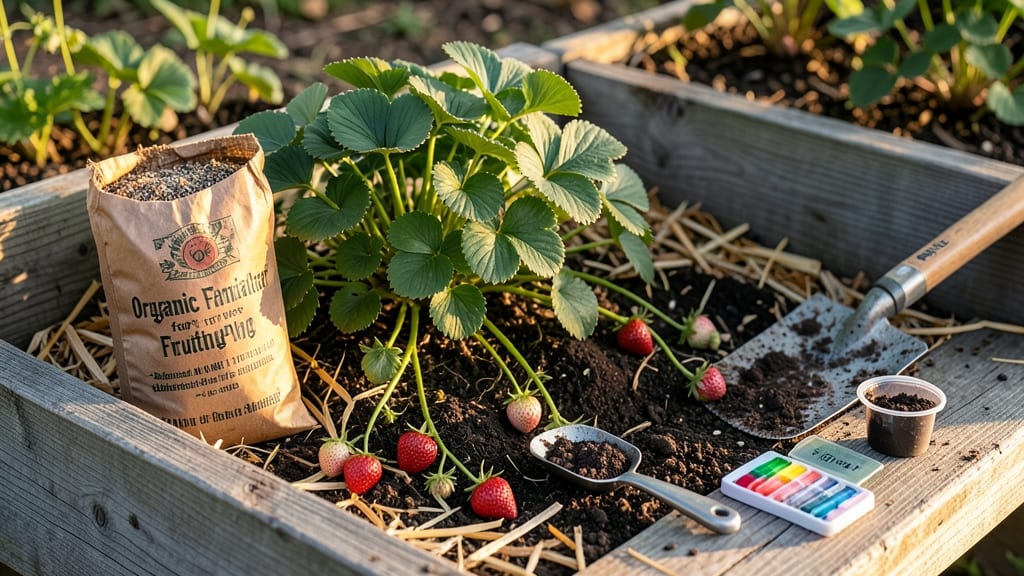
How to get sweeter strawberries straight from your garden is all about sunlight, soil, and a few simple tweaks most gardeners overlook. 🌱 The secret isn’t luck—it’s sunlight, soil, and a few simple tweaks most gardeners overlook. I’ve grown strawberries for years, and the difference between bland and bursting-with-sugar fruit comes down to what you do (and don’t do) in the growing season.
Start with 6+ hours of direct sun daily—no shade means no sweetness. Amend your soil with compost before planting, and avoid nitrogen-heavy fertilizers (they boost leaves, not flavor). Water consistently at the roots, never overhead, to keep those sugars building instead of diluting.
The payoff? Strawberries so sweet they’ll make you question why you ever bought them.
Prune runners ruthlessly in the first year to focus energy on fruit, not sprawling vines. Harvest when fully red but still slightly firm—waiting too long turns sugar to mealiness. And here’s the kicker: less is more with fertilizer. Too much nitrogen = leafy plants, weak flavor. Balance is everything.
This method works for June-bearing, everbearing, and day-neutral varieties alike. Whether you’re growing in beds, containers, or hanging baskets, these tweaks will transform your harvest. Let’s get those strawberries tasting like summer should.
📚 In This Guide
- What you need
- Instructions
- Tips and common mistakes
- Wrapping up and next steps
What you need
- ● Strawberry plants: 10–20 healthy, disease-free runners or bare-root plants (choose varieties like Albion, Seascape, or Chandler for sweetness).
- ● Well-draining soil: 5–10 cubic yards of a mix of 50% topsoil, 30% compost, and 20% perlite/sand (pH 5.5–6.8).
- ● Organic mulch: 2–3 inches of straw, wood chips, or pine needles to retain moisture and suppress weeds.
- ● Balanced fertilizer: 10–15 lbs of 10-10-10 or 5-5-5 organic fertilizer (or compost tea for a natural boost).
- ● Watering system: Drip irrigation or a soaker hose (avoid overhead watering to prevent disease).
- ● Sunlight access: A full-sun location (6+ hours of direct sunlight daily)—partial shade in hot climates helps too!
- ● Garden gloves (to protect hands from thorns and soil).
- ● Pruners or shears (sterilized with rubbing alcohol).
- ● Garden trowel or spade (for planting and soil prep).
- ● pH testing kit (to monitor soil acidity).
- ○ Row covers or netting (optional, for pest protection).
- ● Epsom salt (1 tbsp per plant monthly for magnesium boost).
- ● Composted manure (e.g., cow or chicken manure for extra nutrients).
- ● Beneficial insects (ladybugs or lacewings to deter pests naturally).
- ● Shade cloth (30–50% coverage for hot afternoons).
- ● Harvest basket or clamshells (for easy, gentle picking!).
Step-by-Step instructions for cultivating sweeter strawberries
These techniques will transform tart berries into sun-ripened, jammy-sweet treasures.
☀️ Step 1: Maximize Sunlight Exposure
Strawberries need 6-10 hours of direct sunlight daily to develop their signature sweetness. I position my beds in the southernmost part of the yard where they receive morning sun and afternoon light without afternoon shade from nearby trees. If your garden has limited sun, choose early-season varieties that ripen before summer shade sets in.
Watch for leggy growth—stems stretching toward light with small, pale leaves—this means your plants are starved for sunlight. Move containers to sunnier spots immediately, or prune back shaded branches to redirect energy to fruit production. You'll notice sweeter berries within 2-3 weeks of proper sun exposure.
🌱 Step 2: Amend Soil for Sugar Development
Sweetness builds when strawberries access nutrients like phosphorus and potassium, which thrive in well-draining, slightly acidic soil (pH 5.5-6.5). I test my soil annually and amend with composted manure or aged compost in early spring. Work it into the top 6 inches of soil to create a nutrient-rich zone where roots will spread.
Add a balanced organic fertilizer (10-10-10) at planting and again when flowers appear. Avoid high-nitrogen fertilizers—they boost leafy growth at the expense of sweet fruit. You'll see the difference in flavor when berries develop a deeper red color and thicker texture.
💧 Step 3: Master Watering for Concentrated Sweetness
Consistent moisture is critical—strawberries need 1-1.5 inches of water weekly, delivered at the base of plants to prevent fungal diseases. I water deeply in the morning so foliage dries quickly, reducing humidity around berries. Let the top 1 inch of soil dry between waterings to prevent root rot while maintaining steady growth.
Here's the thing—water stress before harvest actually concentrates sugars. In the 2 weeks before picking, reduce watering slightly (but don't let soil dry completely) to boost sweetness. You'll know it's working when berries develop a glossy sheen and burst with flavor when ripe.
✂️ Step 4: Prune Strategically for Fruit Quality
Remove weak or diseased leaves throughout the season to improve airflow and sunlight penetration. I also trim back any runners that form after flowering—these divert energy from fruit production. Leave only the strongest, healthiest leaves to photosynthesize efficiently.
After harvest, cut back old leaves and trim any remaining runners to 1 inch above the crown. This encourages new, vigorous growth for next year's crop. You'll see stronger plants with larger, sweeter berries the following season when you follow this routine.
🍓 Step 5: Time Harvests for Peak Ripeness
Harvest strawberries when they're fully colored and just beginning to soften—this ensures maximum sweetness. I pick in the morning when sugars are most concentrated. Don't wait until berries are overripe; they'll never taste as sweet once they've begun to ferment on the vine.
For continuous harvests, choose varieties that produce fruit over an extended season. You'll know you've succeeded when your berries develop a deep red color, a slightly glossy surface, and a fragrant aroma—all signs of peak sweetness and flavor.
Tips & tricks for perfect strawberry cultivation
Transforming tart strawberries into sweet, jammy treasures isn't luck—it's science. Here's what nobody tells you about maximizing flavor through sunlight, soil, and timing.
Sunlight Strategy: The 6-10 hours of daily sunlight in Step 1 isn't just about quantity—it's about quality. Position your beds to capture morning sun (when UV intensity is highest) and afternoon light (when temperatures are warmer). I've found that moving containers just 2 feet southward in late summer can add 1-2 critical hours of direct light that makes all the difference in sugar development. Watch for those leggy stems—they're your plants' SOS signal for more light.
Soil Science Secret: That pH 5.5-6.5 range in Step 2 is your sweet spot for nutrient availability. But here's the thing: phosphorus (essential for sweetness) becomes more available as soil warms. In cooler springs, I add a handful of bone meal to the planting hole—it releases phosphorus slowly as temperatures rise. The key is working that composted manure into the top 6 inches where most roots feed, not just sprinkling it on top. You'll notice the difference when berries develop that signature jammy texture.
Water Wisdom: The 1-1.5 inches weekly in Step 3 is your baseline, but timing matters more than quantity. I water at dawn when evaporation is lowest, letting the soil dry slightly between waterings—this prevents fungal diseases while still maintaining moisture. Two weeks before harvest, I cut back to just 1 inch weekly. The slight stress concentrates sugars, and you'll taste the difference when those berries develop that glossy sheen and burst with flavor at your fingertips.
Pruning Precision: When you trim those runners in Step 4, don't just cut them—snip them cleanly at the base with sharp shears. Leaving stubs creates entry points for disease. And that 1-inch trim above the crown after harvest? That's not arbitrary—it's where new growth emerges from the crown's dormant buds. I've seen plants double their next year's yield just by following this precise pruning technique.
Pro Tips for Get Sweeter Strawberries
- Transforming tart strawberries into sweet, jammy treasures isn't luck—it's science.
- Sunlight Strategy: The 6-10 hours of daily sunlight in Step 1 isn't just about quantity—it's about quality.
- Soil Science Secret: That pH 5.5-6.5 range in Step 2 is your sweet spot for nutrient availability.
Frequently asked questions
Got questions about growing the juiciest, sweetest strawberries? You’re not alone! Here are answers to the most common queries—from timing tricks to troubleshooting—so you can enjoy that perfect, sun-kissed flavor every time.
How long does it take for strawberries to get sweeter after planting?
Patience is key! Strawberries planted in spring typically produce their first fruit in about 60–90 days, but flavor peaks in the second or third year when plants mature. For immediate sweetness, opt for everbearing or day-neutral varieties, which yield fruit sooner and often taste sweeter earlier in the season.
Why are my strawberries sour instead of sweet?
Sour strawberries usually mean underripe fruit or poor soil conditions. Check these fixes:
- Harvest at peak ripeness—pick when fully red and slightly soft to the touch.
- Boost soil nutrients with compost or a balanced fertilizer (high in potassium).
- Avoid overwatering—soggy soil dilutes flavor.
Can I speed up strawberry ripening to get sweeter fruit faster?
While you can’t instantly sweeten strawberries, these tricks help:
- Use black plastic mulch—it warms the soil and speeds up ripening by 1–2 weeks.
- Hand-pollinate with a paintbrush if bees are scarce (especially in early spring).
- Pick green strawberries and store them in a paper bag with a banana to ethylene-gas ripen them indoors (they’ll sweeten faster).
What’s the best way to store strawberries to keep them sweet?
Strawberries lose sweetness fast when bruised or stored poorly. Follow these tips:
- Never wash until ready to eat—moisture speeds up mold.
- Store unwashed in a paper towel-lined container in the fridge (not the crisper drawer).
- Freeze for long-term storage: Hull, slice, toss with sugar (1 tbsp per cup), and freeze on a tray before bagging.
Do pests or diseases affect strawberry sweetness?
Pests like slugs, aphids, or spider mites and diseases (e.g., gray mold) drain plant energy, leading to smaller, less flavorful berries. Prevent issues with:
- Neem oil or soapy water sprays for pests.
- Proper spacing (12–18 inches apart) to improve airflow and reduce fungal diseases.
- Removing old leaves in fall to prevent overwintering pests.
Wrapping up and next steps
Growing sweeter strawberries is all about patience, the right conditions, and a little extra care—but trust us, it’s worth it! 🍓 By focusing on sunlight, soil health, and proper watering, you’ll transform those tart berries into bursts of natural sweetness.
Start small, experiment with these tips, and soon you’ll be harvesting flavor-packed strawberries that taste like summer in every bite.
Ready to take the next step? Plant your first batch today and watch your garden—and your taste buds—thank you! For even more tips, check out our strawberry care guide or share your progress with fellow gardeners. Happy growing! 🌱