
Pests
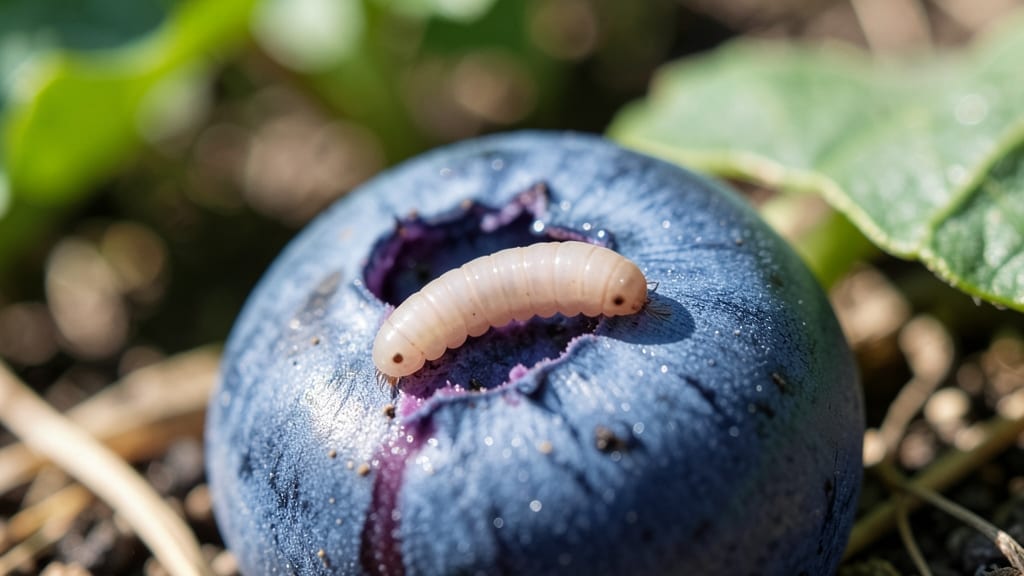
How to get worms out of blueberries—before they turn your harvest into a chewed mess. 🌿 I’ve spent years battling these sneaky pests, and these three methods—freezing, soaking, and rinsing—will save your berries every time. The key is acting fast before the worms burrow deeper or lay eggs.
Most infestations come from fruitworms or borers, which hide inside the berries or stems. A quick freeze (1-2 hours) kills larvae, while a saltwater soak (10 minutes) drowns them out. Rinse thoroughly afterward to remove any residue. The goal? Clean berries without harming your plants.
You’ll end up with spotless, worm-free berries ready for jam, snacks, or fresh eating. The best part? These methods work on other soft fruits too—strawberries, raspberries, and even peaches. Prevention starts with inspecting bushes regularly and removing damaged fruit immediately.
For heavy infestations, consider organic sprays like neem oil during the growing season. The worms won’t stand a chance—and neither will your frustration. Let’s get those berries back to perfect!
Root Causes Of Worms In Blueberries
Blueberries may seem like nature’s perfect snack—sweet, juicy, and packed with antioxidants—but worms can turn them into an unwelcome surprise. Understanding why these tiny invaders show up in your berries is the first step to keeping your harvest clean.
Here’s a breakdown of the most common culprits and their science-backed explanations.
Blueberries are a magnet for specific pests that thrive in their moist, acidic environment. The most common culprits include:
- **🐛 Blueberry Maggot (Rhagoletis mendax) - How it works: Female maggots lay eggs on ripe or nearly ripe blueberries. Once hatched, the larvae burrow into the fruit, feeding from the inside and leaving behind a trail of frass (insect waste) and damage.
These maggots are highly specific to blueberries and can devastate entire bushes if left unchecked. - Why it’s a problem: They’re attracted to the sugars in ripe berries, making them most active during peak harvest seasons (July–September in most regions).
- 🐛 Sawfly Larvae (Family Tenthredinidae) - How it works: These green, worm-like larvae chew through blueberry leaves and fruit, creating small holes or tunnels.
Unlike maggots, they don’t burrow deep but can still ruin the appearance and taste of your berries. - Why it’s a problem: Sawfly populations explode in warm, humid conditions, making them a common issue in backyard gardens.
- 🐛 Cutworms (Family Noctuidae) - How it works: While primarily known for attacking stems, some cutworm species will also munch on ripe blueberries that have fallen to the ground.
They’re most active at night, making them harder to spot until damage is already done. - Why it’s a problem: They thrive in dense mulch or leaf litter, where they hide during the day and emerge to feed under cover of darkness.
Even if your bushes are pest-free, sloppy harvesting can introduce worms to your blueberries. Here’s how:
- 🍇 Picking Overripe or Damaged Berries - How it works: Worms are drawn to soft, fermenting fruit because it’s easier to penetrate and provides a nutrient-rich meal.
If you leave overripe berries on the bush, they become a buffet for pests. - Why it’s a problem: A single infested berry can contaminate an entire container if not removed promptly. Always harvest frequently and discard any fruit with signs of decay or pest activity.
- 🧹 Neglecting Sanitation After Harvest - How it works: Leaving fallen berries, leaves, or debris on the ground creates hiding spots for worm eggs and larvae.
These pests overwinter in organic matter, ready to reinfest the next season. - Why it’s a problem: A single missed cleanup session can lead to a 30–50% increase in pest populations the following year.
- 🛒 Buying Pre-Infested Blueberries - How it works: Store-bought or wild-harvested blueberries can already contain worm eggs or larvae, especially if they weren’t inspected or handled properly.
Once brought home, these pests can transfer to your own plants or contaminate your fresh harvest. - Why it’s a problem: Commercial farms often treat for pests, but small-scale or organic sources may not—so always inspect your purchases before storing or consuming.
Worms don’t just appear out of nowhere—they’re often the result of ideal growing conditions. Here’s what makes your blueberries a prime target:
- 💧 Excess Moisture in Soil or Fruit - How it works: Blueberries love acidic, well-drained soil, but too much moisture creates the perfect breeding ground for fungal diseases (like mummy berry) and pests.
Wet berries are softer and more susceptible to egg-laying by flies and maggots. - Why it’s a problem: Overhead watering or poor drainage can lead to a 2–3x increase in pest activity, as eggs and larvae survive longer in damp conditions.
- 🌡️ Warm, Humid Climates - How it works: Blueberry maggots and sawflies thrive in temperatures between 75–85°F (24–29°C) with high humidity.
These conditions speed up their life cycle, allowing them to reproduce faster and infest berries more aggressively. - Why it’s a problem: Regions with long, hot summers (like the Southeast U.S.) see more severe infestations unless preventive measures are taken.
- 🌿 Lack of Beneficial Predators - How it works: Birds, parasitic wasps, and ground beetles naturally keep worm populations in check by eating eggs or larvae.
If your garden lacks biodiversity, these pests have free rein. - Why it’s a problem: Monoculture gardens (growing only blueberries) or those treated with broad-spectrum pesticides eliminate natural predators, leading to pest explosions.
Sometimes, worms in blueberries aren’t from the plant itself but from other stages of handling:
- 🚚 Transportation or Storage Contamination - How it works: If blueberries are stored in bins, crates, or bags that previously held infested produce (like apples or stone fruits), worm eggs can hitch a ride.
Even refrigerated storage isn’t foolproof if pests were present before cooling. - Why it’s a problem: Cross-contamination during transport is a major issue for commercial growers but can also affect home gardeners who reuse containers.
- 🐝 Wildlife Activity Near Bushes - How it works: Birds, squirrels, and even raccoons can carry worm eggs on their feathers or paws and deposit them near your blueberry bushes.
Some animals also eat infested berries and excrete viable eggs nearby. - Why it’s a problem: Wildlife is harder to control, but reducing attractants (like bird feeders near bushes) can minimize accidental introductions.
Understanding these causes isn’t just about reacting to worms—it’s about preventing** them in the first place. The next steps (like freezing, soaking, or rinsing) will work best when combined with these science-backed strategies to keep your blueberries worm-free from the start.
Quick Fixes for Worm-Free Blueberries
Now that you know why worms end up in your blueberries, let’s tackle the solutions—fast, effective, and easy to follow. Whether you’re dealing with infested berries from the store, your garden, or a farmer’s market, these methods will help you remove worms without losing flavor or texture.
Below, we’ve mapped the most common causes to the best fixes, plus prevention tips to keep future batches worm-free.
Cause: Worms (like berry fruitworms or maggots) are stunned or killed by cold. How to Do It:
- 🔥 Rinse First: Gently wash berries under cool water to remove loose dirt and debris.
- ❄️ Freeze for 24–48 Hours: Place berries in a sealed container or freezer bag. The extreme cold will immobilize or kill worms.
- 👨🍳 Thaw & Inspect: After freezing, thaw in the fridge and pick out any remaining worms with tweezers or a fine mesh strainer.
- 🥘 Use Immediately: Frozen berries are best for baking, smoothies, or cooking—where worms won’t be visible.
Pro Tip: 💡 For extra safety, freeze berries in small batches if you’re unsure about hidden larvae.
Cause: Surface-level worms or eggs need a thorough rinse. How to Do It:
- 🍳 Fill a Bowl: Use a large bowl or colander with cool water (warm water can encourage worms to move deeper).
- 🌡️ Soak for 10–15 Minutes: Gently swirl berries to dislodge worms. Discard the water (and any floating pests).
- 🔪 Repeat if Needed: For stubborn infestations, soak again with a vinegar-water mix (1:3 ratio) to deter eggs.
- 🎯 Dry Thoroughly: Pat berries dry with a clean towel or paper towels to prevent mold.
Pro Tip: ✨ Add a splash of hydrogen peroxide (3%) to the soak water for an extra antimicrobial boost.
Cause: Tough cases where worms are embedded or eggs are clinging. How to Do It:
- 🔥 Prepare the Solution: Mix 1 cup salt + 4 cups water in a bowl.
- 🥘 Soak for 5 Minutes: Swirl berries gently—salt draws out moisture, making worms less active.
- 🧼 Rinse Immediately: Transfer berries to a colander and rinse thoroughly with fresh water to remove salt residue.
- 💪 Use Caution: Salt can dry out berries, so this method is best for immediate consumption (not storage).
Pro Tip: 🌡️ For organic growers, try a sugar-water soak (1 cup sugar to 4 cups water)—it’s gentler but still effective.
Cause: Visible worms in whole or halved berries. How to Do It:
- 👨🍳 Use Tools: Grab a pair of tweezers or a fine-toothed fork for easy removal.
- 🥘 Inspect Under Light: Place berries on a white plate or cutting board to spot worms easily.
- 🔪 Discard Infested Berries: If a berry has multiple worms or holes, toss it—it’s likely too damaged to salvage.
- 🎯 Store Safely: Keep cleaned berries in the fridge (not room temp) to slow down any remaining pests.
Pro Tip: 💡 Work over a bowl of water or trash bin—worms wiggle when exposed to air!
Cause: Avoiding worms before they start. How to Do It:
- 📊 Choose Organic: Buy from reputable farms that use integrated pest management (IPM).
- 💪 Store Properly: Keep berries in the fridge (not the counter) and eat within 5–7 days of purchase.
- 🥗 Buy Pre-Packaged: Worms are less likely in clamshells or sealed containers.
- 🌡️ Freeze Immediately: If storing long-term, freeze berries right after purchase.
- 🎯 Grow Your Own? Use row covers or neem oil spray to deter fruitworms.
Pro Tip: ✨ Plant marigolds or basil nearby—their scent repels pests naturally!
Final Note: Most methods work best when combined—freeze first, then soak, then pick manually for the cleanest results. If worms keep reappearing, it’s time to rethink storage habits or switch to pre-washed, organic berries. Happy berry snacking! 🍇😊
Frequently asked questions
Can I eat blueberries with worms still inside?
It’s not recommended. While a single worm won’t harm you, the damage to the berry can make it unsafe to eat. Worms create entry points for bacteria, and the fruit may become mushy or fermented. Always remove visible worms and discard heavily damaged berries to stay safe.
Will freezing blueberries kill all the worms?
Yes, but it depends on the duration. Freezing for 24 hours will kill most worms, but 48 hours ensures even hidden larvae are eliminated. After freezing, thaw berries in the fridge and inspect them—some stubborn worms may still need manual removal with tweezers.
Is a saltwater soak safe for blueberries?
Only for immediate use. A 1:4 salt-to-water ratio works temporarily, but salt can dry out berries and affect texture. Rinse thoroughly afterward! For storage, use cool water or vinegar soaks instead—they’re gentler and just as effective at dislodging worms.
How do I prevent worms in homegrown blueberries?
Start with regular inspections—pick berries every 2-3 days during peak season. Remove any damaged or overripe fruit immediately, as worms target soft spots. Use row covers or neem oil spray before flowering to deter fruitworms, and keep your garden clean by removing fallen leaves and debris.
Can I reuse water from rinsing worms out of blueberries?
No, always discard it. The water may contain worm eggs or larvae that could survive and reinfest your berries. For eco-friendly disposal, pour it down a drain with hot water to kill any remaining pests—never reuse it for plants or cooking.