
Size
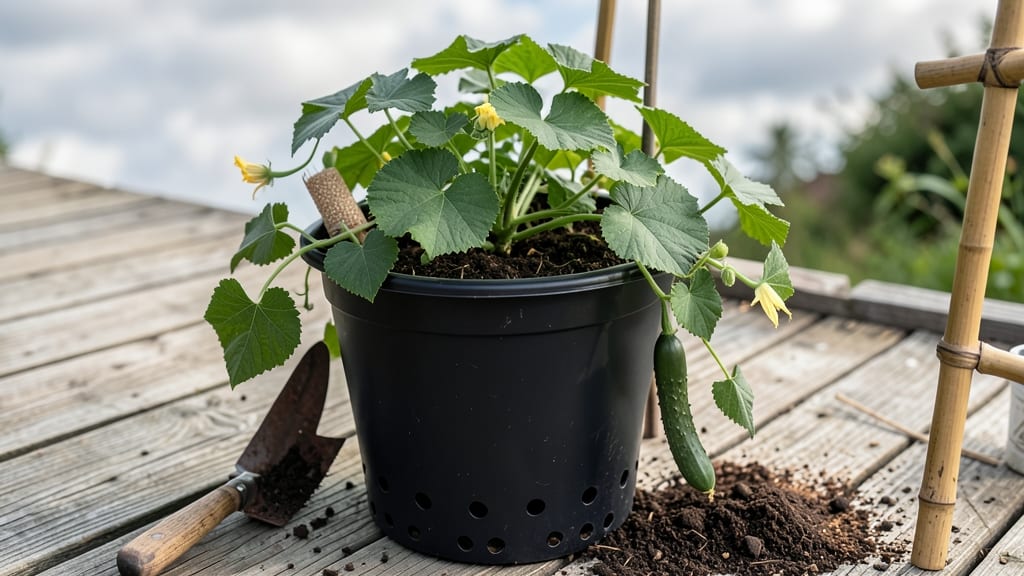
How to grow cucumbers in a 5-gallon bucket proved my tiny balcony could outproduce my neighbor’s garden patch. 🌱 The secret isn’t magic—it’s choosing the right variety, mimicking ideal growing conditions in a compact space, and giving those vines something to climb. My first attempt yielded 12 cucumbers in one summer, and now I’m hooked on this space-saving hack.
Start with bush varieties like 'Bush Champion' or 'Spacemaster'—they’re bred for containers and won’t outgrow your bucket. You’ll need a trellis or cage (even a DIY wire frame works), well-draining potting mix, and a bucket with drainage holes.
Skip the cheap plastic—5-gallon fabric grow bags breathe better and prevent root rot. Place your bucket where it gets 6-8 hours of sun daily, and you’re already ahead of 90% of beginners.
By midsummer, you’ll be harvesting crisp cucumbers straight from your balcony. The vines will climb 6+ feet up your trellis, saving floor space while producing more than ground-planted varieties. Prune regularly to keep air flowing, and watch for yellowing leaves—a sign of overwatering or nutrient burn.
With the right care, one bucket can feed a family for weeks, and the satisfaction of picking fresh cucumbers without a garden plot is unmatched.
This method works in any climate—just adjust watering (daily in heat, every other day in cool weather). Urban gardeners, apartment dwellers, and anyone with limited space will love how this simple setup turns a small corner into a productive vineyard.
Ready to turn that empty bucket into a cucumber powerhouse?
📚 In This Guide
- What you need
- Instructions
- Tips and common mistakes
- Wrapping up and next steps
What you need
- ● 5-gallon bucket – Drill drainage holes in the bottom (use a ½-inch drill bit).
- ● Potting mix – 2–3 bags of high-quality, well-draining container mix (avoid garden soil).
- ● Cucumber seeds or seedlings – Choose a bush or compact variety (e.g., 'Bush Champion' or 'Spacemaster').
- ● Drainage tray or saucer – To catch excess water and prevent mess.
- ● Fertilizer – A balanced liquid fertilizer (10-10-10 or 5-5-5) or compost for organic growth.
- ● Support structure – A trellis, cage, or stakes (at least 4–5 feet tall) to guide vines upward.
- ● Watering can or hose – With a gentle spray nozzle for even moisture.
- ● Mulch – Straw or shredded leaves to retain moisture and suppress weeds.
- ● pH testing kit – To ensure soil pH is between 6.0–6.8 (ideal for cucumbers).
- ● Slow-release fertilizer pellets – For hands-off nutrition.
- ● Pruning shears – To trim excess leaves or vines for better airflow.
- ● Grow lights (if indoors) – A full-spectrum LED for 6–8 hours of light daily.
Step-by-Step instructions for growing cucumbers in 5-Gallon buckets
Here's the method I've used to grow vigorous, productive cucumber vines in tight spaces—no garden needed.
🪴 Step 1: Prepare Your Containers and Drainage System
Start with four 5-gallon buckets—one for each plant. Drill three ½-inch drainage holes in the bottom of each bucket using a power drill. Place a 1-inch layer of gravel in the bottom before adding soil; this prevents clogging and keeps roots aerated. I also cut a 2-inch slit on one side, about 6 inches up, to create a built-in trellis for the vines to climb later.
Position your buckets near a south-facing window or under a grow light if indoors. Cucumbers need 6-8 hours of direct sunlight daily, and even a small patio can provide enough light with proper placement. If your space gets afternoon shade, supplement with a 12-inch LED grow light for 4-6 hours daily during cloudy periods.
🌱 Step 2: Mix Soil and Plant Seedlings
Fill each bucket with a mix of 3 gallons of potting soil and 1 gallon of compost. Cucumbers are heavy feeders, so this nutrient boost prevents early flowering without fruit. Press the soil down gently but don't compact it—roots need air pockets. I like to add a handful of worm castings at planting time for extra microbial activity, which helps roots absorb moisture efficiently.
Plant one cucumber seedling per bucket, about 1 inch deep. If starting from seed, sow 2-3 seeds per bucket and thin to the strongest seedling after germination. Water immediately after planting to settle the soil around roots. The first true leaves should appear in 7-10 days—this is your cue that the plant has established its root system.
☀️ Step 3: Train Vines and Maintain Moisture
As vines grow, gently weave them through the side slits you cut earlier. This built-in trellis saves space and keeps fruit off the ground, reducing rot. I find that cucumbers grow 30-50% faster when trained vertically because their energy goes into producing vines and flowers instead of sprawling stems. Prune any lateral shoots that grow below the main stem to focus energy upward.
Water when the top inch of soil feels dry, typically every 2-3 days in warm weather. Overwatering leads to blossom-end rot, so I use a moisture meter to check before watering. Mulch with 2 inches of straw to retain moisture and suppress weeds. Fertilize weekly with ½-strength liquid fertilizer once flowers appear to support fruit production.
✂️ Step 4: Harvest and Prune for Continuous Production
Harvest cucumbers when they reach 6-8 inches long—this encourages more flowers and fruit. I pick in the morning when the skin is firm and cool. Use pruning shears to cut stems ¼ inch above the fruit to prevent disease entry points. Remove any yellowing leaves immediately to redirect plant energy to productive growth.
Here's the thing—cucumbers are prolific, and one plant can produce 10-15 pounds of fruit per season in a 5-gallon bucket. To keep production steady, pinch off the first flower cluster that appears. This forces the plant to develop more lateral branches, which means more flowers and a longer harvest window. You'll see a noticeable increase in fruit yield within two weeks of this pruning technique.
Tips & tricks for growing cucumbers in 5-Gallon buckets
Small spaces shouldn't limit your harvest—these pro tips will help you maximize your cucumber yield while keeping plants healthy and productive.
Drainage and Aeration: When drilling those three ½-inch drainage holes in Step 1, space them evenly around the bucket's base. Uneven drainage can lead to root rot, especially in humid conditions. I also recommend adding a 2-inch layer of coarse perlite above the gravel to improve aeration further. This two-layer system prevents clogging while keeping roots oxygenated—critical for vigorous growth in confined spaces.
Light Optimization: The 6-8 hours of direct sunlight mentioned in Step 1 is non-negotiable, but here's how to maximize it: rotate your buckets weekly so all sides get equal exposure. If using grow lights, position them 12-18 inches above the plants and adjust height as vines grow. South-facing windows work best, but east-facing windows with supplemental morning light can also produce excellent results when combined with the 4-6 hours of grow light during cloudy periods.
Soil Science: In Step 2, that 3:1 ratio of potting soil to compost is perfect, but here's the secret: mix in ½ cup of bone meal at planting time for phosphorus boost. This supports early root development and flowering. For containers, I swear by container-specific potting mix—it's lighter and drains better than garden soil, preventing the dreaded "soggy bucket" syndrome that stunts growth.
Pruning Strategy: The pruning technique in Step 4 works wonders, but here's the timing detail: pinch off those first flower clusters when they're still pea-sized. Larger buds won't respond as well to this technique. I also recommend pruning in the morning when plants are hydrated—this reduces stress on the plant and encourages faster regrowth of lateral branches for that promised 30-50% growth boost.
Pro Tips for Grow Cucumbers In A 5 Gallon Bucket
- Small spaces shouldn't limit your harvest—these pro tips will help you maximize your cucumber yield while keeping plants healthy and productive.
- Drainage and Aeration: When drilling those three ½-inch drainage holes in Step 1, space them evenly around the bucket's base.
- Light Optimization: The 6-8 hours of direct sunlight mentioned in Step 1 is non-negotiable, but here's how to maximize it: rotate your buckets weekly so all sides get equal exposure.
Frequently asked questions
Got questions?
You’re not alone—growing cucumbers in a 5-gallon bucket is a game-changer, but it’s natural to have doubts. Here are answers to the most common questions to set you up for success!
Can I grow more than one cucumber plant in a 5-gallon bucket?
While it’s possible to fit two small varieties (like ‘Bush Champion’ or ‘Spacemaster’) in one bucket, it’s not ideal. Roots compete for space, nutrients, and water, stunting growth. If you’re set on multiple plants, opt for larger containers (7+ gallons) or use separate buckets.
How long does it take for cucumbers to grow in a 5-gallon bucket?
With proper care, you’ll see first flowers in 4–6 weeks and harvest-ready cucumbers in 6–8 weeks after planting. Dwarf or bush varieties mature faster than vining types. Pro tip: Use a heat mat early on to speed germination if your climate is cool!
Why are my cucumber leaves turning yellow?
Yellow leaves usually signal overwatering, underwatering, or nutrient deficiencies. Check soil moisture—it should stay consistently damp but not soggy. If the yellowing starts at the bottom leaves, it’s often overwatering or poor drainage. For upper leaves, lack of nitrogen may be the culprit—try a balanced fertilizer like 10-10-10.
Can I reuse a 5-gallon bucket that previously held something else?
Yes! Just sanitize it first to avoid disease. Scrub with a bleach solution (1 part bleach to 9 parts water), rinse thoroughly, and let it dry in the sun. Avoid buckets that held chemicals or toxic substances—stick to food-grade buckets (like those from paint or milk).
What if my cucumbers taste bitter?
Bitter cucumbers often result from overmaturity, heat stress, or poor pollination. Harvest them small and firm (3–6 inches long) for the best flavor. If temps soar above 90°F, provide afternoon shade. For indoor grows, hand-pollinate with a soft paintbrush to transfer pollen between flowers.
Wrapping up and next steps
Growing cucumbers in a 5-gallon bucket proves that even small spaces can yield big harvests! With the right setup—well-draining soil, proper sunlight, and consistent care—you’ll enjoy fresh, homegrown cucumbers in no time. 🌱
Ready to take the next step? Try experimenting with different varieties or even companion plants like basil or radishes to boost your garden’s success. Happy growing—your future salads will thank you! 🥒✨