
Container Gardens
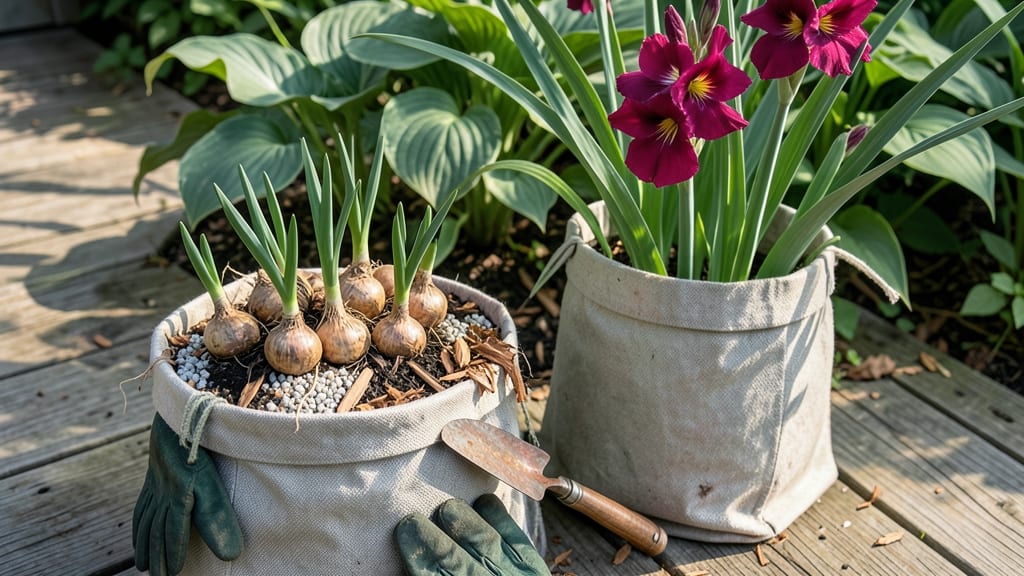
How to grow gladiolus in containers turns your patio into a vertical garden showstopper. 🌱 These dramatic blooms need deep roots—and containers make it possible with the right setup. I’ve grown them in pots for years, and the secret is matching the right container to their ambitious growth habits.
The key is 12-18 inch deep pots with drainage holes—gladiolus corms need room to stretch their roots downward. Fill with well-draining potting mix (avoid garden soil), and plant corms 4-6 inches deep, spacing them 3-4 inches apart.
Sun is non-negotiable: 6+ hours daily of direct light, or they’ll flop like overwatered houseplants.
Water when the top inch of soil feels dry, and fertilize every 2-3 weeks with balanced fertilizer. The payoff? Towering stalks of blooms that start in midsummer, often lasting until frost. Plus, containers let you move them to chase sun or protect from pests—no digging required.
Watch for root-bound stress (yellowing leaves) or nutrient burn (brown tips)—both mean it’s time to repot or adjust fertilizer. With the right container, these divas thrive even in small spaces. Ready to grow your own parade of spikes?
📚 In This Guide
- What you need
- Instructions
- Tips and common mistakes
- Wrapping up and next steps
What you need
- ○ Containers: At least 2-3 containers per gladiolus bulb, with a minimum depth of 12–18 inches and diameter of 8–12 inches. Use terracotta, fiberglass, or plastic pots with drainage holes. Optional: Self-watering containers for convenience.
- ● Gladiolus bulbs (corms): 2–3 healthy, firm corms per container. Choose varieties suited for containers (e.g., 'Romeo,' 'Picasso,' or 'Green Star').
- ● Potting mix: 1–2 bags of high-quality, well-draining potting soil (avoid garden soil). Mix in 1 part perlite or coarse sand per 3 parts soil for aeration.
- ● Fertilizer: Balanced fertilizer (10-10-10 or 20-20-20): 1 tbsp per container at planting.
- ○ Slow-release granular fertilizer: 1 cup per 5 gallons of potting mix (optional but recommended for nutrient consistency).
- ● Support stakes or cages: 3–4 bamboo stakes or tomato cages per container (gladiolus can grow 3–5 feet tall!).
- ● Mulch: 1–2 inches of organic mulch (straw or shredded bark) to retain moisture and regulate temperature.
- ● Watering can or hose with a gentle nozzle: For even, deep watering without disturbing the soil.
- ● Sunlight: Full sun (6–8+ hours daily). Place containers in the sunniest spot possible.
- ● Temperature: Gladiolus thrive in warmth (60–80°F). Avoid frost—plant after the last frost date in your zone.
- ○ Wind protection: Optional but helpful for tall varieties. Use a trellis or windbreak if needed.
- ● 💡 Drainage is key! Ensure containers have holes and use a tray underneath to catch excess water.
- ● 🌱 Group containers closely to mimic natural spacing and support each other in windy areas.
- ● 🔄 Rotate containers occasionally for even sun exposure and growth.
Step-by-Step instructions for growing gladiolus in containers
Here's how to coax those dramatic spikes of color into containers with proper support and care.
🪴 Step 1: Select the Right Containers and Support System
Gladiolus corms need deep containers (at least 12-18 inches deep) to accommodate their long, vertical roots. I use sturdy fabric grow bags or heavy plastic pots with multiple drainage holes—their weight prevents tipping when blooms reach 3-5 feet tall. Add a 3-inch layer of gravel or broken pottery at the bottom for drainage.
Install a bamboo or metal support stake (at least 4 feet tall) in each container before planting. Drive it 3-4 inches deep into the soil so it doesn't shift as the plants grow. For 4 plants per container, use a 5-foot tall cage or trellis instead—it creates a natural windbreak and prevents stems from snapping under bloom weight.
🌱 Step 2: Prepare Soil and Plant Corms Correctly
Fill containers with a mix of 50% potting soil and 50% perlite or coarse sand to prevent compaction. Gladiolus roots need air circulation to thrive. I add a slow-release bulb fertilizer (10-10-10 ratio) mixed into the bottom 6 inches of soil—this feeds roots as they grow downward.
Plant corms 4-6 inches deep, with the pointed end facing up. Space them 4-6 inches apart in a circle around the support structure. Press gently but don't compact the soil—you want loose, crumbly texture for root penetration. Water immediately after planting to settle the soil around the corms.
☀️ Step 3: Provide Light and Water for Strong Growth
Gladiolus demand full sun (6-8 hours daily), so place containers where they get morning light and afternoon shade in hot climates. I rotate my containers quarter-turn weekly so stems grow straight toward the light instead of leaning. Watch for yellowing lower leaves—this signals either too much water or not enough light.
Water deeply 2-3 times weekly until water runs freely from drainage holes. Let the top 2 inches of soil dry between waterings—overwatering causes corms to rot. Once flower spikes emerge, reduce watering slightly to once weekly to prevent blooms from splitting in heavy rain.
✂️ Step 4: Maintain and Deadhead for Next Season's Blooms
Remove spent blooms by cutting stems 2 inches above the next bud to encourage more flowers. Never cut back foliage until it yellows completely—leaves feed the corm for next year's growth. I mark containers with plant tags to track varieties, since gladiolus corms multiply and can get mixed up.
After first frost, cut back foliage to 2 inches tall and lift corms from containers. Store them in a cool (40-50°F), dry place until spring. Replant in early spring (4-6 weeks before last frost) for summer blooms. Divide overcrowded clumps every 3-4 years to maintain vigor.
Tips & tricks for growing gladiolus in containers
These little-known details make all the difference when cultivating container gladiolus—trust me, I've learned them the hard way after watching stems flop over like overcooked spaghetti.
Container Stability: The 12-18 inch depth requirement isn't just about roots—it's about preventing tipping when those 3-5 foot spikes develop. I've seen containers topple like dominoes when planted too shallowly. For extra security, place your containers on a weighted base or anchor them with stakes buried into the ground beneath. This is especially critical for windy locations where stems can sway dramatically.
Soil Aeration Secret: That 50-50 potting soil to perlite/sand mix isn't just arbitrary—it's about creating air pockets that prevent root rot. I've found that adding a handful of vermiculite to the mix further improves drainage without sacrificing moisture retention. The goal is soil that feels like a damp sponge, not a wet sock. Test your mix by squeezing a handful—water should drain freely when released.
Light Rotation Strategy: The quarter-turn weekly rotation in Step 3 isn't just about aesthetics—it's about preventing stems from growing toward the light source. I've seen plants lean so dramatically they needed to be tied up like drunk sailors. For even growth, rotate containers in the morning when stems are still pliable. This ensures your gladiolus grow straight up like soldiers, not like drunken sailors.
Watering Precision: The 2-inch dry top layer between waterings is crucial—too much water and your corms rot; too little and they shrivel. I've developed a simple test: stick your finger 2 inches deep. If it feels dry, water thoroughly until it runs from the drainage holes. In hot climates, you might need to water daily, but always check that top layer first. The key is consistent moisture without waterlogging.
Pro Tips for Grow Gladiolus In Containers
- These little-known details make all the difference when cultivating container gladiolus—trust me, I've learned them the hard way after watching stems flop over like overcooked spaghetti.
- Container Stability: The 12-18 inch depth requirement isn't just about roots—it's about preventing tipping when those 3-5 foot spikes develop.
- Soil Aeration Secret: That 50-50 potting soil to perlite/sand mix isn't just arbitrary—it's about creating air pockets that prevent root rot.
Frequently asked questions
Got questions about growing gladiolus in containers? You’re not alone! Here are answers to the most common concerns—so you can enjoy those stunning spikes of color without the guesswork.
Can gladiolus really grow well in containers?
With the right container (at least 12–18 inches deep), well-draining soil, and proper care, gladiolus thrives in pots. Their fibrous roots adapt well to confined spaces as long as they’re not too crowded. Just avoid shallow planters—they need room to anchor deep.
When is the best time to plant gladiolus in containers?
For most climates, plant corms in early spring (after the last frost) or late summer (6–8 weeks before the first frost). In warmer zones, fall planting works too. Avoid planting too early—they need consistent warmth to sprout. Pro tip: Use a soil thermometer to check for 60°F+ soil temps.
How often should I water potted gladiolus?
Keep soil evenly moist but not soggy. Water when the top inch feels dry, aiming for 1–1.5 inches per week. Containers dry out faster, so check daily in hot weather. Yellowing leaves? Overwatering is often the culprit—ensure pots have drainage holes.
What pests or diseases should I watch for in container gladiolus?
Gladiolus are prone to thrips (tiny pests that scar flowers) and botrytis blight (gray mold). Prevent thrips with floating row covers or neem oil. Improve airflow to avoid mold—space pots apart and avoid overhead watering. Remove damaged leaves promptly to stop spread.
Can I reuse the same container and soil for next year?
Not ideal! Gladiolus deplete nutrients and may harbor pests/diseases. Refresh soil with a 50/50 mix of new potting soil and compost. Pro tip: Sterilize containers by soaking in a 10% bleach solution (rinse well) or baking at 200°F for 30 minutes to kill pathogens.
Still stumped? Drop your container gladiolus questions in the comments—we’re happy to help!
Wrapping up and next steps
Growing gladiolus in containers is a rewarding way to enjoy their stunning blooms—even with limited space! With the right deep, well-draining pots, nutrient-rich soil, and a little patience, you’ll create a showstopping vertical garden.
Now that you’re ready to plant, why not expand your container garden? Try pairing gladiolus with other tall, dramatic blooms like dahlias or snapdragons for an even more eye-catching display. Happy gardening—your future floral masterpiece is just a few corm drops away! 🌸✨