
Size
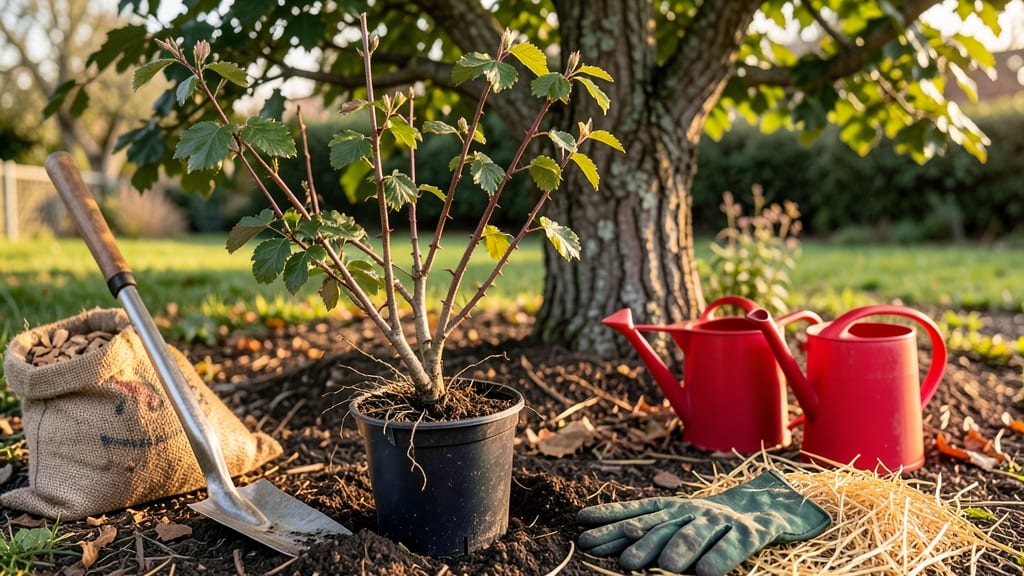
How to grow a hawthorn tree means years of fragrant spring blooms and wildlife-friendly berries. 🌿 I learned the hard way—planting in the wrong soil nearly killed my first sapling. The key is patience and the right conditions, which I’ll break down so your tree thrives from day one. Hawthorns love full sun and well-draining soil, but they’re tough enough to handle poor conditions once established. Start with a site that gets at least 6 hours of sunlight daily, and amend heavy clay with compost. Water deeply after planting, then let nature take over—these trees hate soggy roots. By year three, you’ll see clusters of white flowers followed by bright red berries that birds adore. The tree’s dense branches also make it perfect for privacy screens or hedgerows. Just be prepared for thorns—nature’s built-in fence! This guide covers everything from planting to pruning, including how to handle pests and seasonal care. Let’s get that hawthorn growing strong for decades to come.
📚 In This Guide
- What you need
- Instructions
- Tips and common mistakes
- Wrapping up and next steps
What you need
- ● Hawthorn plant: 1–3 Crataegus saplings (bare-root or potted, 1–3 years old)
- ● OR seeds from organic, disease-free hawthorn fruit (collect in fall)
- ● Soil amendments: 5–10 lbs of compost or well-rotted manure
- ● 1–2 lbs of bone meal (for phosphorus, aiding root growth)
- ○ Optional: Mycorrhizal fungi (1–2 lbs) to boost root health
- ● Planting tools: 1 shovel (for digging)
- ● 1 trowel (for seed planting or small adjustments)
- ● 1 pruners (sterilized, for trimming)
- ● 1 measuring tape (to mark planting depth)
- ● Mulch: 3–4 inches of organic mulch (wood chips, straw, or pine needles)
- ● Watering supplies: 1 garden hose with adjustable nozzle
- ● 1 watering can (for seedlings)
- ● 1 tree stake (if planting in windy areas)
- ● 1 tree guard (to protect from pests/deer)
- ● 1 pH test kit (to check soil acidity, ideal: 6.0–7.0)
- ● 1 fertilizer (balanced 10-10-10 or organic options like fish emulsion)
- ● 1 seed-starting tray (if germinating seeds indoors)
Step-by-step instructions for planting and cultivating a hawthorn tree
Here’s how to get your hawthorn tree off to a strong start—whether you’re planting from a young sapling or a nursery-grown specimen.
🌱 Step 1: Choose the Right Location and Prepare the Soil
Hawthorn trees thrive in full sun with at least 6 hours of direct light daily, though they tolerate partial shade in hotter climates. Avoid low-lying areas where cold air pools—these trees are hardy but can suffer from late frosts. Test your soil for drainage: hawthorns hate soggy roots, so amend heavy clay with 2-3 inches of compost or sand to improve aeration.
Dig a hole twice as wide as the root ball but only as deep as the container’s root base. Loosen the sides of the hole to encourage root spread. If planting multiple trees, space them 15-20 feet apart—hawthorns grow into dense, multi-stemmed shrubs or small trees over time.
🪴 Step 2: Plant the Hawthorn Tree Properly
Remove the tree from its container and gently tease the roots outward if they’re circling. Place it in the hole so the top of the root ball sits 1-2 inches above ground level—this prevents water from pooling around the stem. Fill the hole with native soil, tamping lightly every 6 inches to remove air pockets.
Create a watering basin by mounding soil around the edges of the hole. Water deeply until the soil settles, then add more soil if the root ball sinks below grade. Mulch with 2-3 inches of organic mulch (like wood chips) in a 3-foot diameter ring, keeping it 6 inches away from the trunk to prevent rot.
☀️ Step 3: Water and Fertilize for Establishment
Water the tree twice weekly for the first month, then taper to once weekly unless rainfall provides 1 inch of moisture. Hawthorns are drought-tolerant once established, but young trees need consistent moisture to develop strong roots. You’ll know it’s getting enough water when the top 4 inches of soil feel slightly damp but not soggy.
Apply a balanced, slow-release fertilizer (10-10-10) in early spring and again in mid-summer. Avoid high-nitrogen fertilizers—hawthorns produce better fruit when they focus on growth rather than leafy foliage. After fertilizing, water deeply to help nutrients penetrate the soil.
✂️ Step 4: Prune for Shape and Health
Prune in late winter or early spring before new growth begins. Remove dead, diseased, or crossing branches first, then thin out crowded stems to improve airflow. Hawthorns naturally grow as multi-stemmed shrubs, so avoid heavy pruning—you’ll shape them more effectively by selective trimming each year.
Watch for suckers (shoots growing from the base) and remove them promptly—they divert energy from the main tree. If you’re growing hawthorn for fruit, prune lightly in summer to encourage flowering wood for next year’s harvest.
🌿 Step 5: Year-Round Maintenance for Long-Term Growth
In spring, rake away old mulch and replace it with fresh material to prevent compaction. Monitor for aphids or scale insects—hawthorns are prone to these pests, especially in dry conditions. Spray with neem oil if you spot clusters of sticky residue on new growth.
By fall, reduce watering as temperatures drop, but keep the soil moist until the ground freezes. Hawthorns are hardy to USDA Zone 3, but young trees may need winter mulch (an extra 2 inches) to protect roots in extreme cold. Avoid fertilizing in fall—it encourages tender new growth that won’t survive winter.
Tips & tricks for growing a thriving hawthorn tree
Here's what I've learned from years of growing these resilient trees—small details make all the difference.
Sunlight Strategy: Hawthorns need that full sun (6-8 hours daily), but don't assume every sunny spot is equal. Morning sun is gentler and helps prevent leaf scorch, which can happen in intense afternoon heat. If your location gets harsh afternoon sun, consider planting near a building or taller plants that provide partial afternoon shade.
Soil Prep Secret: When amending heavy clay soil, I've found that mixing in equal parts compost and sand creates the perfect balance. The compost adds nutrients while the sand improves drainage—hawthorns absolutely hate soggy roots. Test your soil's pH before planting; if it's outside 6.0-7.5, you can adjust with lime (to raise pH) or sulfur (to lower it) before planting.
Planting Depth Tip: That 1-2 inch elevation above ground level is critical—it prevents rot when soil settles. I've seen many gardeners plant too deep, which can suffocate the roots. After planting, gently press the soil around the roots but don't compact it tightly; this encourages root spread into surrounding soil.
Watering Wisdom: The once-weekly deep watering is perfect, but timing matters. Water in the early morning to allow foliage to dry before evening, which helps prevent fungal diseases. I use a rain gauge to track rainfall—if we get more than 1 inch of rain in a week, I skip the watering entirely. For extreme heat, you can water twice weekly instead of once.
Pro Tips for Grow Hawthorn Tree
- Here's what I've learned from years of growing these resilient trees—small details make all the difference.
- Sunlight Strategy: Hawthorns need that full sun (6-8 hours daily), but don't assume every sunny spot is equal. Mornin...
- Soil Prep Secret: When amending heavy clay soil, I've found that mixing in equal parts compost and sand creates the p...
Frequently asked questions
Got questions about growing hawthorn trees?
Here are some of the most common ones—plus straightforward answers to help you nurture a healthy, thriving plant!
1. How long does it take for a hawthorn tree to bear fruit?
A hawthorn tree typically takes 3 to 5 years to produce its first flowers and fruit, depending on the variety and growing conditions. Patience is key—young trees focus on root and branch development before flowering. Choose a dwarf or fast-growing variety (like Crataegus phaenopyrum) if you’re eager for berries!
2. Can I grow a hawthorn tree in a pot, or does it need to be planted in the ground?
Hawthorn trees can thrive in large containers (15+ gallons) for a few years, but they’re not ideal for long-term potted growth. Their roots expand aggressively, and they need deep soil to support their size. If you must pot one, use a well-draining, acidic mix and repot every 2–3 years. For best results, plant in the ground!
3. Why aren’t my hawthorn leaves turning green? (Yellowing or browning issues)
Yellow or brown leaves often signal nutrient deficiencies, overwatering, or pests. Check for:
- Iron deficiency (chlorosis)—amend soil with chelated iron or compost.
- Fungal issues (like powdery mildew)—prune affected branches and apply neem oil.
- Root rot from soggy soil—ensure 6+ inches of drainage and avoid waterlogging.
If leaves curl or drop early, aphids or spider mites may be the culprit—spray with insecticidal soap.
4. Do hawthorn trees attract bees or other pollinators?
Absolutely! Hawthorn trees are a pollinator magnet, especially during their spring blooms. Their fragrant white or pink flowers provide nectar for bees, butterflies, and hummingbirds. Planting one supports local ecosystems—just avoid spraying pesticides during flowering season!
5. Can I propagate a hawthorn tree from cuttings or seeds?
Both methods work, but seeds are easier for beginners:
- Seeds: Collect ripe berries, remove seeds, and stratify them (cold-moist treatment for 3–4 months) before planting in spring. Germination can take 1–3 months.
- Cuttings: Use semi-hardwood cuttings (late summer/fall), dip in rooting hormone, and keep in a humid, shaded environment. Success rates are lower (~30–50%).
Pro tip: Grafting is the most reliable method for specific varieties, but it requires practice.
Wrapping up and next steps
Growing a hawthorn tree is a rewarding journey that blends beauty, resilience, and practical benefits—whether for its stunning flowers, wildlife-friendly berries, or sturdy wood.
With the right soil, sunlight, and care, you’ll nurture a thriving tree that stands the test of time. Now’s your chance to plant the seeds (literally!) of a future full of color, fragrance, and nature’s bounty.
Ready to take the next step? Start by selecting your sapling or seeds, then roll up your sleeves and get growing! 🌱 Whether you’re a beginner or a seasoned gardener, your hawthorn tree awaits—let’s make it happen together.