
Size
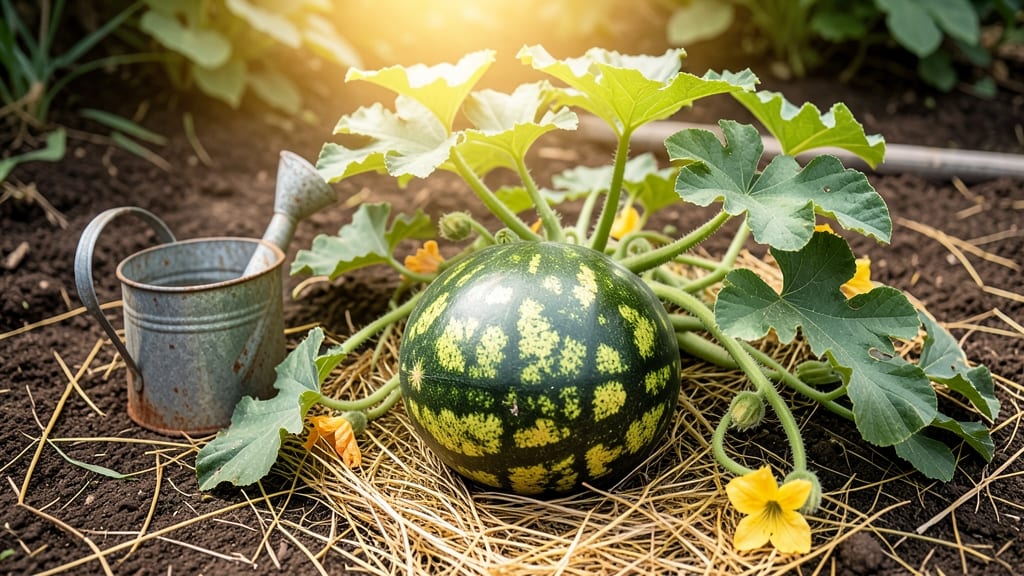
How to grow huge watermelons—fifty-pound giants aren’t just a fantasy; they’re a vine-spreading reality waiting in your garden. 🌱 I’ve grown melons that weighed more than my dog, and the secret isn’t luck—it’s understanding how these sprawling plants really grow. Most gardeners focus on the fruit, but the key to monster melons lies in the roots, vines, and sunlight working together like a well-oiled machine.
You’ll need rich, sandy-loam soil with great drainage (heavy clay? Fix it first), the right seed varieties (like ‘Crimson Sweet’ or ‘Moon and Stars’), and 12+ hours of sunlight daily. Spacing matters too—give vines 6-8 feet of room to stretch (yes, really), and avoid overcrowding, which stunts growth.
The biggest mistake? Skipping soil tests—pH between 6.0-6.8 is non-negotiable for maximum nutrient uptake.
By mid-summer, you’ll see vines exploding with energy, and that’s when the real work begins: drip irrigation (not overhead watering), hand-pollination on cloudy days, and side-dressing with compost every 3 weeks.
The payoff? Watermelons so massive they’ll make your neighbors question their life choices. (Yes, I’ve had to use a board to cut them.)
This method works in zones 4-10, though heat-loving varieties thrive best in zones 7-9. Container growers? Stick to bush types—they’ll still hit 20+ pounds with the right care.
The hardest part? Waiting. But trust me, the first time you slice into a 50-pound melon and see the seedless red perfection inside, you’ll forget all the sweat.
📚 In This Guide
- What you need
- Instructions
- Tips and common mistakes
- Wrapping up and next steps
What you need
- ● Watermelon seeds: Choose heirloom or hybrid varieties like 'Moon and Stars,' 'Crimson Sweet,' or 'Sugar Baby' (for big yields). Start with 2–4 seeds per hill (thin to the strongest plant).
- ● High-quality compost: 5–10 gallons per plant (mix in at planting for nutrient-rich soil).
- ● Balanced fertilizer (10-10-10 or 5-10-10): 1–2 cups per plant at planting, then side-dress with 5-10-10 when vines are 12 inches long.
- ● Organic mulch: Straw or black plastic (3–4 inches thick) to retain moisture and suppress weeds.
- ● Drip irrigation or soaker hose: Watermelons need 1–2 inches of water weekly (consistency is key!).
- ● Garden trowel or transplanter: For digging holes 12–18 inches deep and wide.
- ● Garden gloves: Protect your hands from thorns and soil.
- ○ Pruning shears: To trim runners (optional, for directing energy to fruit).
- ○ Trellis or wire cages (optional): For vertical growth in small spaces (use 6–8 ft tall supports).
- ○ Row cover or shade cloth (optional): 30–50% shade in hot climates to prevent bolt (premature flowering).
- ● Full sun: 6–8+ hours daily (watermelons are sun-worshippers!).
- ● Warm soil: Wait until soil temps hit 70°F+ (use a soil thermometer).
- ● Well-draining soil: pH 6.0–7.0 (test with a kit).
- ● Space: 3–5 feet between plants (or 6–10 ft between rows for vines to sprawl).
Step-by-Step instructions for growing giant watermelons
Here’s how I’ve grown 50-pound watermelons—with the right soil, spacing, and vine training.
🌱 Step 1: Choose the Right Variety and Plant in Warm Soil
Start with a heirloom giant variety like ‘Moon and Stars’ or ‘Crimson Sweet,’ which are bred for massive size. Plant seeds 1 inch deep only after soil reaches 75°F—cold soil slows germination and weakens vines. I use a soil thermometer to confirm warmth before planting.
Watermelon seeds need direct sunlight to germinate, so avoid covering them with mulch until sprouts appear. If your spring is chilly, consider starting seeds indoors in biodegradable pots and transplanting after the last frost. The key is warmth—without it, vines grow leggy and produce small fruit.
☀️ Step 2: Space Vines for Maximum Growth (10+ Feet Apart!)
Most gardeners crowd watermelon plants, but giant fruit needs space. Plant each seedling 10-12 feet apart in rows 8 feet apart—this mimics their natural sprawl and prevents competition for nutrients. I stake each vine with 5-foot wooden stakes early to train them upward and save space.
If space is limited, use trellis netting to lift vines vertically, but expect slightly smaller melons. The goal is unrestricted root and vine growth—crowded plants divert energy to vines instead of fruit development. Watch for yellowing leaves on crowded plants; this is your signal to thin or relocate.
💧 Step 3: Water Deeply and Consistently (No Drought, No Overwatering)
Watermelons need 1-2 inches of water per week, delivered deeply at the base to encourage strong root systems. I water early in the morning to reduce evaporation and fungal risks. Avoid wetting leaves—this promotes powdery mildew, a common enemy of giant melons.
Consistency is critical: uneven watering causes cracked rinds or hollow fruit. Use a soaker hose for precise, slow delivery. If your soil drains poorly, mound 2 inches of compost around the base to improve aeration. You’ll know you’re on track when vines spread 3-4 feet per week and leaves stay deep green and crisp.
✂️ Step 4: Prune and Fertilize for Monster Fruit
Once vines reach 6 feet, prune side shoots (suckers) to redirect energy to one main vine per plant. Remove any fruit that appears before the main vine is 8 feet long—this ensures the remaining melons get maximum resources. I also hand-pollinate flowers with a small brush if bees are scarce in your area.
Fertilize lightly with 5-10-10 at planting, then switch to low-nitrogen compost tea once flowers appear. Over-fertilizing with nitrogen leads to leafy growth at the expense of fruit. Instead, side-dress with aged manure when vines are 5 feet long to boost root strength.
🌿 Step 5: Harvest at Peak Ripeness (The 50-Pound Test!)
Giant watermelons mature 90-120 days after planting. Check for ripeness by thumping—a deep, hollow sound means it’s ready. The curly tendril near the stem should turn brown and dry. I also look for a cream-colored spot where the melon rested on the ground.
Use a serrated knife to cut the stem, leaving 1 inch attached to the fruit. Roll the melon gently to avoid bruising—giant melons bruise easily and spoil faster. Store in a cool, dry place (50-55°F) for up to 2 weeks. If you’re lucky, you’ll have a 50-pound beast—but even 20-pound melons are a triumph with these methods.
Tips & tricks for growing giant watermelons
Here's what nobody tells you about growing watermelons that actually reach 50 pounds—these tricks are what separates the gardeners who get massive fruit from those who end up with tiny, disappointing melons.
Soil Temperature is Non-Negotiable: That 75°F soil temperature in Step 1 isn't just a suggestion—it's the magic number for germination. I learned this the hard way after planting seeds in 65°F soil and waiting weeks for sprouts. Cold soil slows germination by up to 50%. Use a soil thermometer to confirm warmth before planting, and if your spring is chilly, start seeds indoors in biodegradable pots. The goal is to mimic the warmth of their native tropical environment.
Vine Training Makes All the Difference: The 10-12 feet spacing in Step 2 might seem extreme, but it's essential for giant melons. I've found that training vines upward with 5-foot wooden stakes saves space while still allowing unrestricted root growth. If you're using trellis netting, be prepared for slightly smaller melons—vertical growth restricts the root system's ability to support massive fruit. Watch for yellowing leaves as your early warning system for crowding issues.
Watering Technique Prevents Cracks: The 1-2 inches per week guideline in Step 3 is critical, but how you deliver that water matters just as much. I've discovered that using a soaker hose for deep, slow watering at the base prevents surface drying that leads to cracked rinds. Watering early in the morning also reduces evaporation and fungal risks. If your soil drains poorly, mound 2 inches of compost around the base to improve aeration—this creates the perfect environment for deep root development that supports giant fruit.
Pruning Strategy for Maximum Fruit Size: When your vines reach 6 feet in Step 4, pruning side shoots might seem counterintuitive, but it's what redirects energy to fewer, larger melons. I've found that removing any fruit that appears before the main vine reaches 8 feet ensures the remaining melons get all the resources they need. This might mean sacrificing a few small melons early on, but it's worth it for the 50-pound monsters that follow. Hand-pollination with a small brush can also help if your area has limited bee activity.
Pro Tips for Grow Huge Watermelons
- Here's what nobody tells you about growing watermelons that actually reach 50 pounds—these tricks are what separates the gardeners who get massive fruit from those who end up with tiny, disappointing melons.
- Soil Temperature is Non-Negotiable: That 75°F soil temperature in Step 1 isn't just a suggestion—it's the magic number for germination.
- Vine Training Makes All the Difference: The 10-12 feet spacing in Step 2 might seem extreme, but it's essential for giant melons.
Frequently asked questions
Got questions about growing watermelons the big way? You’re not alone! Here are answers to the most common queries—from curious beginners to seasoned gardeners chasing record-breaking melons.
How long does it take to grow a 50-pound watermelon?
A huge watermelon typically needs 80–100 days from seed to harvest, depending on your climate and variety. Early-season varieties (like ‘Sugar Baby’) may take 70–80 days, while heirlooms (like ‘Moon and Stars’) can stretch to 100+ days. Patience is key—don’t rush it!
What’s the ideal temperature for growing giant watermelons?
Watermelons thrive in warm soil (70–90°F) and air temperatures between 75–95°F. Cold soil slows germination, while extreme heat (above 95°F) can stress vines. Use black plastic mulch or row covers early in the season to warm the soil faster. Frost kills seedlings, so wait until all danger of frost has passed!
How often should I water my watermelon plants for maximum size?
Consistent moisture is critical—aim for 1–2 inches of water per week, especially during flowering and fruit development. Deep watering (1–2 times weekly) beats frequent shallow sprinkles, which encourages weak roots. Let the top inch of soil dry between waterings, but never let vines wilt. Drip irrigation or soaker hoses work best to avoid fungal diseases.
Can I grow huge watermelons in containers? What size pot do I need?
Yes, but space is limited! For a single large watermelon, use a 5-gallon bucket or larger (18+ inches deep). Bigger pots (like 7–10 gallons) allow for 2–3 vines and better root growth. Choose a variety like ‘Crimson Sweet’ or ‘Black Diamond’, which are more compact. Ensure pots have drainage holes and use a high-quality potting mix with compost.
Why are my watermelons cracking or splitting? How do I prevent it?
Cracking usually happens due to uneven watering—too much water after a dry spell causes rapid growth and splits. Maintain consistent moisture and mulch heavily to stabilize soil temps. Over-fertilizing with nitrogen (especially late in the season) can also trigger splitting. Harvest melons when the tendril near the stem turns brown—don’t wait until they’re overripe!
What’s the best fertilizer for growing giant watermelons?
Use a balanced fertilizer (10-10-10 or 5-10-10) at planting, then switch to a low-nitrogen, high-phosphorus formula (like 0-10-10) when flowers appear. Phosphorus boosts root and fruit development, while potassium (add compost or wood ash) strengthens vines. Avoid high-nitrogen fertilizers—they promote leafy growth at the expense of fruit size.
Can I grow watermelons from store-bought seeds, or do I need heirloom seeds?
Store-bought seeds might not produce the same giant results—many are hybridized for shelf life, not size. For monster melons, opt for heirloom or hybrid varieties bred for size, like ‘Moon and Stars,’ ‘Crimson Sweet,’ or ‘Charleston Gray.’ Save seeds from your best melons for next year’s even bigger harvest!
Wrapping up and next steps
Growing huge watermelons is all about patience, the right techniques, and a little bit of love for your vines! 🌱 By choosing the best seeds, optimizing soil and sunlight, and mastering pollination and pruning, you’re well on your way to harvesting monster-sized melons.
Remember, even the biggest wins start with small, consistent steps—so don’t be discouraged if your first few aren’t record-breakers.
Now that you’re armed with the know-how, it’s time to roll up your sleeves and get growing! Start with just one or two vines this season to practice, then scale up as you gain confidence. Happy planting—and may your harvest be legendary! 🍉✨