
Propagation
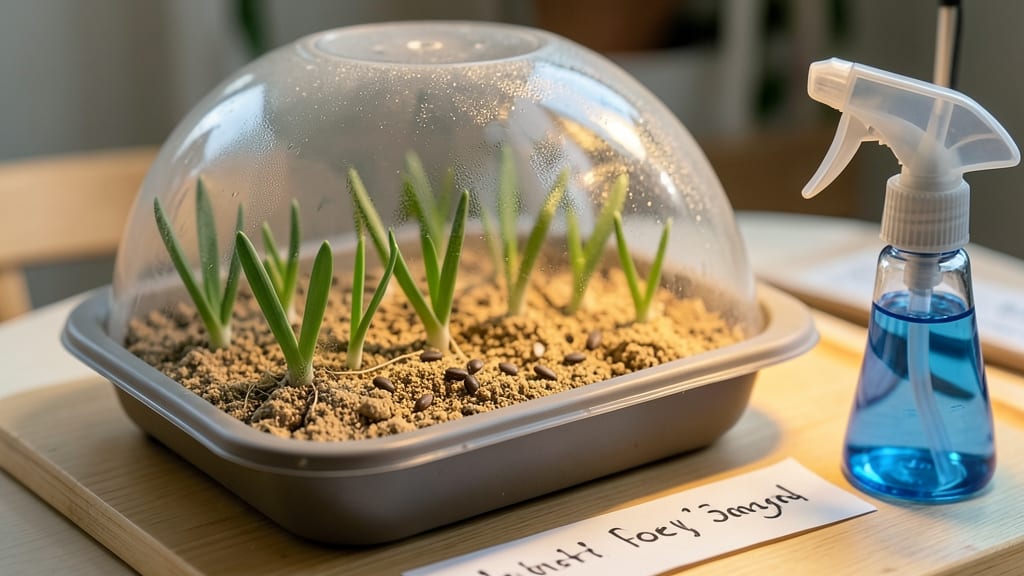
How to grow hyacinths from seeds feels like planting a future bouquet. 🌱 The process rewards patience with fragrant blooms that’ll last for years—but only if you understand their slow start. Most gardeners give up after the first year of green leaves, not realizing the real magic happens in year three.
Hyacinths need cool temperatures and bright light to germinate, which is why starting indoors in late winter works best. You’ll need a shallow tray, well-draining soil, and a spray bottle—no fancy equipment, just time.
The seeds themselves are tiny, so don’t expect instant results; some take 6-12 weeks just to sprout.
By the time they bloom, you’ll have perennial plants that multiply every year, spreading their sweet scent through your garden. The first flowers might be modest, but each passing season brings bigger, bolder blooms. The key is consistency—watering lightly, keeping them cool, and resisting the urge to rush growth.
Hybrid varieties can be grown from seed, but expect surprises in color and form. For guaranteed results, stick with heirloom types. Either way, this project teaches you more about plant resilience than any other—because sometimes, the best blooms take time to arrive.
📚 In This Guide
- What you need
- Instructions
- Tips and common mistakes
- Wrapping up and next steps
What you need
- ● Hyacinth seeds: Fresh seeds (preferably from a reliable supplier; 10–20 seeds for a small batch).
- ● Seed-starting trays or small pots: 3–4 inches deep, with drainage holes (use 6–8 trays/pots for 20 seeds).
- ● Seed-starting mix: Lightweight, sterile potting soil (e.g., cactus/succulent mix or 50% peat/50% perlite). 1–2 bags (1–2 cubic feet).
- ● Plastic wrap or humidity dome: To retain moisture during germination.
- ● Spray bottle: For gentle watering (avoid over-saturating seeds).
- ● Grow lights or sunny windowsill: Hyacinths need 12–16 hours of light/day (grow lights are ideal).
- ○ Heat mat (optional but helpful): Maintains 70–75°F (21–24°C) for faster germination.
- ● Bottom watering tray: Keeps roots consistently moist without drowning seeds.
- ● Fertilizer (diluted): Use a balanced liquid fertilizer (5-5-5 or 10-10-10) once seedlings sprout.
- ● Fungicide (preventative): Neem oil or copper fungicide to guard against damping-off.
- ● Label markers: Track seed varieties (hyacinths take 6+ months to bloom!).
- ● Transplanting pots: 4-inch pots for seedlings before moving outdoors.
Step-by-step instructions for growing hyacinths from seeds
Hyacinths from seed take time, but the payoff—fragrant blooms for years—makes it worth the wait.
🌱 Step 1: Stratify Seeds for Successful Germination
Hyacinth seeds need a cold period to break dormancy. Place them in a sealed plastic bag with slightly damp sphagnum moss (enough to keep it moist but not soggy). Store the bag in your refrigerator for 8-12 weeks. Check weekly—if the moss dries out, mist it lightly.
This cold treatment mimics winter conditions and signals the seeds it’s safe to sprout. After 8-12 weeks, remove the bag and let the seeds sit at room temperature for 1-2 weeks to complete the stratification process. You’ll see tiny roots emerging from the seeds—this is your cue they’re ready to plant.
🪴 Step 2: Plant Stratified Seeds in Containers
Fill 4-inch pots with a well-draining seed-starting mix (avoid garden soil—it’s too dense). Plant the stratified seeds ½ inch deep, spacing them 1 inch apart. Gently press the soil around them but don’t compact it too tightly—hyacinth roots need room to grow.
Place the pots in a bright, indirect light location (like a north-facing window) and keep the soil consistently moist but never waterlogged. A humidity dome or plastic wrap helps retain moisture while the seeds germinate. Expect sprouts in 4-8 weeks—patience is key here.
☀️ Step 3: Provide Light and Care for Seedlings
Once seedlings emerge, move them to a south-facing window or under grow lights for 12-14 hours of light daily. Hyacinth seedlings grow slowly, so avoid overwatering—let the top inch of soil dry out between waterings. Overwatering causes root rot, which can kill young plants.
After 3-4 months, when seedlings have 3-4 true leaves, transplant them into 6-inch pots with fresh well-draining potting mix. This gives their roots more space to establish before winter. Keep them in a cool (50-60°F) but bright location until spring.
⏰ Step 4: Overwinter and Plant Outdoors
In late fall (after the first frost), plant the young hyacinths in the ground or large containers. Choose a spot with full sun to partial shade and well-draining soil. Dig a hole twice as wide as the root ball but only as deep—planting too deep can rot the bulbs.
Mulch around the base with 2-3 inches of organic mulch (like shredded bark) to protect the plants through winter. Hyacinths grown from seed won’t bloom until their third or fourth year, but with proper care, they’ll reward you with fragrant clusters of flowers for decades.
🌿 Step 5: Maintain and Encourage Blooms
Once established, hyacinths need minimal care. Water deeply once a week during dry spells, but avoid soggy soil. After flowering, let the foliage die back naturally—this stores energy in the bulbs for next year’s blooms. In late summer, fertilize with a balanced, slow-release fertilizer to strengthen the bulbs.
Hyacinths are hardy perennials, but they may multiply over time. Divide clumps every 3-4 years in early fall to prevent overcrowding. The more you nurture them, the bigger and more fragrant their blooms will become—worth every step of the wait!
Tips & tricks for growing hyacinths from seeds
These insider strategies will help you navigate the patience game of growing fragrant hyacinths from seed.
Stratification Success: The 8-12 week cold treatment is non-negotiable for breaking dormancy. Place your sealed bag of seeds on a refrigerator shelf where the temperature stays consistently between 35-40°F—this mimics natural winter conditions. I've found that storing them on the middle shelf (not the crisper drawer) maintains the most stable temperature. After removing from cold storage, let seeds sit at room temperature for exactly 1-2 weeks before planting—they'll show readiness when tiny white roots appear.
Light Management: Once seedlings emerge, move them to a south-facing window immediately for the required 12-14 hours of daily light. If natural light isn't sufficient, supplement with a basic LED grow light placed 6-8 inches above the plants. I've had the best luck with a simple 15-watt bulb on a timer—this prevents the seedlings from stretching toward light, which weakens their stems. Rotate pots weekly to ensure even growth.
Transplanting Timing: The 3-4 month mark before transplanting is crucial for establishing strong root systems. Look for seedlings with 3-4 true leaves (not just the initial seed leaves) before moving them to 6-inch pots. I recommend using a well-draining potting mix with added perlite—this prevents the compacted soil that often causes root rot. Water thoroughly after transplanting, but resist the urge to overwater during the first week as the roots adjust.
Winter Protection: When planting outdoors in late fall, focus on proper mulching rather than just temperature protection. Apply 2-3 inches of organic mulch like shredded bark around the base, but avoid piling it against the stems. This creates an insulating blanket that regulates soil temperature while allowing moisture to penetrate. I've seen hyacinths survive winters as cold as 10°F with this method, though they'll need extra protection in extreme climates.
Pro Tips for Grow Hyacinth From Seeds
- These insider strategies will help you navigate the patience game of growing fragrant hyacinths from seed.
- Stratification Success: The 8-12 week cold treatment is non-negotiable for breaking dormancy.
- Light Management: Once seedlings emerge, move them to a south-facing window immediately for the required 12-14 hours of daily light.
Frequently asked questions
Got questions about growing hyacinths from seeds? You’re not alone—this method takes time and care! Here are answers to the most common concerns to set you up for success.
How long does it take for hyacinth seeds to sprout?
Hyacinth seeds can take anywhere from 4 to 12 weeks to sprout, depending on temperature, moisture, and seed freshness. Keep soil consistently moist and maintain warmth (around 65–75°F) to encourage germination. Patience is key—don’t give up if sprouts don’t appear right away!
Can I grow hyacinths from seeds faster than 6 months?
While the full bloom cycle (from seed to flower) typically takes 6–12 months, you can speed up early growth by:
- Using a grow light for seedlings (14–16 hours/day).
- Transplanting young plants into larger pots every 2–3 months to avoid root binding.
- Fertilizing lightly with balanced 10-10-10 once leaves appear.
Why aren’t my hyacinth seedlings growing?
Slow or stalled growth often stems from one (or more!) of these issues:
- Cold soil: Hyacinths hate temps below 50°F. Use a heat mat if needed.
- Overwatering: Soggy soil causes rot. Water only when the top inch feels dry.
- Low light: Seedlings need bright, indirect light (south-facing windows or grow lights).
- Nutrient deficiency: Yellow leaves? Try a diluted fish emulsion for micronutrients.
Should I start hyacinths indoors or outdoors?
For best results, start seeds indoors 10–12 weeks before your last frost in:
- A seed-starting tray with well-draining potting mix.
- A warm, humid environment (like a propagator or covered tray).
Will hyacinths grown from seed bloom the first year?
Probably not! Hyacinths grown from seed are perennials with a long dormancy period. Most won’t flower until their second or third year, especially if planted in fall. To encourage blooms sooner:
Think of the first year as root-building—rewarding flowers will follow!
Wrapping up and next steps
Growing hyacinths from seeds is a rewarding journey that blends patience with the joy of nurturing life. While it may take up to 6 months to see those fragrant blooms, the process is simpler than you think—just follow the right steps, stay consistent, and embrace the magic of nature. 🌱✨
Now that you’re armed with the know-how, why not start your seeds today? Grab those supplies, create a cozy growing space, and watch your garden transform into a symphony of purple, pink, or white. Happy growing—your future hyacinths are waiting for you! 🌸