
Propagation
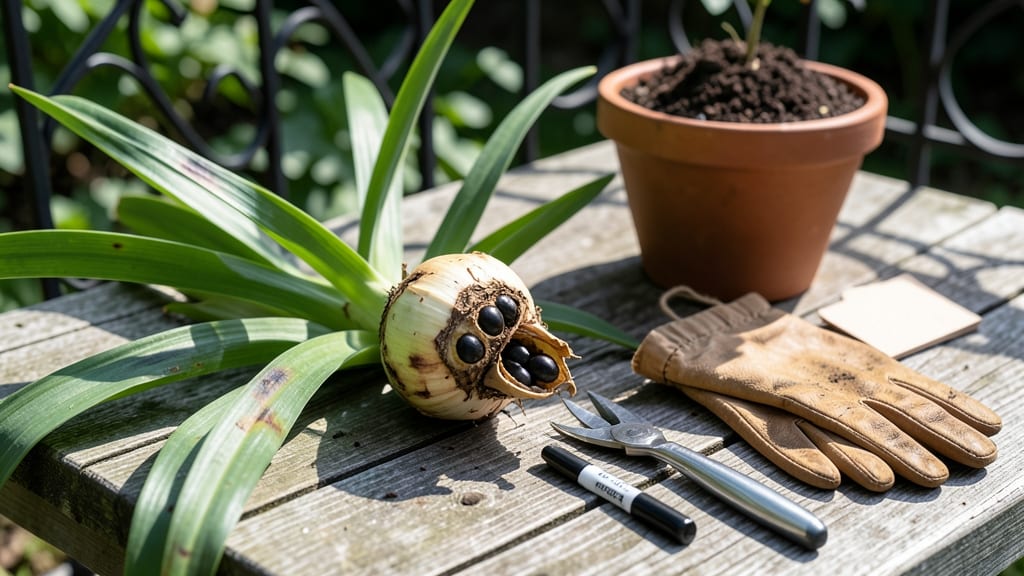
That first wilted lily stem holds a secret: how to grow lilies from the flowers you thought were spent. 🌱 I’ve turned dozens of spent blooms into thriving lilies by mastering the stem-cutting method—no bulbs, no seeds, just a few simple cuts and patience.
The best part? You can start anytime after the flowers fade, even from store-bought blooms.
Grab a sharp knife, a small pot, and some well-draining soil—that’s it. The trick is cutting stems just below a leaf node while the plant’s still green, then rooting them in water or soil. Most people skip this step, but it’s where the magic happens.
Within 4-6 weeks, you’ll see tiny roots forming, and by next spring, you could have 3-5 new lily plants from a single bloom.
By summer’s end, these cuttings will mature into sturdy bulbs ready to bloom again. The soil stays light and airy, the light bright but indirect, and the watering just enough to keep things damp—not soggy.
Even my first attempt, which I nearly gave up on, surprised me with two strong shoots by midsummer.
Works in containers or ground beds, and the process scales from one stem to a whole bouquet. The only rule? Don’t rush it—lilies grow on their own timeline. Here’s how to do it without the guesswork.
📚 In This Guide
- What you need
- Instructions
- Tips and common mistakes
- Wrapping up and next steps
What you need
- ● Healthy lily flowers: Choose blooming lilies with thick, sturdy stems (avoid wilted or diseased ones). Aim for 3–5 mature blooms per batch.
- ● Sharp pruning shears or scissors: Clean and sterilized to prevent bacterial spread. A bypass pruner works best.
- ○ Rooting hormone (optional but recommended): A powder or gel (e.g., Clonex or Dip ‘N Grow) to boost root growth.
- ● Small pots or containers: 4–6 inch diameter, with drainage holes. Plastic or terracotta works well.
- ● Well-draining potting mix: A blend of 50% perlite/sand and 50% peat or coco coir for aeration.
- ● Clear plastic bags or humidity dome: To maintain moisture (e.g., a ziplock bag with holes or a propagator lid).
- ● Spray bottle: For gentle misting to keep cuttings hydrated.
- ● Watering can or cup: With a narrow spout for precise watering.
- ● Grow lights: If propagating indoors with low natural light (LED or fluorescent, 12–16 hours/day).
- ● Fertilizer (diluted): A balanced liquid fertilizer (10-10-10) for early growth (use half-strength).
- ○ Heat mat (optional): To keep soil 70–75°F for faster rooting.
- ● Labels & markers: To track varieties and planting dates.
Tips & tricks for perfect lily stem-cuttings
Here's what I've learned from turning dried lily stems into thriving plants—simple secrets that make all the difference.
Stem Selection Matters: In Step 1, when choosing your 6-inch stem section, look for ones that are completely dry and hollow inside. Tap them gently—if they make a hollow sound, they're ready. I've found thicker stems (about pencil diameter) produce stronger bulbs faster. Avoid stems with soft spots or mold, as these won't root successfully.
Node Placement is Critical: When planting in Step 2, make sure that node is just below the soil line—this is where roots will emerge. I like to use a toothpick to mark the node before planting so I don't accidentally bury it too deep. The node should be visible but covered with just a thin layer of soil—this encourages root growth without smothering the stem.
Moisture Balance is Key: During the 4-6 week rooting phase, maintaining consistent moisture is everything. I've learned the hard way that soggy soil causes rot, while dry soil prevents rooting. The finger test works best—stick your finger about 1 inch deep. If it feels dry at the first knuckle, water lightly. A spray bottle helps control moisture better than a watering can for small pots.
Sunlight Transition Strategy: When moving your 3-4 inch shoots outdoors in Step 3, don't put them in direct sun immediately. I gradually introduce them to full sun over 5-7 days by moving them to sunnier spots each day. This prevents sunburn on the tender new leaves. Once they're acclimated, those 6 hours of direct sunlight will help them grow strong and healthy.
Pro Tips for Grow Lilies From Flowers
- Here's what I've learned from turning dried lily stems into thriving plants—simple secrets that make all the difference.
- Stem Selection Matters: In Step 1, when choosing your 6-inch stem section, look for ones that are completely dry and ...
- Node Placement is Critical: When planting in Step 2, make sure that node is just below the soil line—this is where ro...
Frequently asked questions
Got questions about growing lilies from flowers? You’re not alone! Here are some of the most common concerns—and their solutions—to help you propagate like a pro.
Can I grow lilies from any flower I have at home?
No—only certain lilies can be propagated this way.
True lilies (Lilium species) are the best candidates, like Asiatic, Oriental, or Martagon lilies. Avoid daylilies (Hemerocallis) or other non-lily flowers, as they won’t regrow from cuttings. Always check your plant’s label or consult a local nursery for confirmation!
How long does it take for a lily cutting to root and sprout?
Patience is key—expect 4 to 12 weeks for roots to form!
Once rooted, new shoots may take another 2–4 weeks to emerge. Keep the soil moist (but not soggy) and place the cutting in bright, indirect light. If you don’t see progress after 3 months, gently check for roots—sometimes they’re hiding deeper than expected.
What’s the best time of year to take lily cuttings?
Aim for early summer (June–July) for ideal results.
This gives your cuttings enough warmth and daylight to establish roots before winter. Avoid taking cuttings in late fall or spring, as cooler temps slow growth. If you miss the window, indoor propagation under grow lights is a backup plan!
Why isn’t my lily cutting growing? Troubleshooting tips
Here’s a quick
Wrapping up and next steps
Growing lilies from flowers is a rewarding way to multiply your garden’s beauty with minimal effort! By following these three simple steps—selecting healthy blooms, preparing the right tools, and nurturing your cuttings—you’ll soon enjoy vibrant new lilies thriving in your yard.
Remember, patience and consistency are key, but the results are worth every bit of care.
Now that you’re armed with the know-how, why not share your success? Try propagating a few more varieties or gift your new lilies to fellow gardening enthusiasts. Happy growing—your garden’s next masterpiece is just a cutting away! 🌱✨