
How To
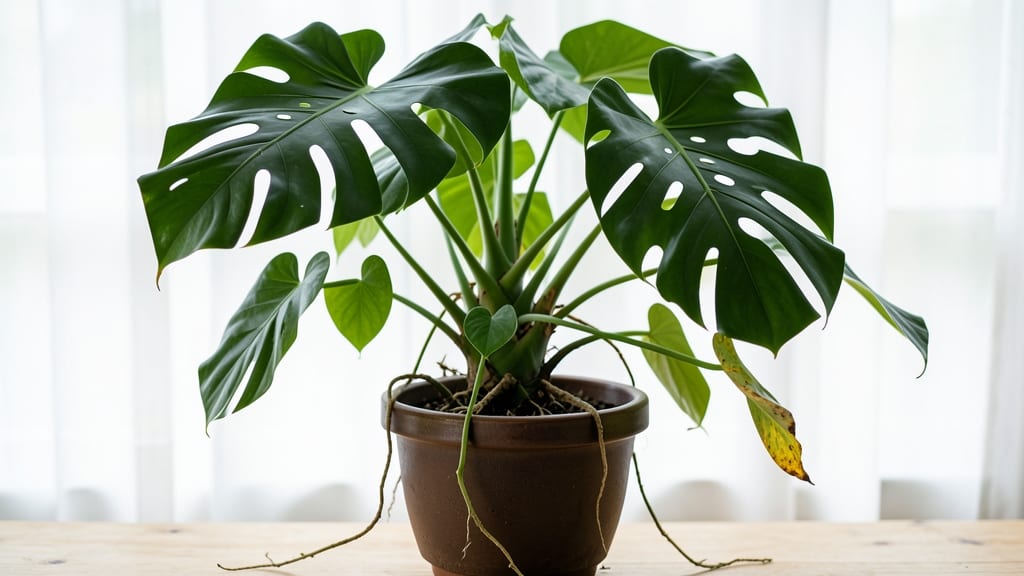
How to grow monstera tall isn’t just about patience—it’s about light, support, and a little strategic nudging. 🌿 My first monstera barely grew past my waist until I realized it needed more than just good soil. The key? Mimicking its jungle roots with bright, indirect light and a sturdy trellis to climb. Start with a 5-gallon pot and well-draining soil, then place it near an east or west window where it gets morning sun without scorching. Water when the top inch feels dry, and fertilize lightly every 6-8 weeks. The moment you see those split leaves, it’s telling you: "I’m ready to grow tall."
📚 In This Guide
- What you need
- Instructions
- Tips and common mistakes
- Wrapping up and next steps
What you need
- ● Monstera deliciosa plant – Start with a mature cutting (6+ inches with at least one node) or a young plant in a 6-8 inch pot.
- ● Well-draining potting mix – Use a blend of 50% peat moss or coco coir, 30% perlite or orchid bark, and 20% worm castings or compost for aeration and nutrients.
- ● Pot with drainage holes – A 10-12 inch diameter pot for young plants; upgrade to 14-16 inches as it grows (or use a grow bag for faster vertical growth).
- ● Support structure – Choose one of these: Moss pole or bamboo stake (4-6 feet tall, 2-3 inches in diameter).
- ● Trellis or wire cage (galvanized metal or plastic, 5-6 feet tall).
- ● Tall bookshelf or shelf unit (for urban growers!).
- ● Moisture-retentive sphagnum moss – For wrapping the moss pole (or use coconut coir as a budget-friendly alternative).
- ● Balanced liquid fertilizer – A 20-20-20 or 10-10-10 NPK fertilizer (diluted to half-strength).
- ● Pruning shears – For trimming yellow leaves or shaping growth.
- ● Spray bottle – To mist leaves and increase humidity (especially in dry climates).
- ● pH testing kit – To ensure soil pH stays between 5.5-7.0 (Monstera loves slightly acidic to neutral soil).
- ● Grow lights (LED or fluorescent) – If natural light is less than 4 hours/day (12-16 hours of light mimics tropical conditions).
- ● Plant ties or soft twine – To gently secure vines to the support as they grow.
- ● Bright, indirect light – 6+ hours/day (east or north-facing windows are ideal; avoid harsh afternoon sun).
- ● Humidity levels – 60-80% (use a humidifier or pebble tray if below 50%).
- ● Warmth – Keep temperatures between 65-85°F (avoid drafts or cold windows).
- ● Watering routine – Let the top 2-3 inches of soil dry out between waterings (overwatering = root rot!).
Step-by-step instructions for growing Monstera tall
Here’s how to coax your Monstera into reaching for the sky—no magic, just smart care.
🌱 Step 1: Choose the Right Spot for Light
Monsteras thrive in bright, indirect light—think 2-3 feet from an east or north-facing window. Direct sun burns the leaves, while too little light stunts growth. You’ll know you’ve got it right when the leaves grow large, glossy, and split naturally (those iconic fenestrations). If your space lacks windows, a grow light on a 12-hour cycle works well.
Rotate the pot quarter-turn weekly so all sides get even light. You’ll notice new leaves forming on one side? That’s your plant leaning toward the light. Adjust the pot’s position to keep growth balanced.
☀️ Step 2: Provide Support for Vertical Growth
Monsteras are climbers at heart—they need something to grip to grow tall. Install a moss pole or trellis (the wider, the better) next to the plant. I like to bury the pole halfway into the pot so roots can attach to it naturally. This mimics their jungle habitat, where they cling to trees.
Gently tie the vine to the pole with soft plant ties (no wire—it cuts!). As the plant grows, it’ll send out aerial roots to cling to the pole. These roots aren’t just for show—they anchor the plant and boost nutrient uptake. If yours skips this step, it’ll grow leggy and weak.
💧 Step 3: Water and Feed for Height
Let the top 2-3 inches of soil dry out between waterings—overwatering is the #1 killer of Monsteras. Stick your finger in: if it feels damp, wait. Underwatering? Leaves will droop, but they perk up quickly after a drink. Overwatering? Yellow leaves and mushy stems signal trouble.
Feed with a balanced liquid fertilizer (10-10-10) every 4-6 weeks in spring and summer. You’ll see the difference in bold, healthy new leaves—and faster vertical growth. Skip fertilizer in fall/winter when growth slows.
✂️ Step 4: Prune to Encourage Upward Growth
Trim leggy stems just above a leaf node to redirect energy upward. I like to cut back overly long vines in early spring—it spurs bushier, taller growth. Never cut more than ⅓ of the plant at once, or you’ll shock it. Prune with clean, sharp scissors to avoid tearing the stems.
Propagate the cuttings in water—you’ll get free baby Monsteras while keeping your main plant strong. Just place the cuttings in a jar of water, change it weekly, and watch roots form in 2-4 weeks.
🪴 Step 5: Repot for Long-Term Height
Repot every 2-3 years or when roots circle the pot. Choose a container 2-3 inches wider than the current one—Monsteras hate being root-bound. I use a fast-draining mix (50% potting soil, 30% perlite, 20% orchid bark) to prevent soggy roots.
After repotting, hold off on watering for 5-7 days to let roots recover. You’ll see new growth within weeks—and that’s your sign the plant is happy and ready to climb again.
Tips & tricks for growing Monstera tall
Here's what nobody tells you about helping your Monstera reach new heights—these tricks make all the difference.
The Light Factor: If you're using a grow light, position it 6-12 inches above the plant for the 12-hour cycle mentioned in the instructions. Too close and you'll scorch the leaves; too far and growth will slow. I test with my hand—if it feels warm but not hot, you're in the perfect zone. For window spots, east-facing windows provide the gentlest light, while north-facing offers consistent (though slightly dimmer) illumination.
Support System Secret: When installing your moss pole, don't just lean it against the pot—bury it halfway as instructed. This encourages roots to naturally attach to the pole, creating a stronger structure. I like to wrap the pole with sphagnum moss first to give roots something to grip immediately. If you're using a trellis, opt for one with horizontal bars spaced about 6 inches apart to encourage climbing at multiple points.
Watering Wisdom: The top 2-3 inches drying rule works, but here's the trick: water until it runs out the drainage holes. Monsteras store water in their leaves, so they need a good soak. I use the "damp sponge test"—if the soil feels like a wrung-out sponge, it's ready for water. For the first week after repotting, I cut watering in half to prevent root shock, even though the instructions say to wait 5-7 days before watering.
Fertilizer Timing: The 4-6 week schedule is perfect, but here's the pro move: split your fertilizer dose in half and apply it twice—once in early spring and again in early summer. This mimics natural growth cycles and prevents salt buildup. I always dilute my fertilizer to half-strength during the first application after repotting to avoid overwhelming the plant's recovery process.
Pro Tips for Grow Monstera Tall
- Here's what nobody tells you about helping your Monstera reach new heights—these tricks make all the difference.
- The Light Factor: If you're using a grow light, position it 6-12 inches above the plant for the 12-hour cycle mention...
- Support System Secret: When installing your moss pole, don't just lean it against the pot—bury it halfway as instruct...
Frequently asked questions
Got questions about growing your Monstera tall and lush?
Here are answers to the most common ones—so you can keep your plant reaching for the sky!
How often should I fertilize my Monstera to encourage tall growth?
Feed your Monstera every 4-6 weeks during spring and summer with a balanced, diluted liquid fertilizer (like 20-20-20). Skip fertilizing in fall/winter—it’s dormancy time! Overdoing it can burn roots, so always water first to avoid salt buildup. Pro tip: Use a fertilizer with micronutrients (like magnesium) to boost leaf health and vertical growth.
Why is my Monstera growing wide but not tall?
If your Monstera is putting out big leaves but short stems, it’s likely due to low light or overcrowded roots. Move it to a bright, indirect spot (near a window but not in direct sun) and prune congested roots. Also, check for root-bound conditions—repotting into a slightly larger container with fresh soil can trigger taller growth.
Can I use a moss pole indoors if I don’t have outdoor space?
A moss pole (or trellis) is perfect for indoor Monsteras. Place it near your plant and gently tie the vines to it as they grow. The pole provides support and mimics the plant’s natural climbing habit, encouraging rapid vertical growth. Bonus: Mist the moss occasionally to keep it hydrated—your Monstera will love the humidity!
Is artificial light enough to grow a tall Monstera?
Yes, but only if it’s high-quality. Use full-spectrum LED grow lights (12-16 hours/day) 12-18 inches above the plant. Avoid cheap bulbs—they won’t replicate natural light. For best results, combine artificial light with a sunny windowsill (e.g., east or north-facing). Monitor leaf color: yellow = too much; pale = not enough.
What should I do if my Monstera’s new leaves are small and slow-growing?
Small, slow-growing leaves often signal stress from root issues. Check for:
- Root rot (soggy soil = bad drainage)
- Root-bound roots (circling the pot)
- Nutrient deficiency (pale leaves = needs food)
Wrapping up and next steps
Growing a towering Monstera is all about patience, the right conditions, and a little extra TLC! With bright, indirect light, proper support, and consistent care, your plant will reward you with lush, sky-reaching vines. Remember, every leaf is a victory—so celebrate the progress, even if it’s slow!
Ready to watch your Monstera reach new heights? Start by repotting or pruning if needed, then keep an eye on those new splits—your next big leaf is just around the corner! 🌿✨