
Propagation
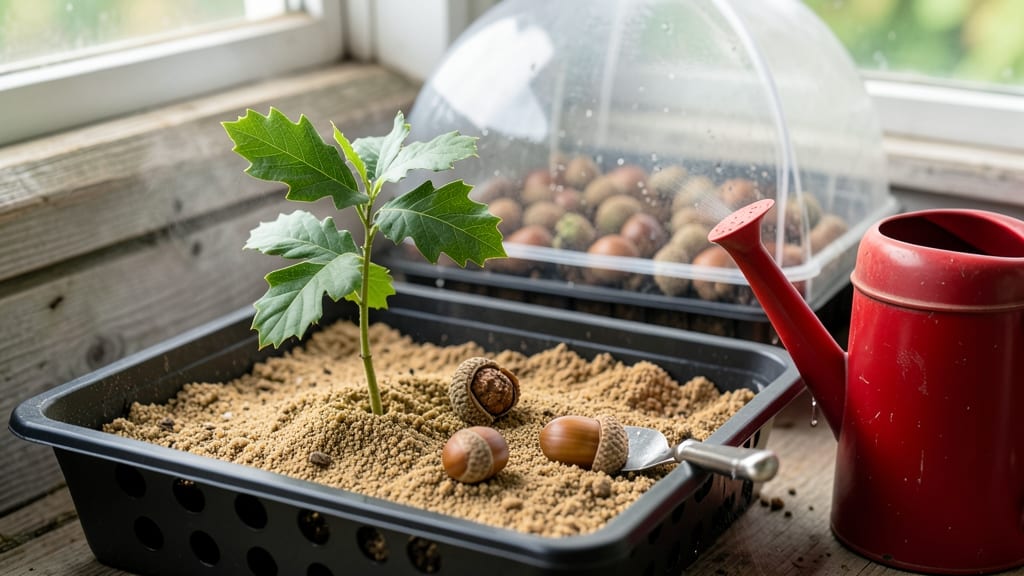
How to grow oak from seed is a lesson in patience—like watching a single seed become a cathedral of shade. 🌱 The first green shoot can take months to appear, but that stubborn little sprout will one day become a towering shade provider for generations. I’ve started dozens—some thrived, others gave up—but the ones that made it now cast 50-foot shadows across my yard, their roots weaving deep into the earth.
The secret lies in mimicking nature’s timing: acorns need a 60-90 day cold period to break dormancy, just like their wild counterparts. You’ll need patience, a damp paper towel, and a refrigerator to trick them into thinking winter’s arrived.
Most gardeners quit here—don’t be one of them. The payoff? A tree that outlives you, feeds wildlife, and turns your property into a mini-forest.
By year three, you’ll have a 3-foot sapling with real character—twisted branches, bark already forming. Oak seedlings grow slow but strong, resisting pests and drought better than any nursery tree.
The real magic happens decades later, when your grandkids climb its branches or ducks nest in its hollows. This isn’t gardening; it’s legacy-building.
Fair warning: acorns from grocery stores won’t work—you need fresh, healthy ones from mature oaks. And yes, some years the germination rate will disappoint. But when that first true leaf unfurls after months of waiting?
That’s the moment you’ll understand why this ancient method still matters. Let’s get those acorns stratified.
📚 In This Guide
- What you need
- Instructions
- Tips and common mistakes
- Wrapping up and next steps
What you need
- ● Fresh oak acorns (at least 10–20 for better success rates; collect from mature, healthy trees in fall).
- ● Well-draining potting mix (a blend of 50% peat moss or coconut coir, 30% perlite or vermiculite, and 20% sand—sterilized if possible). 1–2 gallons per seedling tray.
- ● Seed trays or small pots (with drainage holes; 2–3 inch deep, 4–6 per tray for spacing).
- ● Plastic wrap or humidity dome (to retain moisture during germination).
- ● Spray bottle (for gentle watering—avoid soaking).
- ● Label tags & marker (to track planting dates and varieties).
- ● Stratification setup (refrigerator or cold frame for 60–90 days of chilling).
- ● Heat mat (to maintain 70–75°F soil temps during germination).
- ● Grow lights or sunny windowsill (12+ hours of light daily for seedlings).
- ● Fertilizer (balanced 10-10-10 or slow-release oak-specific formula, diluted to half-strength).
- ● Pruning shears (for trimming leggy seedlings later).
- ● Outdoor transplanting supplies (burlap sacks, stakes, and mulch for eventual outdoor planting).
Step-by-step instructions for growing oak trees from acorns
Here’s how to turn acorns into towering oaks—just give them time and the right conditions.
🌱 Step 1: Collect and Stratify Acorns for Germination
Gather fresh acorns in fall from mature oaks, like white or red oak varieties. Store them in a moist mix of sphagnum peat moss or sand in a sealed container at 35-40°F for 90-120 days—this mimics winter’s cold spell. Without stratification, acorns may never sprout. Check periodically to keep the mix damp but not soggy.
Real talk: If you skip stratification, you’ll waste months waiting for germination that might never come. The cold break breaks dormancy, so patience here pays off later. Label your container with the date to track the timeline accurately.
💧 Step 2: Plant Stratified Acorns in a Germination Mix
Fill a shallow tray with sterile seed-starting mix and plant acorns 1 inch deep, spacing them 3-4 inches apart. Water gently until the soil is evenly moist—no puddles. Place the tray in a warm, bright spot (65-75°F) with indirect light. Germination can take 4-12 weeks, so don’t rush it.
You’ll know it’s working when tiny white roots emerge first, followed by the sprout. Keep the soil consistently moist but never waterlogged—oaks hate soggy roots. A humidity dome helps maintain moisture without drowning the seeds.
☀️ Step 3: Transplant Seedlings to Individual Pots
Once seedlings reach 4-6 inches tall (usually after 3-6 months), carefully transplant them into 4-inch pots with fresh potting mix. Handle the roots gently—oaks are sensitive to disturbance. Place pots in full sun (6+ hours daily) and water deeply when the top inch of soil feels dry.
Here’s the thing—oaks grow slowly, so don’t expect rapid progress. Leggy seedlings mean too little light, while yellow leaves signal overwatering. Adjust care based on what you see: strong stems, deep green leaves, and steady growth mean you’re on track.
🪴 Step 4: Gradually Acclimate Seedlings to Outdoor Conditions
After 1 year, when seedlings are 1-2 feet tall, move them outside to a sheltered, sunny spot for 2-3 hours daily, increasing time over 2 weeks. This hardening-off process prepares them for permanent outdoor planting. Choose a location with well-draining soil and full sun—oaks thrive where they get plenty of light.
Don’t rush this step. Sudden exposure to wind or harsh sun can shock young oaks. Watch for wilting or leaf scorch—signs they’re not ready. Once they handle outdoor conditions without stress, plant them in their final spot in early spring or fall.
Tips & tricks for growing oak trees from acorns
Growing oaks from acorns takes time, but these insights will help you avoid common pitfalls and maximize success.
Timing is Everything: The 90-120 day stratification period at 35-40°F is non-negotiable for breaking dormancy. I learned this the hard way after trying to rush germination—acorns need that cold period to mimic winter conditions. If your home isn't naturally this cool, consider using a refrigerator's crisper drawer. Place a thermometer in the mix to monitor temperature consistently.
Acorn Selection Matters: Not all acorns are created equal. Look for plump, heavy acorns with intact caps—these are the healthiest candidates. Avoid shriveled or worm-eaten specimens, as they won't germinate well. When collecting, gather from mature trees (at least 20 years old) for the best genetic potential. Freshness is key: use acorns within a week of collection for optimal results.
Germination Environment: The 65-75°F warm spot with indirect light is crucial after stratification. A sunny windowsill works well, but avoid direct midday sun which can overheat the tray. I place mine on a table near a south-facing window. If you notice condensation forming on the humidity dome, it's a good sign—just remove the dome once sprouts appear to prevent mold. Watch for those first white roots as your signal that germination is underway.
Transplanting Wisdom: When moving seedlings to 4-inch pots at 4-6 inches tall, handle the roots like you would a fragile treasure. Oak roots are sensitive to damage, which can stunt growth. Use a small trowel to loosen the soil around the roots before gently transferring them. After transplanting, give them a week to adjust before increasing sunlight exposure. This gradual transition mimics natural conditions and reduces shock.
Pro Tips for Grow Oak From Seed
- Growing oaks from acorns takes time, but these insights will help you avoid common pitfalls and maximize success.
- Timing is Everything: The 90-120 day stratification period at 35-40°F is non-negotiable for breaking dormancy.
- Acorn Selection Matters: Not all acorns are created equal.
Frequently asked questions
Got questions?
Growing oak trees from seed is rewarding but comes with its own set of challenges. Here are some of the most common queries—and their answers—to help you navigate the process with confidence.
How long does it take for an oak seed to germinate?
Oak seeds are notorious for their long germination period. Most take 3 to 6 months, though some may wait up to a year or longer! Stratification (the cold treatment) helps speed this up, but patience is key—think of it as nature’s way of ensuring only the toughest seedlings survive.
Can I skip the stratification step?
While possible, skipping stratification is risky. Cold stratification mimics winter conditions, breaking the seed’s dormancy. Without it, germination rates drop dramatically, and seeds may rot. If you’re short on time, try sandpaper scarification (lightly sanding the seed coat) as an alternative, but combine it with a warm-moist environment for best results.
How do I know if my oak seed is viable?
Viability can be tricky, but here’s how to test: Fill a glass with water, add your seeds, and wait 24 hours. Sinkers are likely viable (oaks have heavy seeds), while floaters are probably dead. For extra peace of mind, cut open a few seeds—look for a plump, white embryo inside. If it’s shriveled or dark, it’s time to source new seeds.
Should I grow oak seeds indoors or outdoors?
Start indoors in seed trays or small pots under grow lights (oaks need light to germinate). Once seedlings sprout true leaves (not the first tiny ones), transplant them outdoors in late spring after the last frost. Young oaks are delicate—avoid direct sunlight until they’re established.
Why are my oak seedlings dying?
Common culprits include overwatering (oaks hate soggy soil), pests (like slugs or aphids), or transplant shock. Ensure well-draining soil, monitor for pests, and harden off seedlings gradually before moving them outside. If leaves yellow or wilt, check for root rot—adjust watering habits immediately.
How tall can I expect my oak tree to grow from seed?
Oaks are long-term investments! Red oaks can reach 65–75 feet, while white oaks may grow 70–100 feet at maturity. From seed, expect 1–2 feet per year in ideal conditions. Plan ahead—these giants need space, and their full potential takes decades to unfold.
Wrapping up and next steps
Growing an oak tree from seed is a rewarding journey that blends patience with the joy of nurturing life from the ground up. While it takes years to see your tiny acorn transform into a towering giant, every step—from stratification to transplanting—builds a deeper connection to nature. 🌱
Now that you’re armed with the know-how, start small—whether it’s planting a single acorn or sharing tips with fellow green thumbs. Who knows? Your oak could one day stand as a legacy for generations to come. Happy growing! 🌳